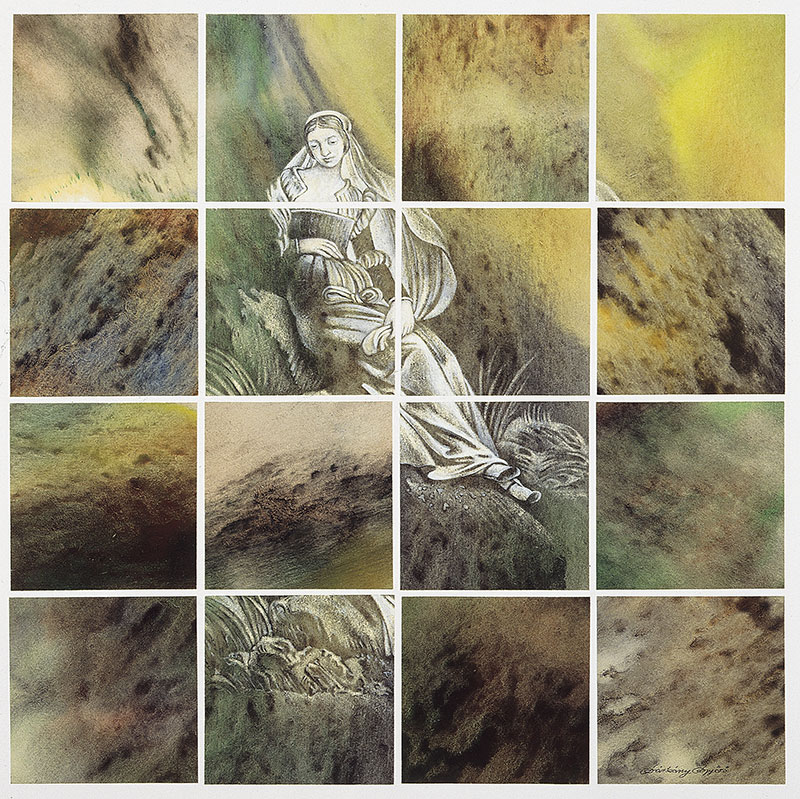
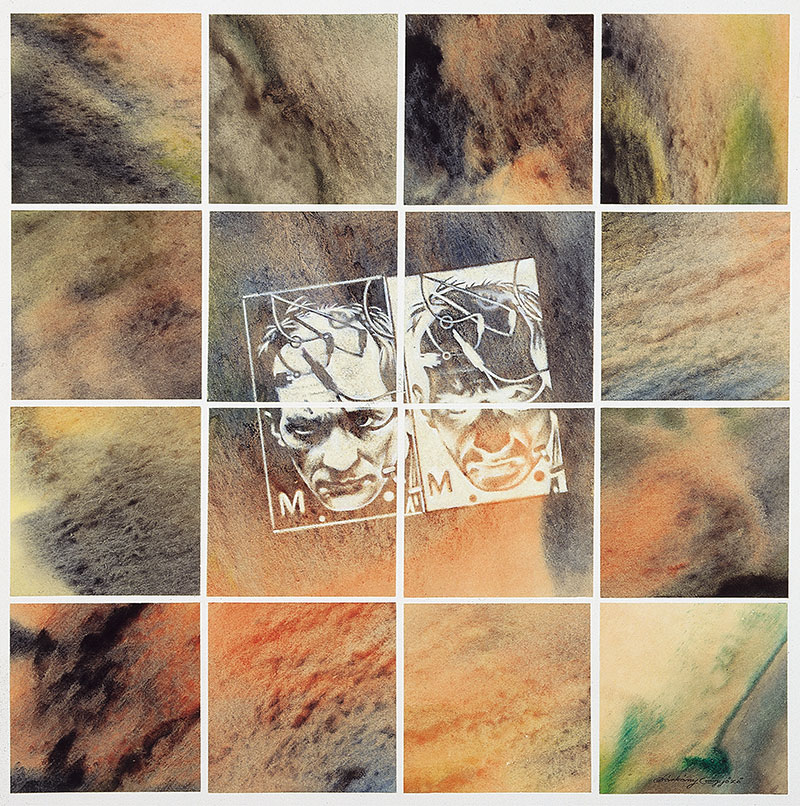
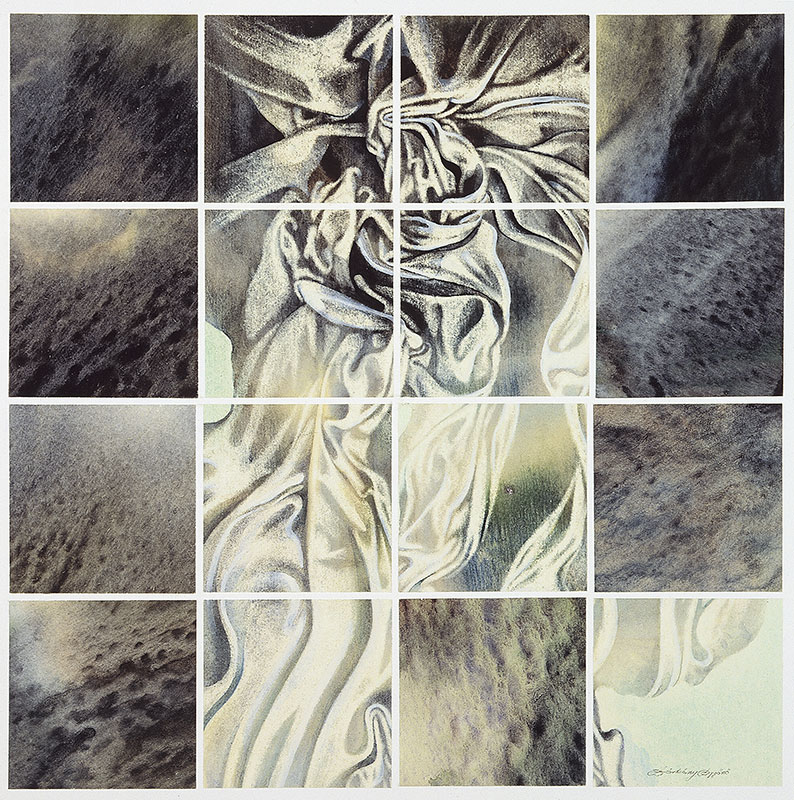
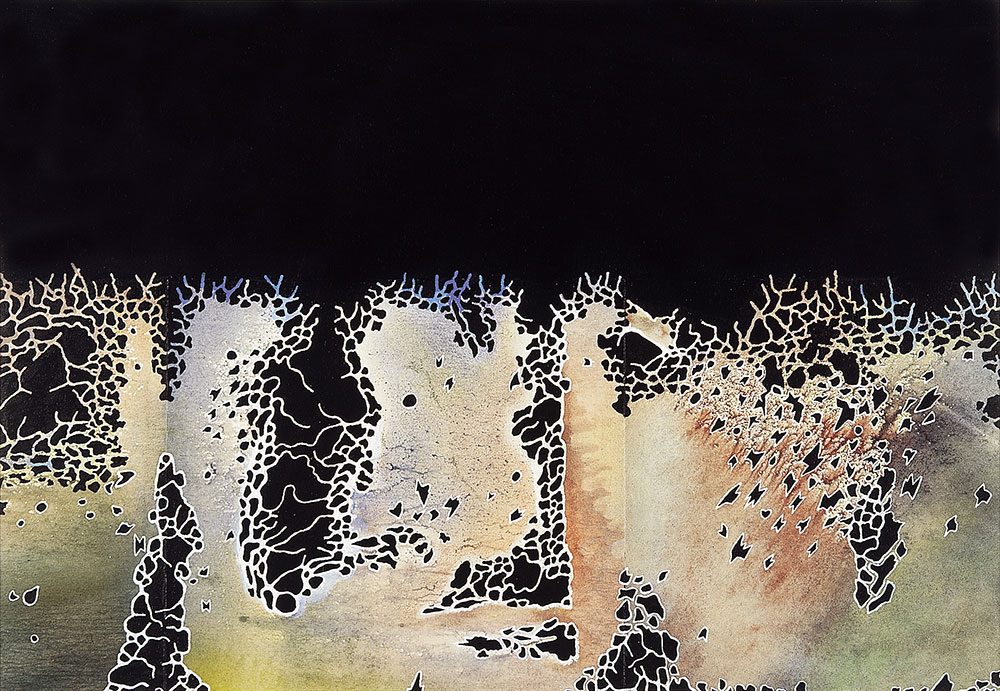
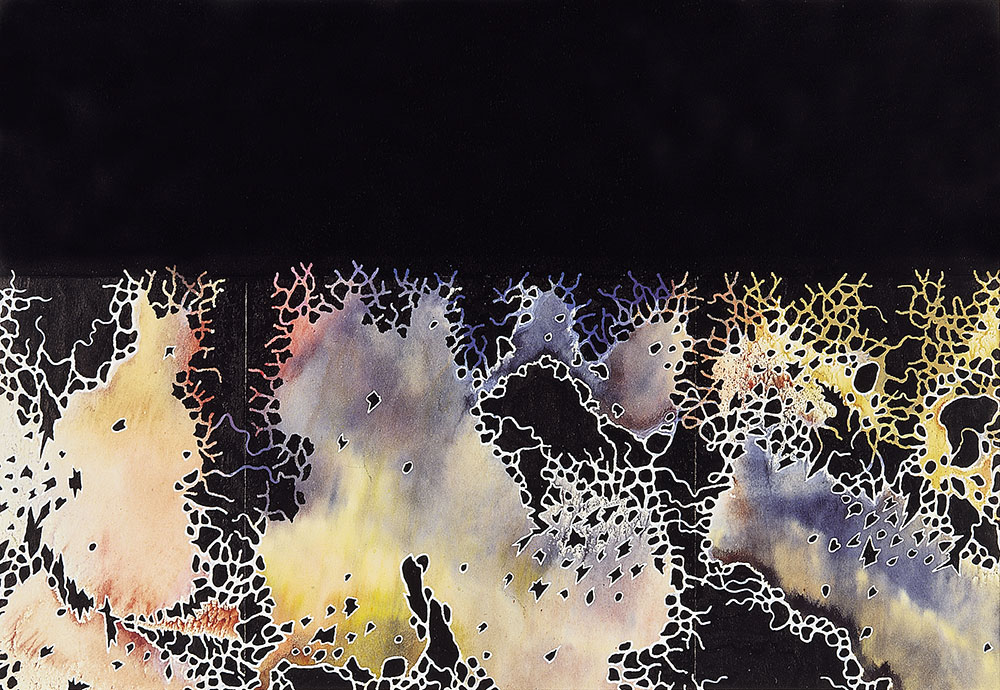
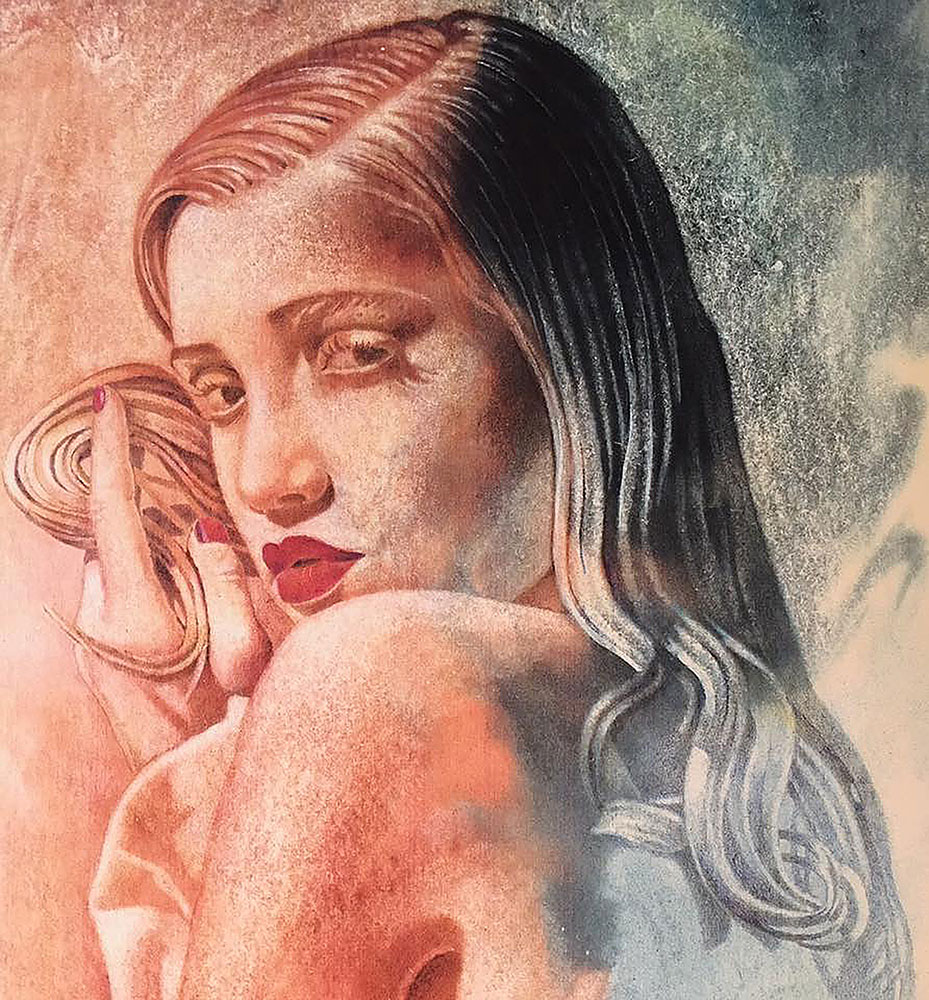
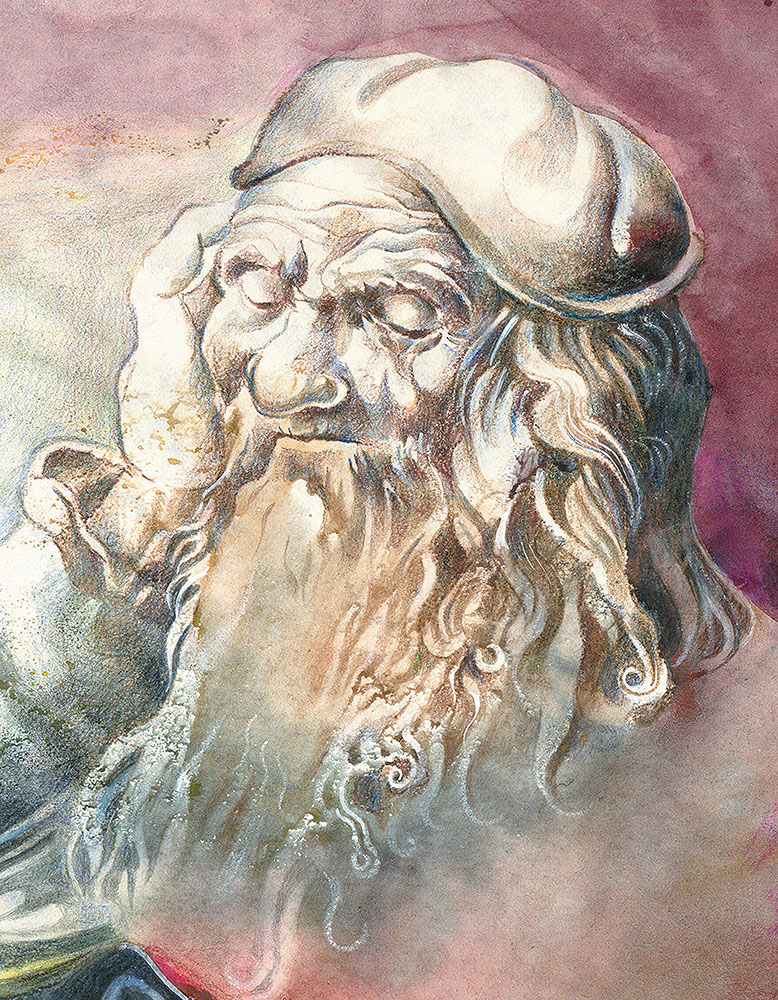
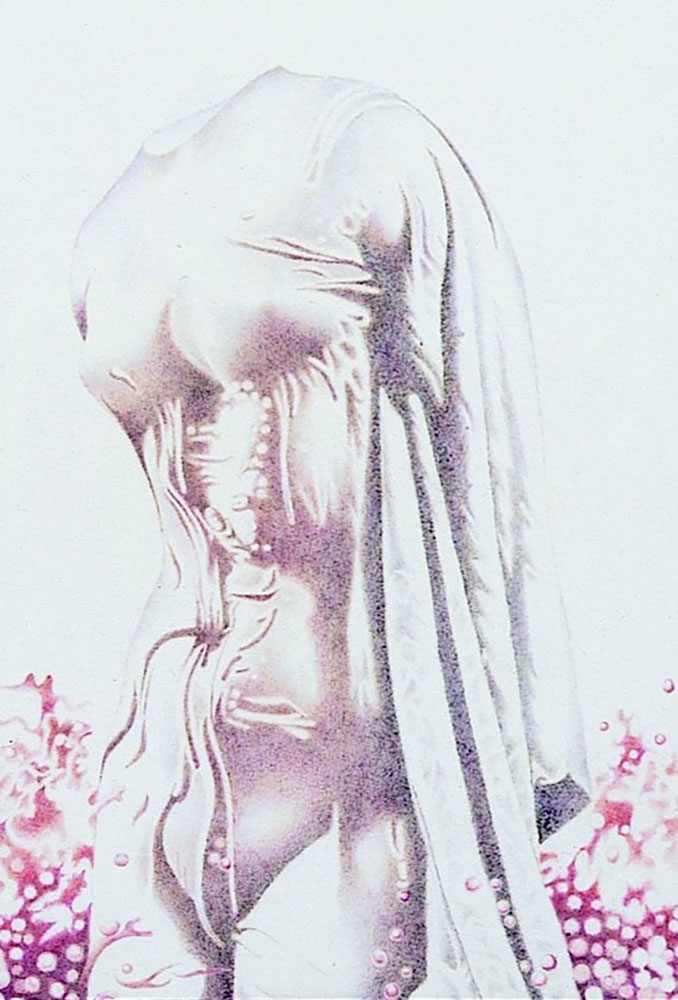
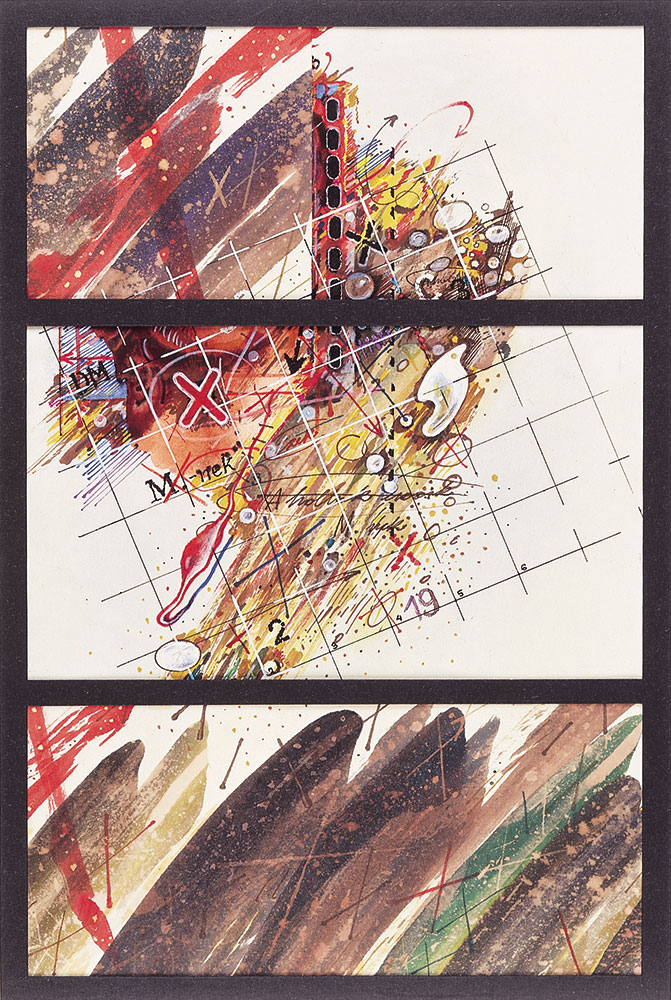
Változat I. ▪ Version No. 1, 1992
papír, vegyes technika ▪ paper, mixed media ▪ 40×40 cm
Változat II. ▪ Version No. 2, 1992
papír, vegyes technika ▪ paper, mixed media ▪ 40×40 cm
Változat III. ▪ Version No. 3, 1992
papír, vegyes technika ▪ paper, mixed media ▪ 40×40 cm
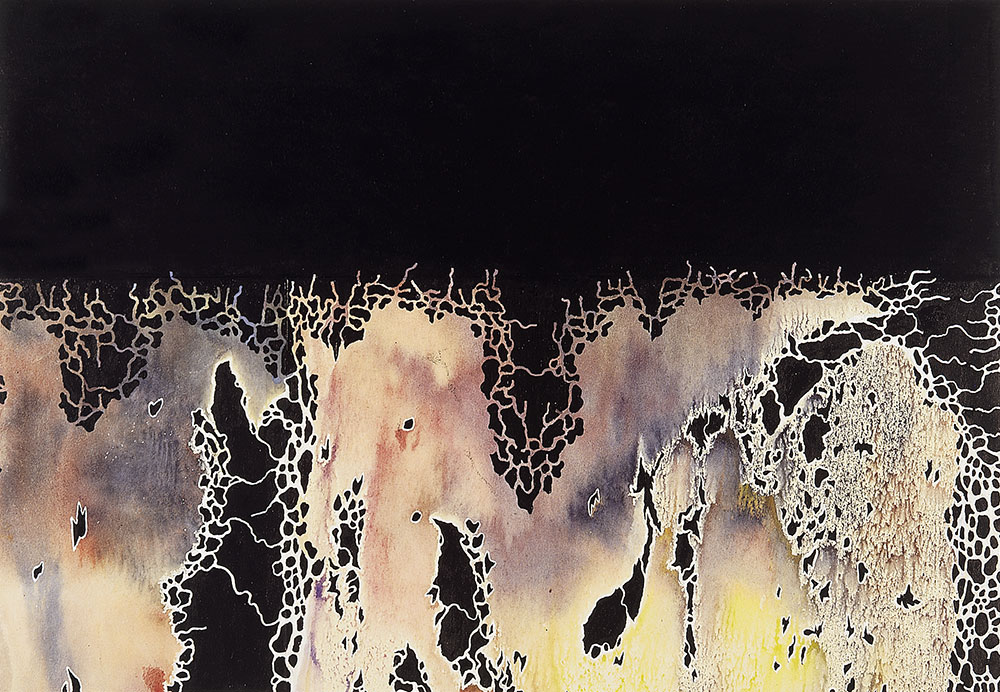
Sötét anyag születése I. ▪ The Birth of Dark Matter No. 1, 1993
papír, akvarell ▪ paper, aquarelle ▪ 21×29,5 cm
Sötét anyag születése II. ▪ The Birth of Dark Matter No. 2, 1993
papír, akvarell ▪ paper, aquarelle ▪ 21×29,5 cm
Sötét anyag születése III. ▪ The Birth of Dark Matter No. 3, 1993
papír, akvarell ▪ paper, aquarelle ▪ 21×29,5 cm
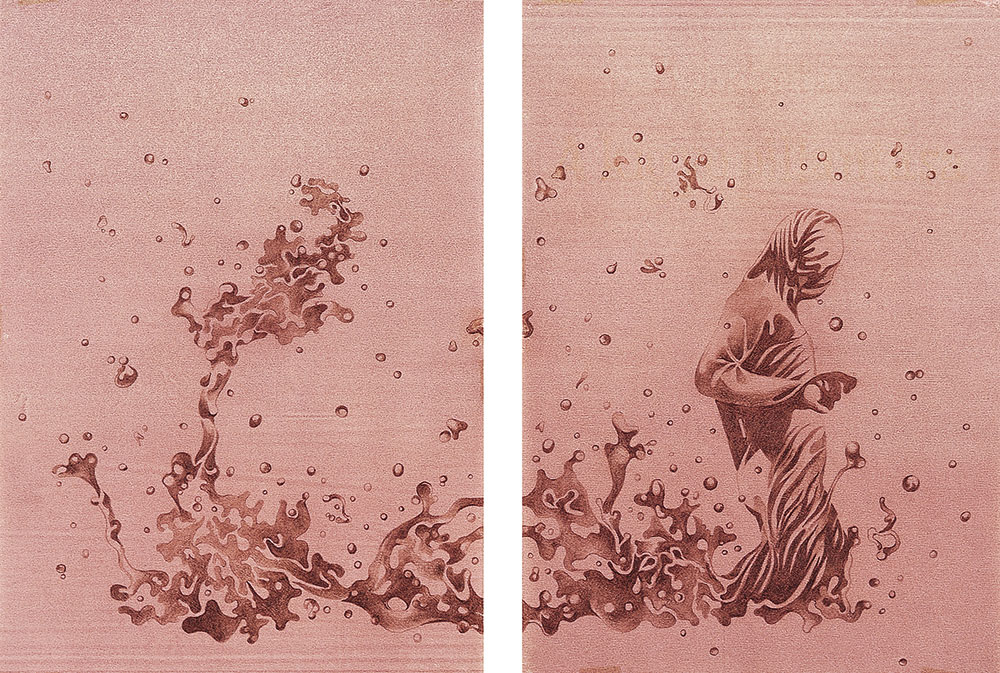
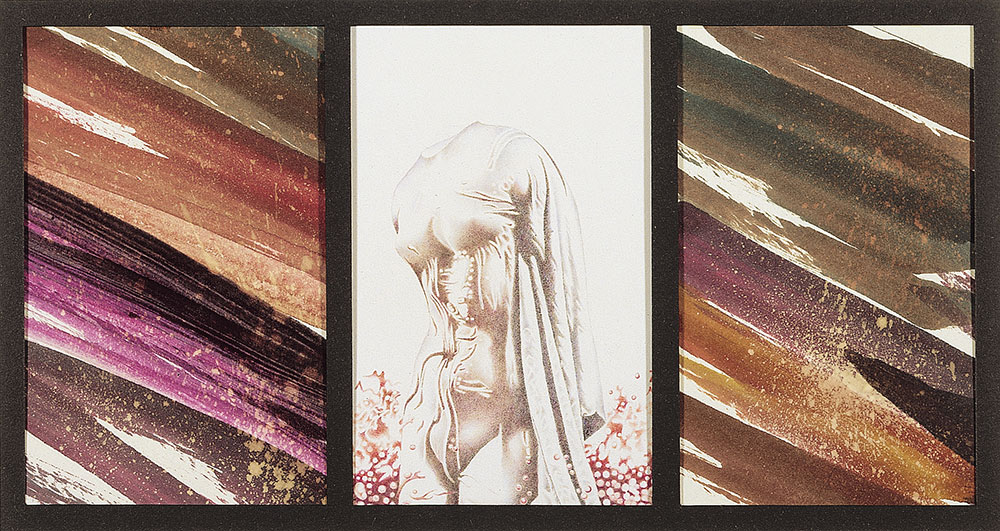
Amphitrité ▪ Amphitrite, 1993
papír, színes ceruza ▪ paper, coloured pencil ▪ 21×15 cm
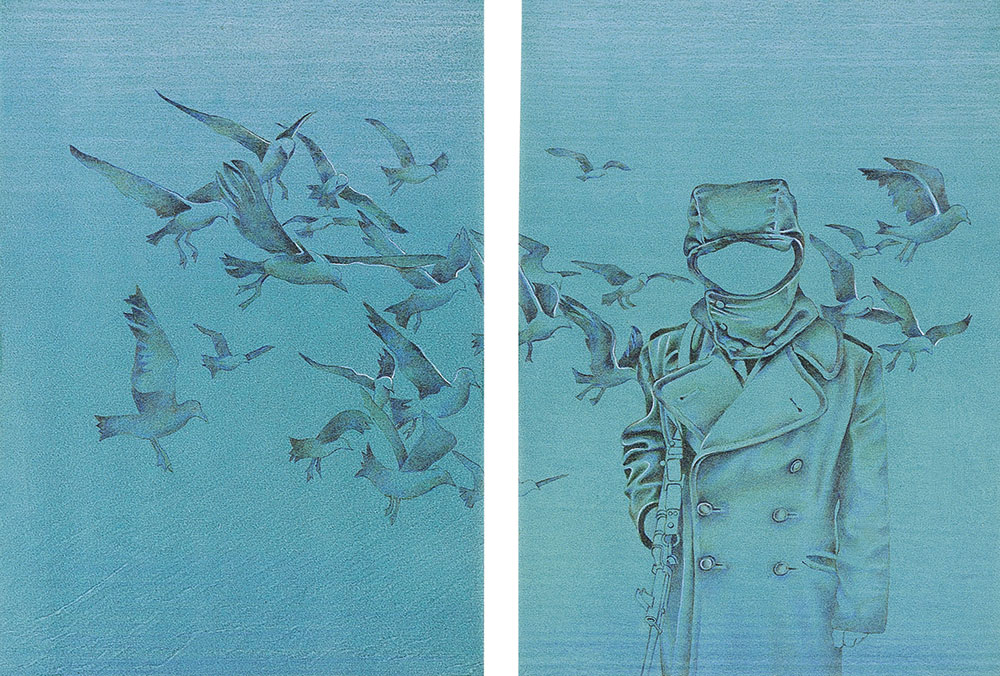
Sirályok ▪ Seagulls, 1993
papír, színes ceruza ▪ paper, coloured pencil ▪ 21×15 cm
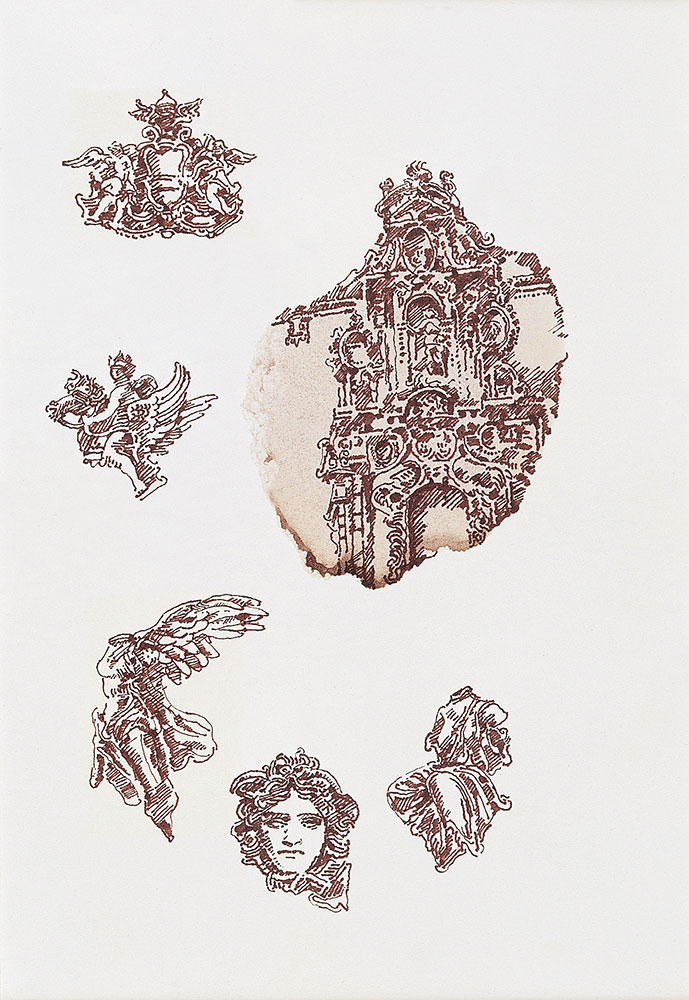
Töredékek I. ▪ Fragments No. 1, 1992
papír, akvarell, sav ▪ paper, aquarelle, acid ▪ 40×30 cm
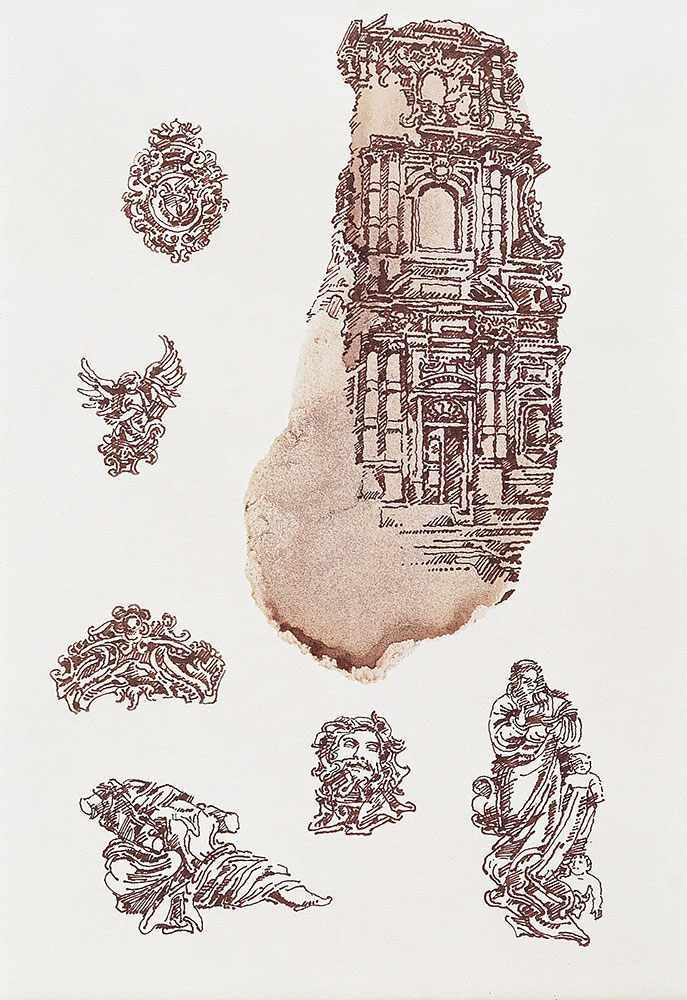
Töredékek II. ▪ Fragments No. 2, 1992
papír, akvarell, sav ▪ paper, aquarelle, acid ▪ 40×30 cm
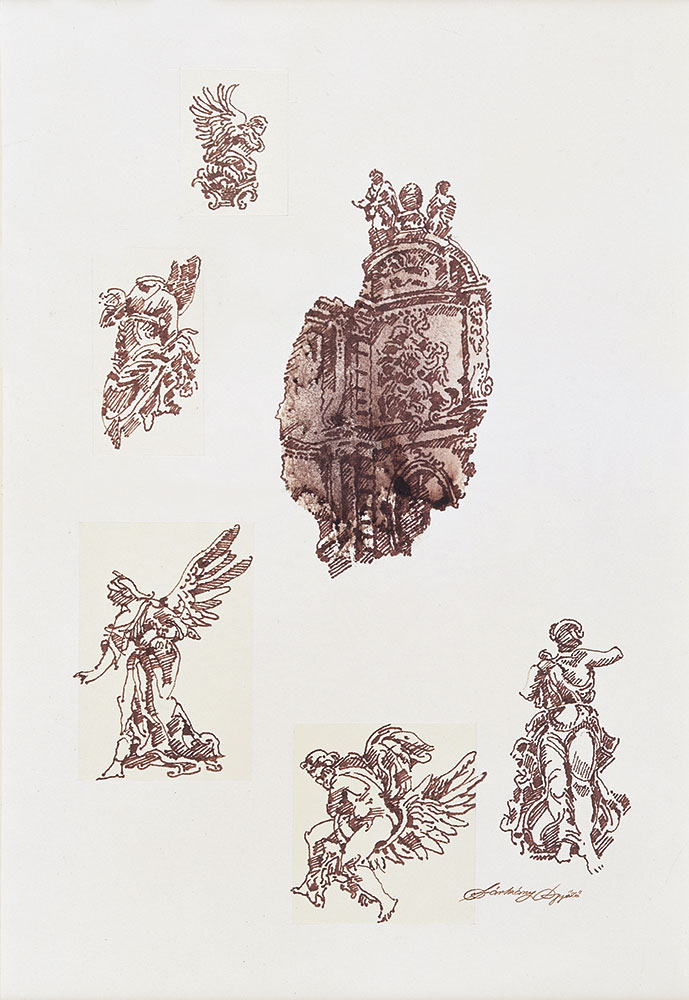
Töredékek III. ▪ Fragments No. 3, 1992
papír, akvarell, sav ▪ paper, aquarelle, acid ▪ 40×30 cm
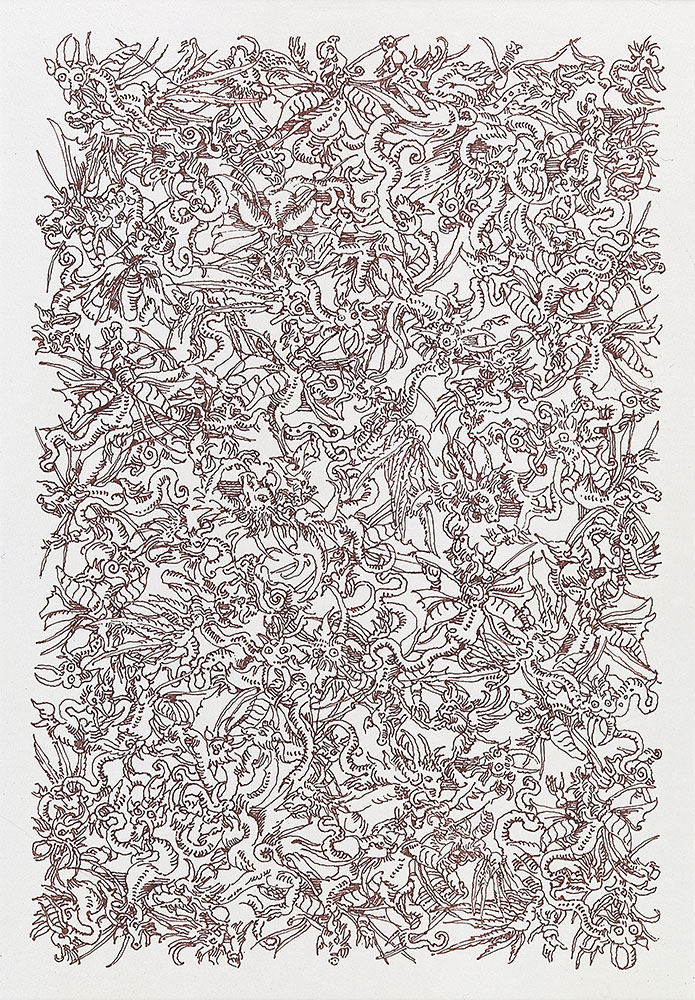
Égi sárkányok ▪ Sky Dragons, 1994
papír, sav ▪ paper, acid ▪ 35×24 cm
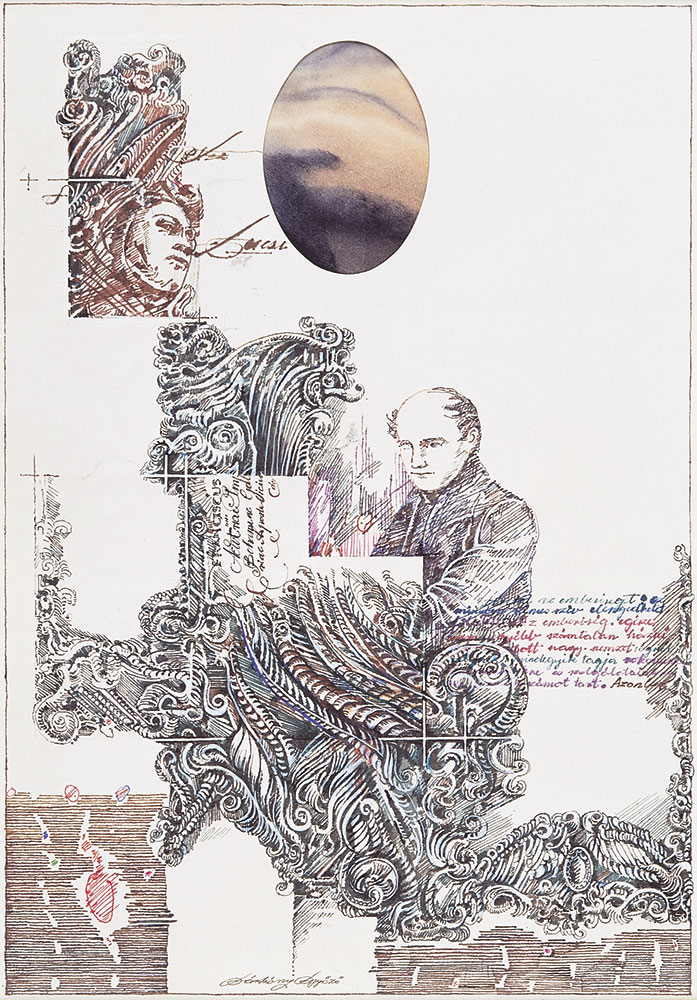
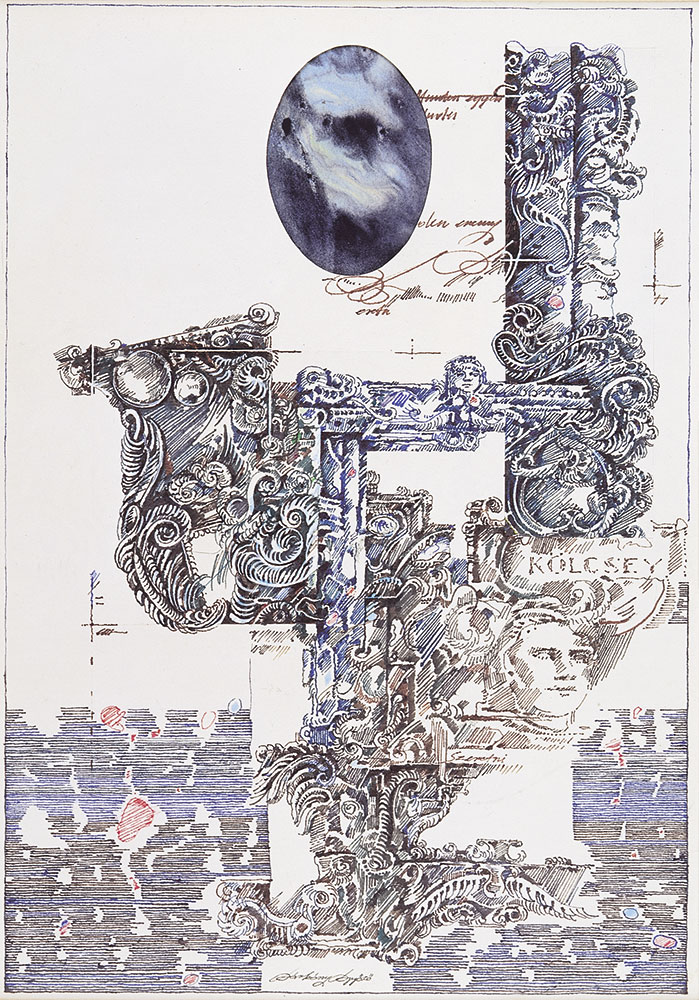
Kölcsey II. ▪ Kölcsey No. 2, 1993
papír, akvarell, sav ▪ paper, aquarelle, acid ▪ 30×21 cm
Kölcsey I. ▪ Kölcsey No. 1, 1993
papír, akvarell, sav ▪ paper, aquarelle, acid ▪ 30×21 cm
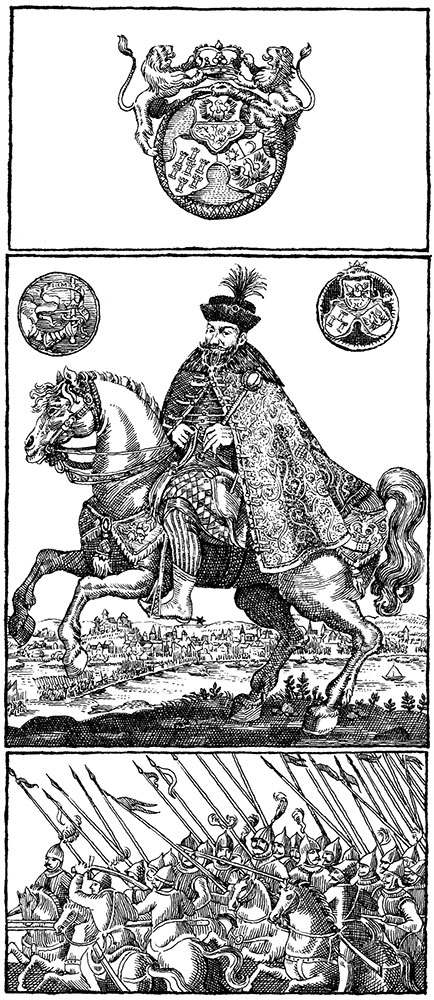
Bethlen Gábor (Erdély felvirágoztatója) ▪ Gabriel Bethlen (Flourisher of Transylvania), 1987
Pahet, 1993
papír, vegyes technika ▪ paper, mixed media ▪ 15×40 cm
A metamorfózis előszobája ▪ The Antechamber of Metamorphosis, 1993
papír, akvarell, színes ceruza ▪ paper, aquarelle, coloured pencil ▪ 29,5×21 cm
A mulandóság mámora ▪ The Rapture of Transience, 1994
papír, akvarell, színes ceruza ▪ paper, aquarelle, coloured pencil ▪ 29,5×21 cma
Pahet, 1993
papír, színes ceruza ▪ paper, coloured pencil ▪ 19,5×21 cm
Petőfi emlékére ▪ In memory of Petőfi, 1993
papír, vegyes technika ▪ paper, mixed media ▪ 40×30 cm
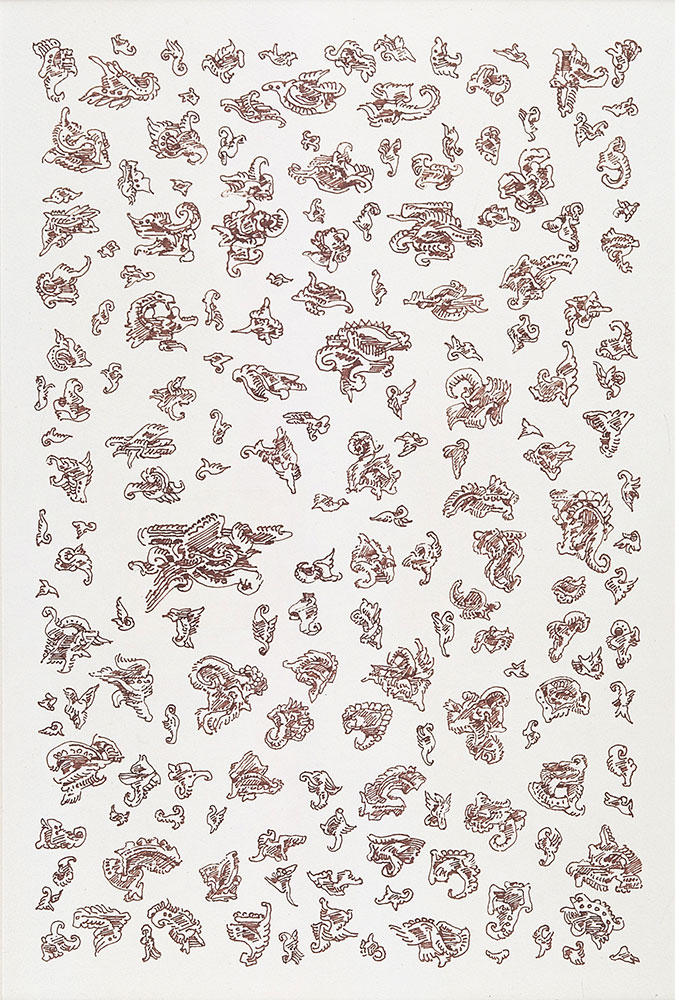
Ismétlődés I. ▪ Repetition No. 1, 1994
papír, sav ▪ paper, acid ▪ 35×24 cm
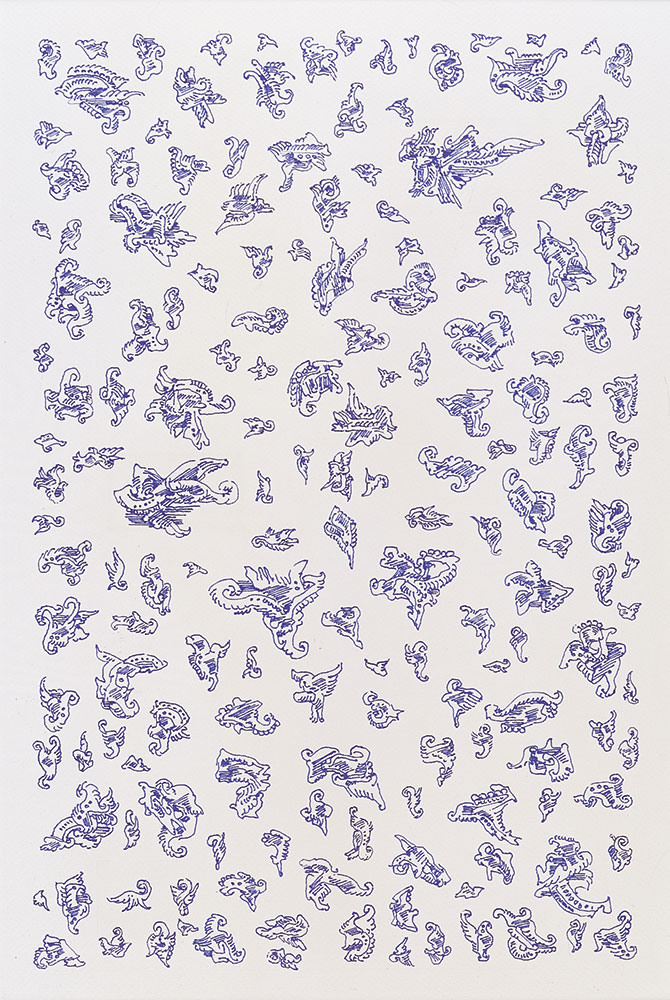
Ismétlődés II. ▪ Repetition No. 2, 1994
papír, sav ▪ paper, acid ▪ 35×24 cm
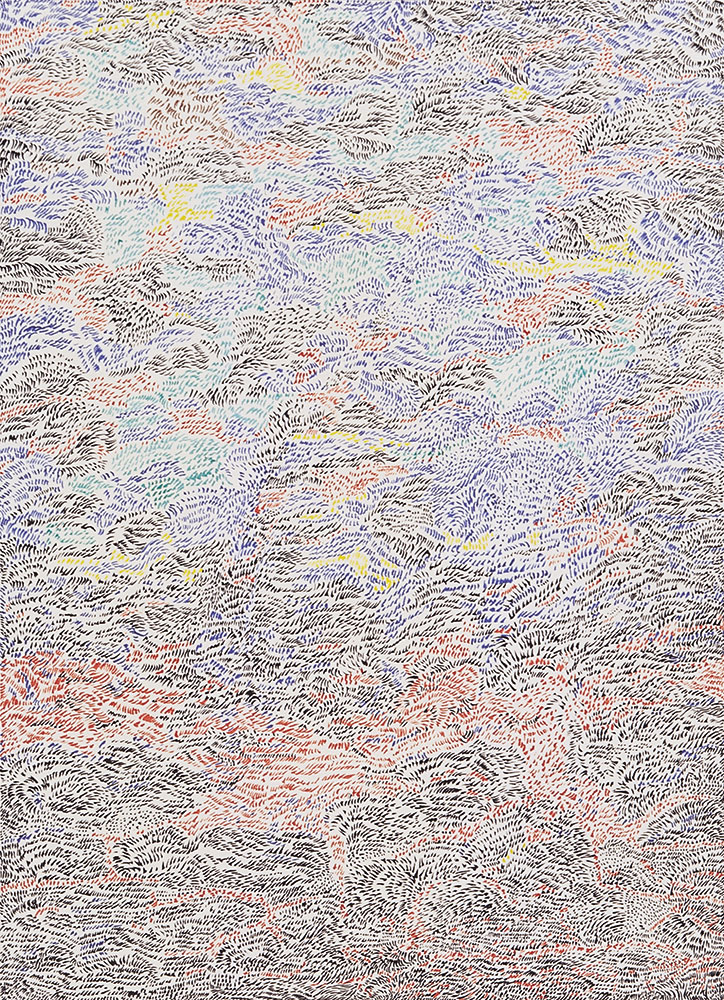
Színes felület I. ▪ Coloured Surface No. 1, 1984
papír, akvarell ▪ paper, aquarelle ▪ 40×30 cm
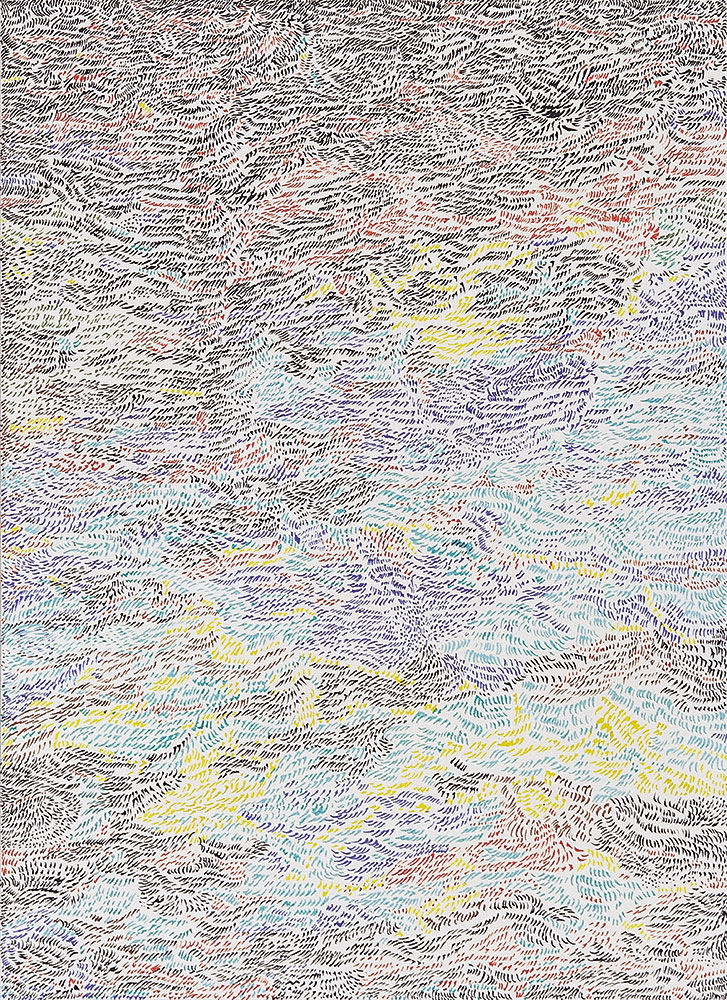
Színes felület II. ▪ Coloured Surface No. 2, 1984
papír, akvarell ▪ paper, aquarelle ▪ 40×30 cm