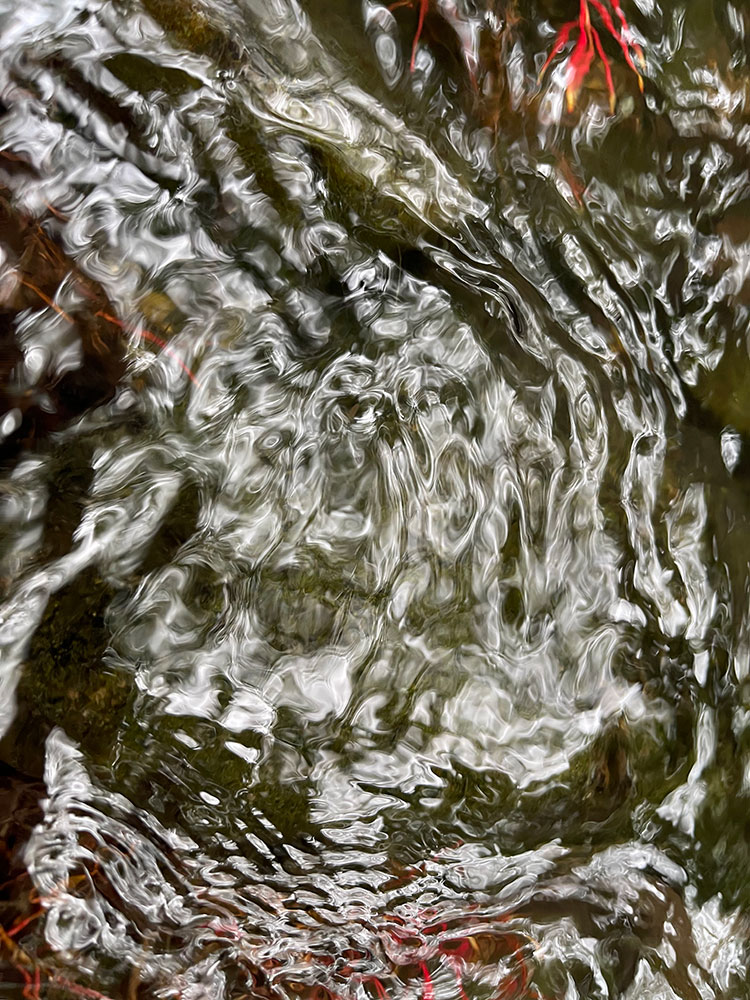
The infinite richness of the universe, the extraordinary phenomena of nature that seem involuntary, the logic of the forces at work behind the wonderfully interconnected system, make the artist stop and think. Győző Sárkány, a keen outdoorsman and passionate cyclist, has in recent years turned to photography with a marked interest and intensity, and has used it to produce a series of works.
Not classical nature photographs, where he would have relied on the factual photographic quality of the objective, but specific visual extracts, with which he reflects on the (ethical, historical, scientific, social, aesthetic, etc.) questions that concern him. It is as if the artist, following in the footsteps of Milán Füst, were to affirm that reality is a work of imagination.
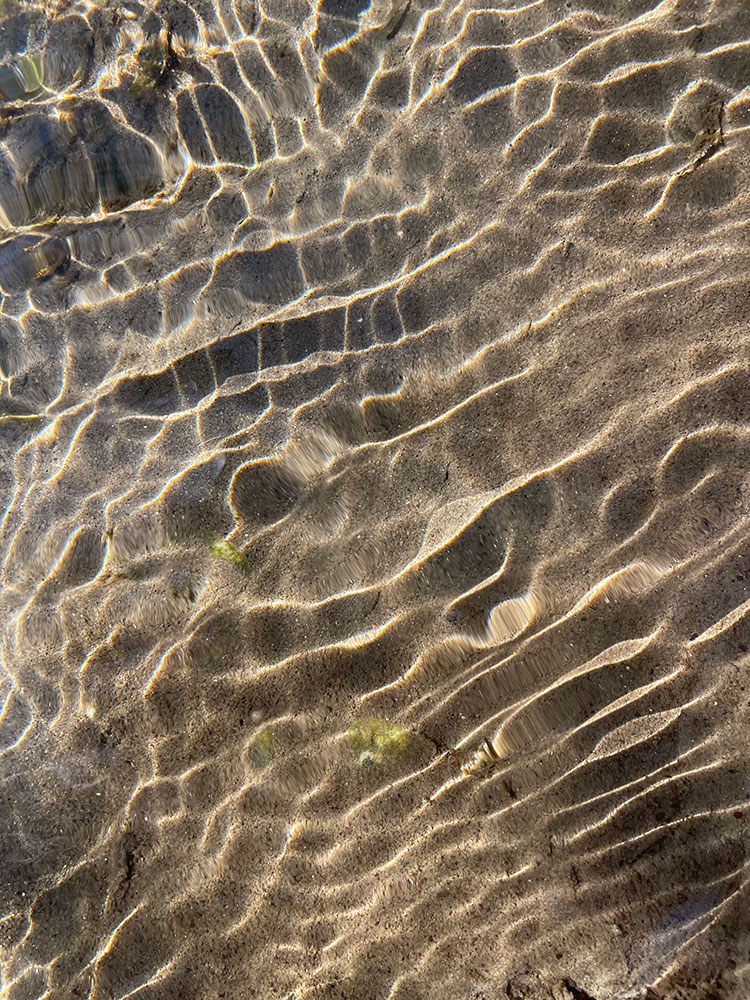
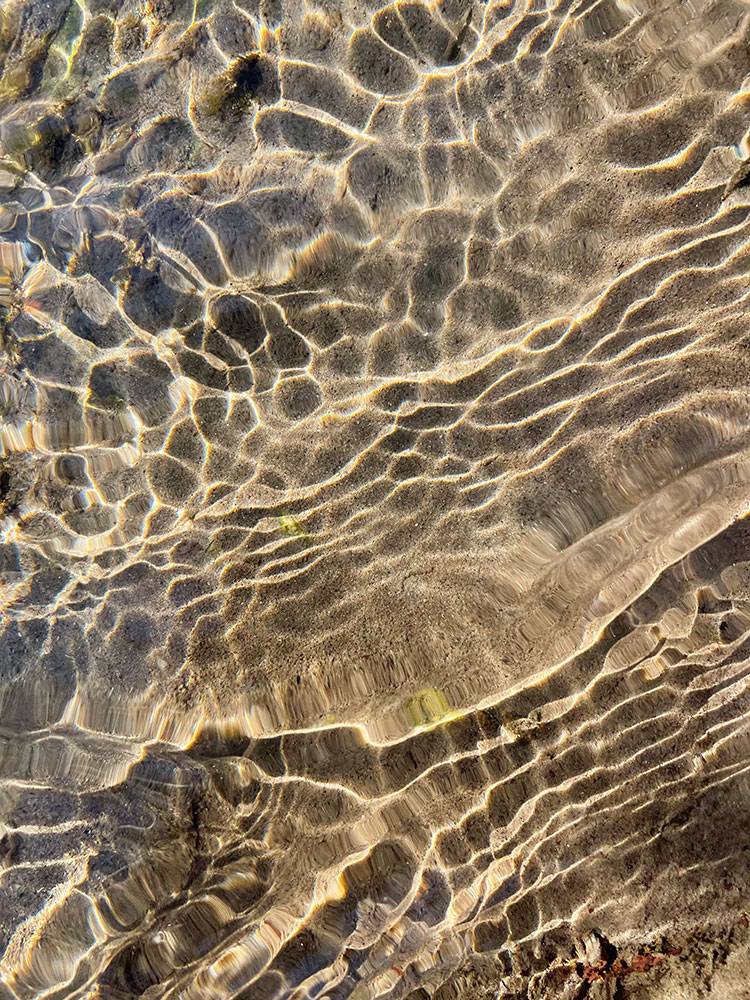
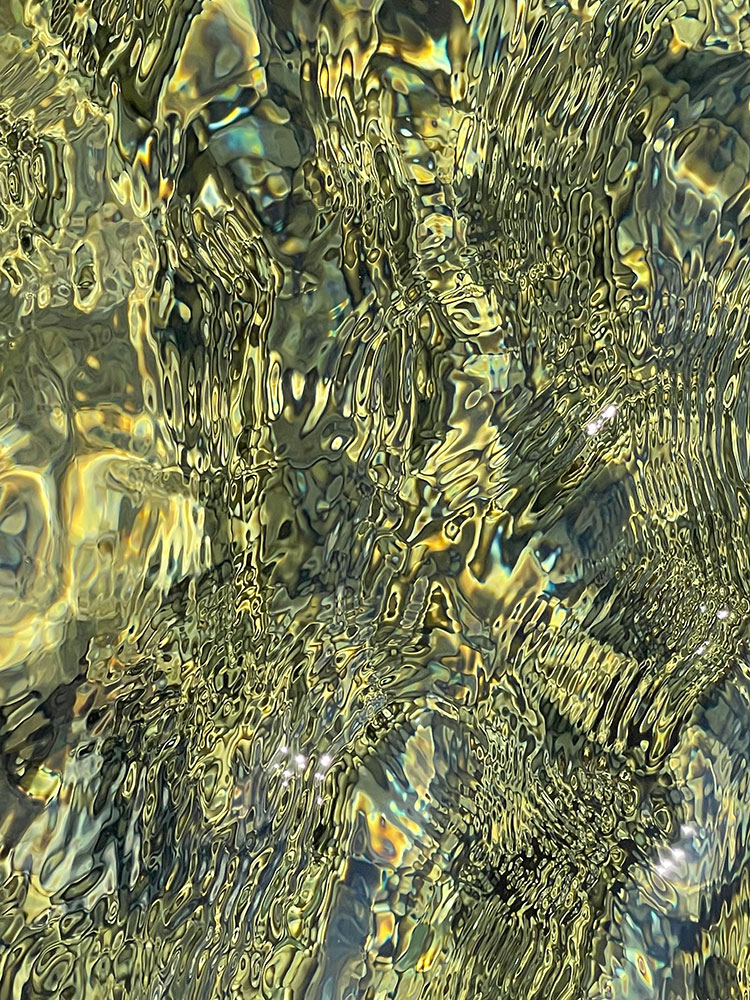
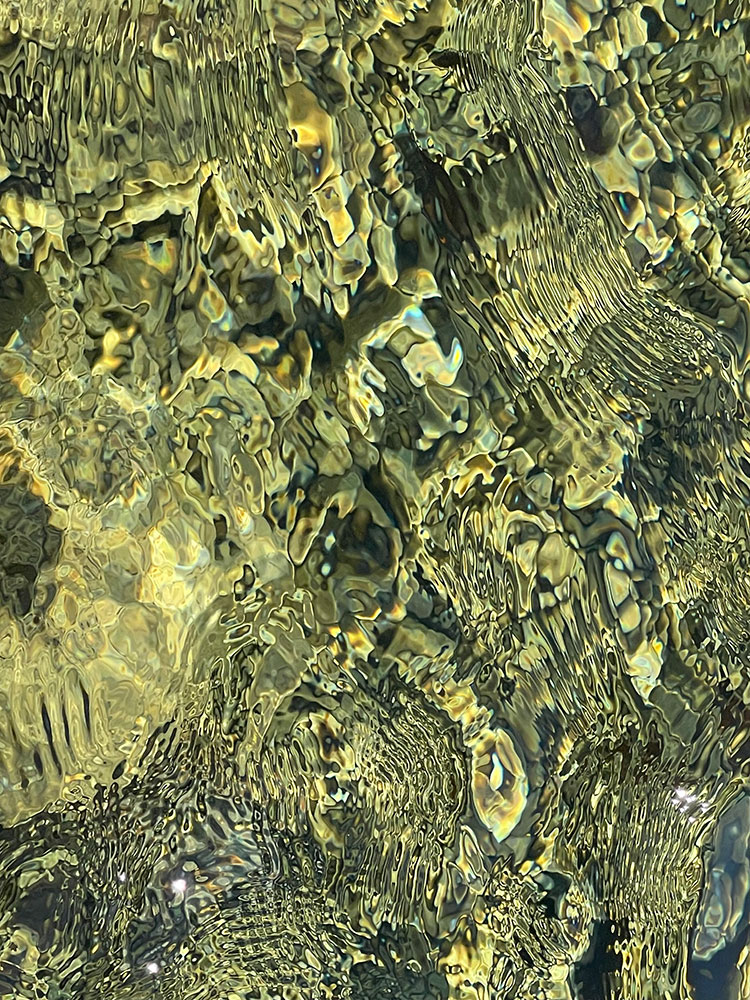
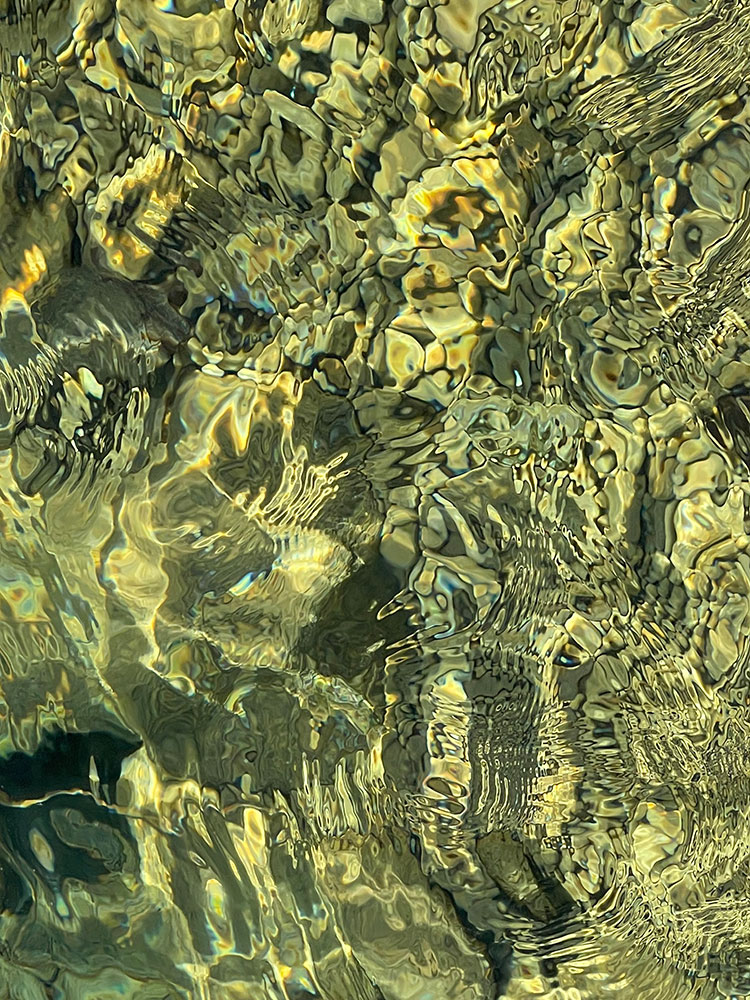
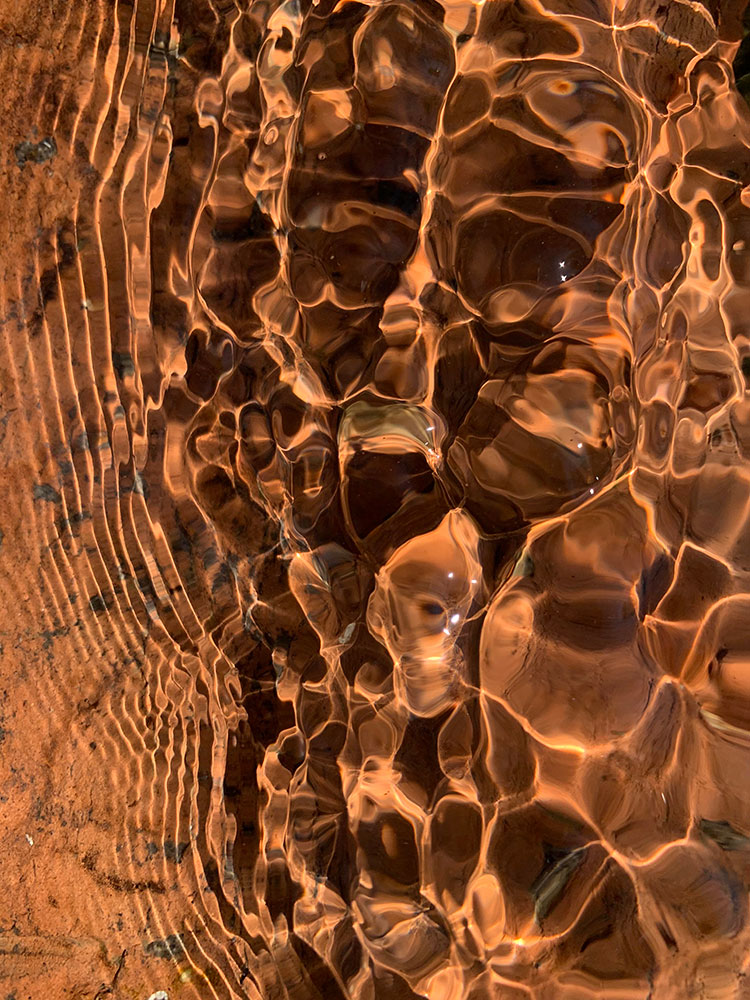
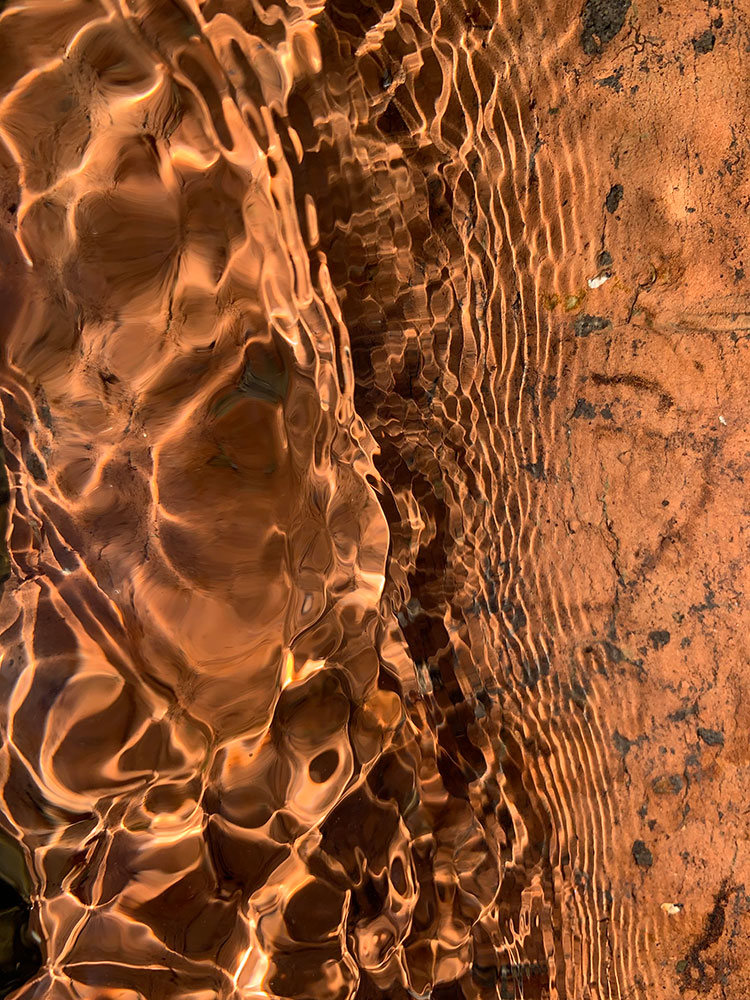
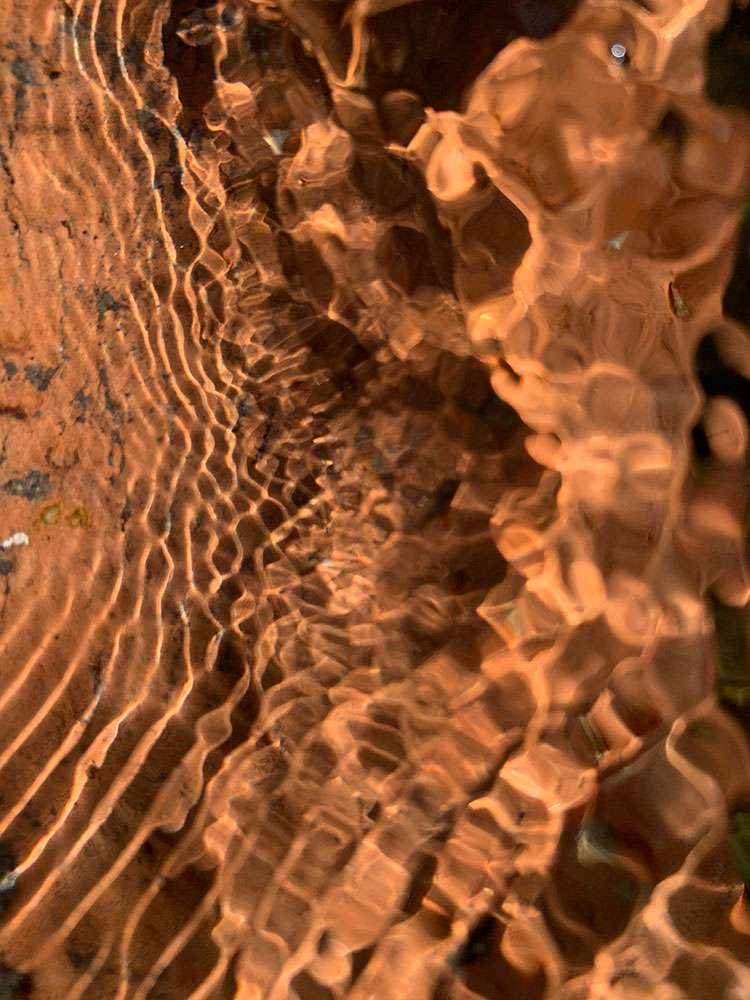
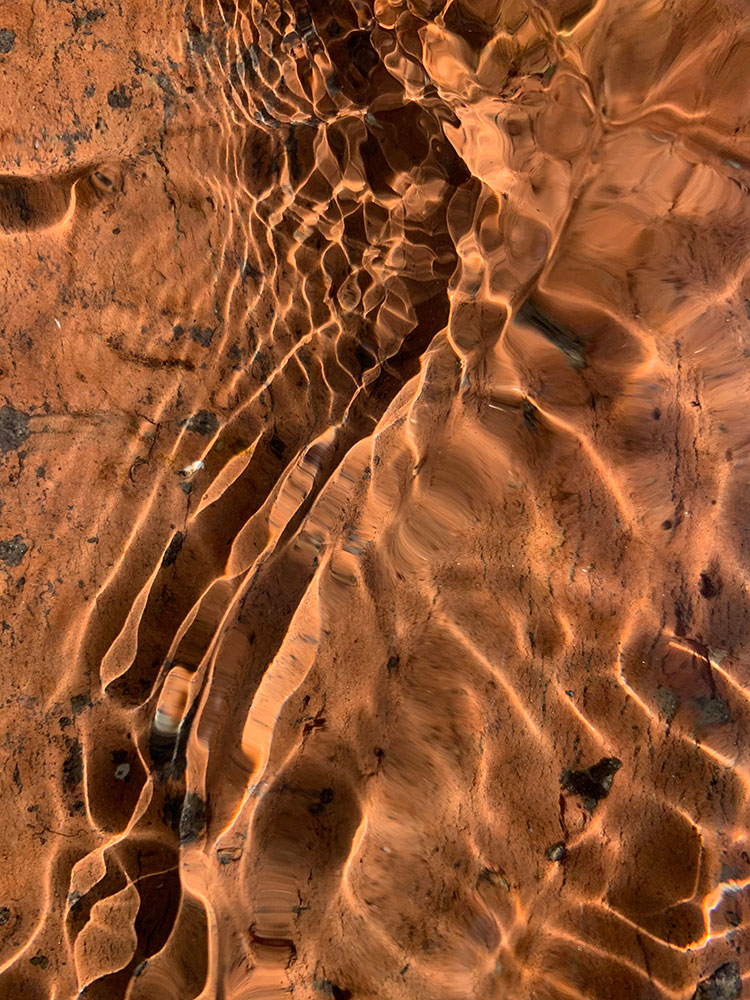
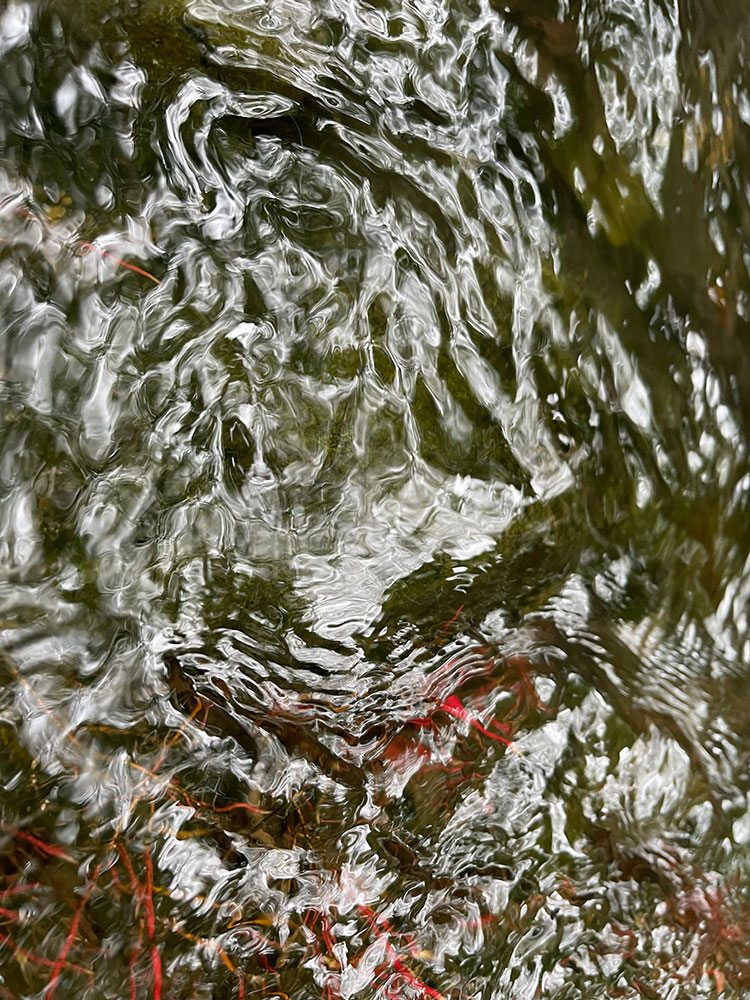
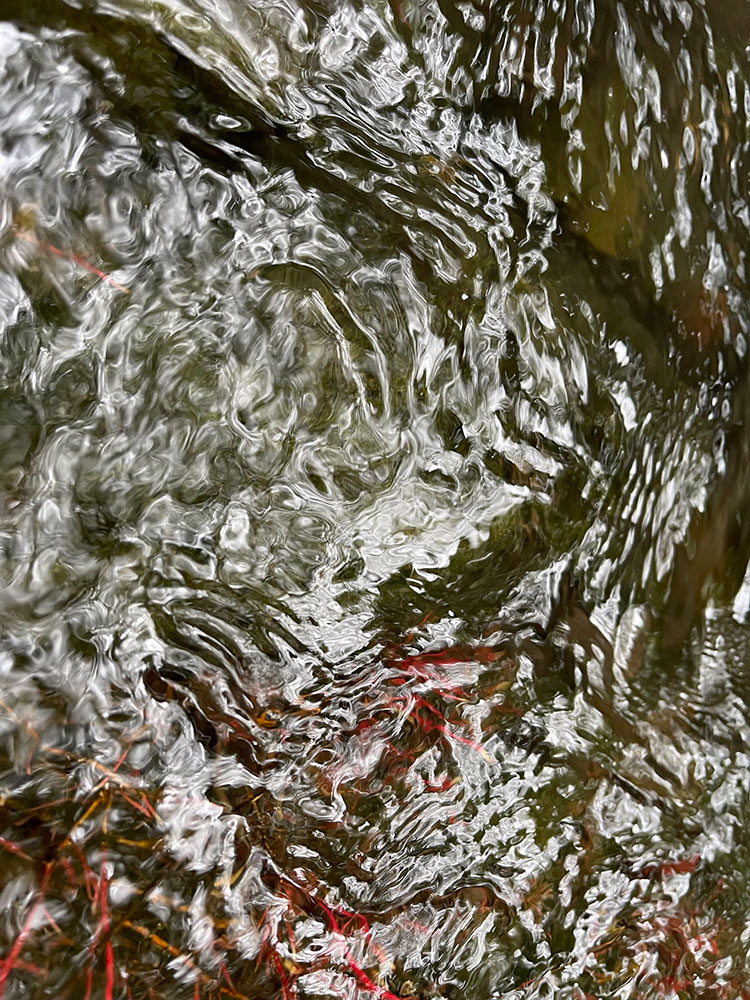
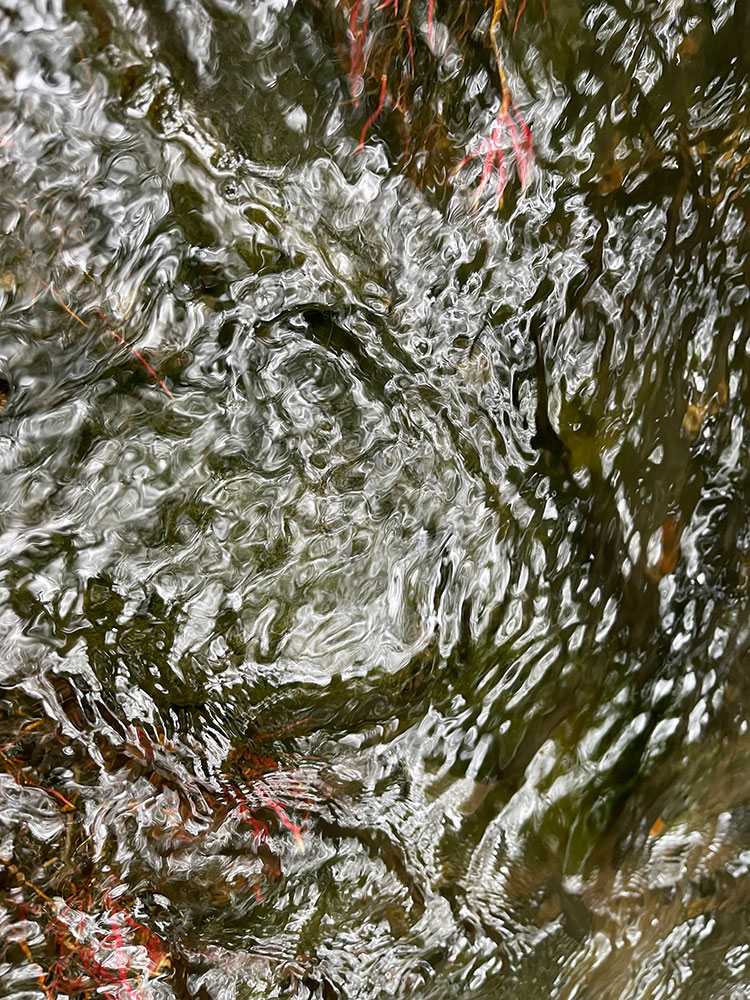
The movement and dynamics of the water surface, the involuntary play of the surface rippled by the wind, the effects that arise along the special kinetic energies in the pieces of the series, provide countless themes for him to exploit. As a result of coincidences and co-occurrences, thanks to the kinetic energy of the wind, the water ripples, gently vibrating, chattering, and clumping together like a surface almost like a crimped surface, a fantastic painterly richness of surfaces, reminiscent of molten and suddenly cooled glass masses, shimmering like semi-precious stones absorbing and reflecting light, in an orgy of amber, topaz, emerald and turquoise. The dissolution of genre boundaries is exemplified in the photographs of Mikrofakturák (“Microfacts”) and Végtelen színjáték (“The Endless Comedy”), as well as in the drawn background images of Állapot (“State”) and Apokaliptikus vízió (“Apocalyptic Vision”), where fluidity, driven by the peculiar forces, also appears in different contexts.
Through these compositions, the artist gives us a brief glimpse into the mysterious context of how ‚the clockwork of existence runs in a wise circle’. Our thoughts can glide on the waves of inscrutable resonances, leading us to the fundamental questions of existence and time.
Róbert Nátyi art historian