Paraphrases
One could say he is a late bloomer, but the situation is more about his interests being wide-ranging. He creates in several genres: he prints graphics, designs book covers, has notable illustrations and, as a book artist, he also makes book objects.
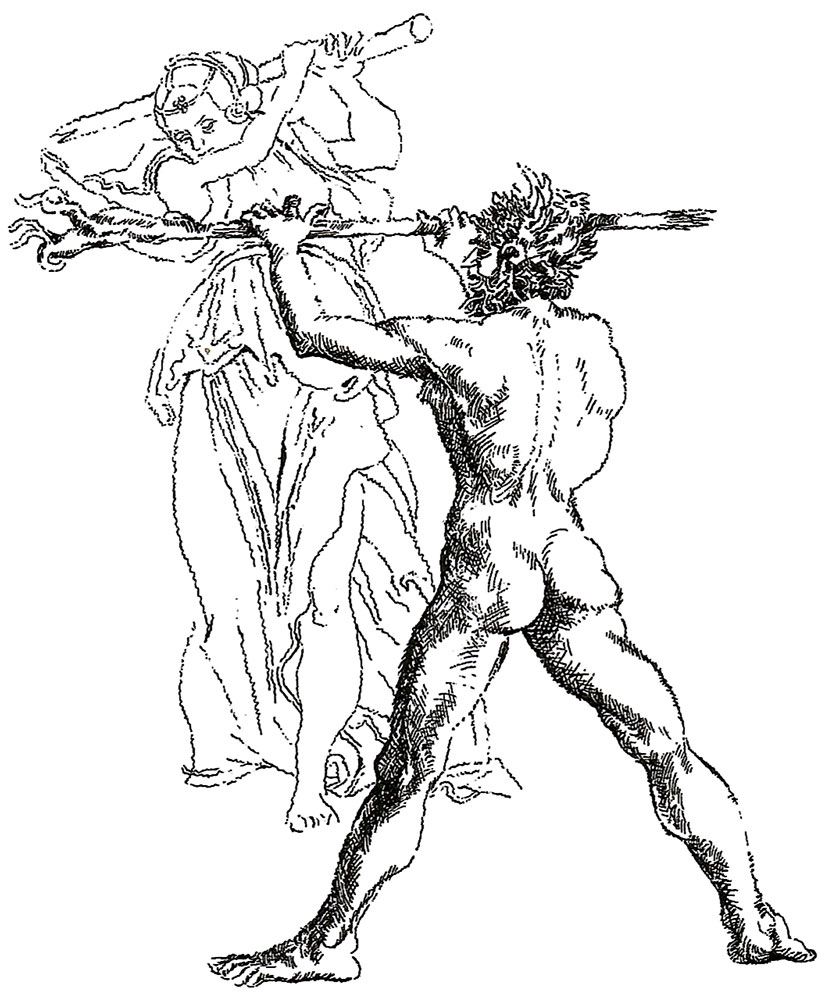
If we examine the intersections of his work, we must remember his work Parafrázis I. (“Paraphrase I”, 1982), painted at the beginning of the eighth decade, which depicts one of Raphael’s Madonnas holding the little Jesus and a tank, composed with the child Jesus almost reaching towards the tank. The meaning of the work is concrete and clear: the graphic artist fears that the values of human culture are threatened by weapons. A similar theme, a crowded pictorial space and a detailed, unemotional presentation characterises his graphic depicting destroyed armoured vehicles and tank wrecks in Tanktemető (“Tank Cemetery”, 1981). His preference for using excerpts from classic works of art had already become evident in the paraphrase series. The series of Dürer paraphrases is also based on quotations from art history, the most notable of which is a page using the great German painter’s Rhinoceros.
In his most recent graphics, xerotypes, he includes old text fragments, and sometimes even amorphous and concrete shapes. One such work is Misztrál (“Mistral”, 1994), which was created in both red and blue.
The artist’s graphics are characterised by a compositional style reminiscent of montages, by the juxtaposition and often collision of concrete and abstract forms. Győző Sárkány is a protean artist, and as he said in an interview in the Hungarian newspaper Magyar Nemzet a few years ago, he embraces this diversity – the application of various techniques as well as the use of different styles that are appropriate to the subject matter such as surrealism, pop art, hyperrealism or even historicist drawing.
We can therefore say that the openness of his interests, as well as his stylistic pluralism, proves that he is a typical millennial personality, a postmodernist.
Lajos Lóska art historian

Dürer parafrázis I. ▪ Dürer Paraphrase No. 1, 1987
papír, tus ▪ paper, Indian ink ▪ 35×24 cm
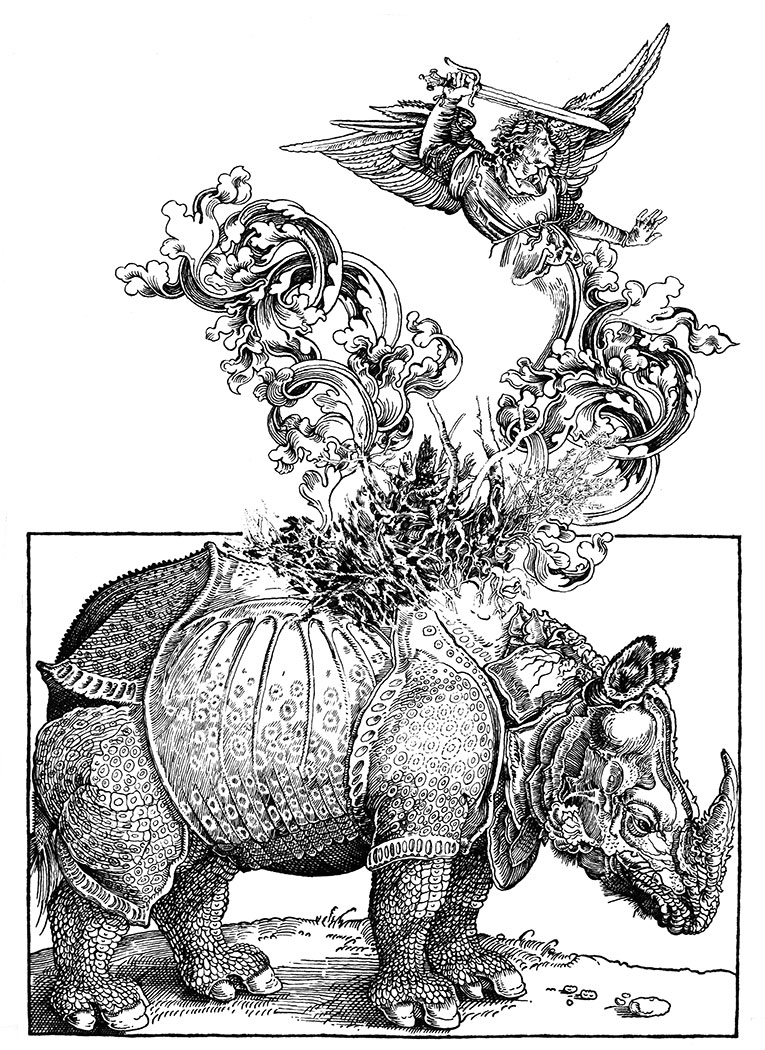
Dürer parafrázis II. ▪ Dürer Paraphrase No. 2, 1987
papír, tus ▪ paper, Indian ink ▪ 35×24 cm
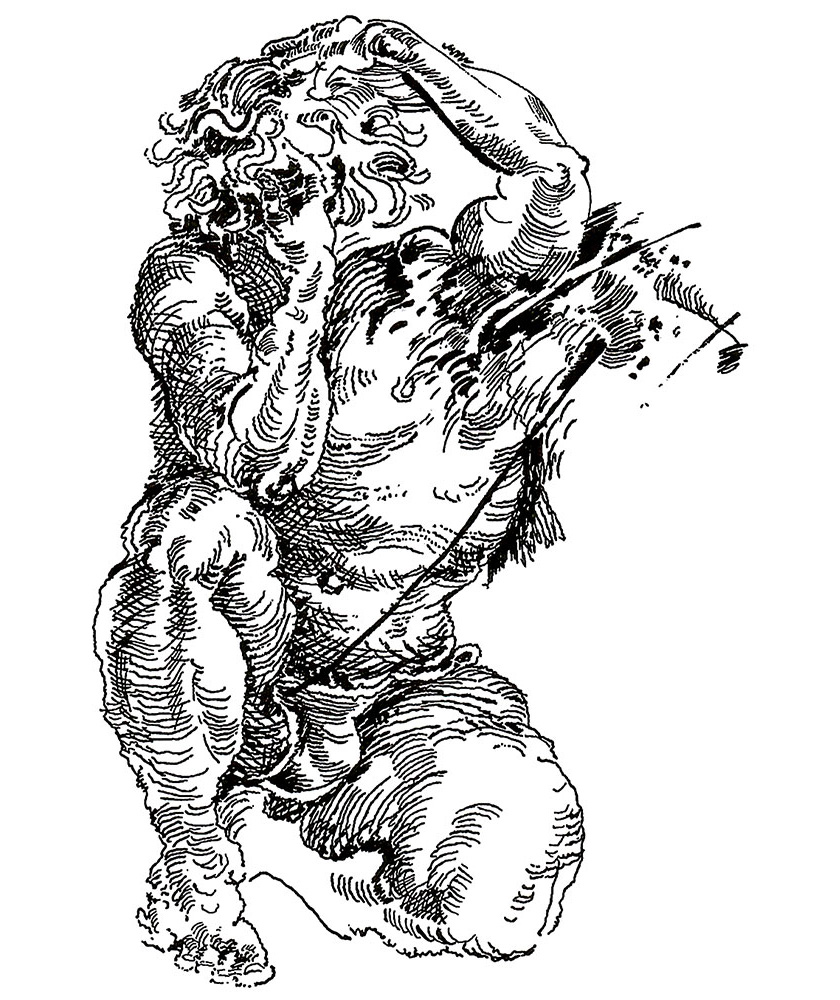
Dürer emlékére II. ▪ In Memory of Dürer No. 2, 1987
papír, tus ▪ paper, Indian ink ▪ 15×10 cm
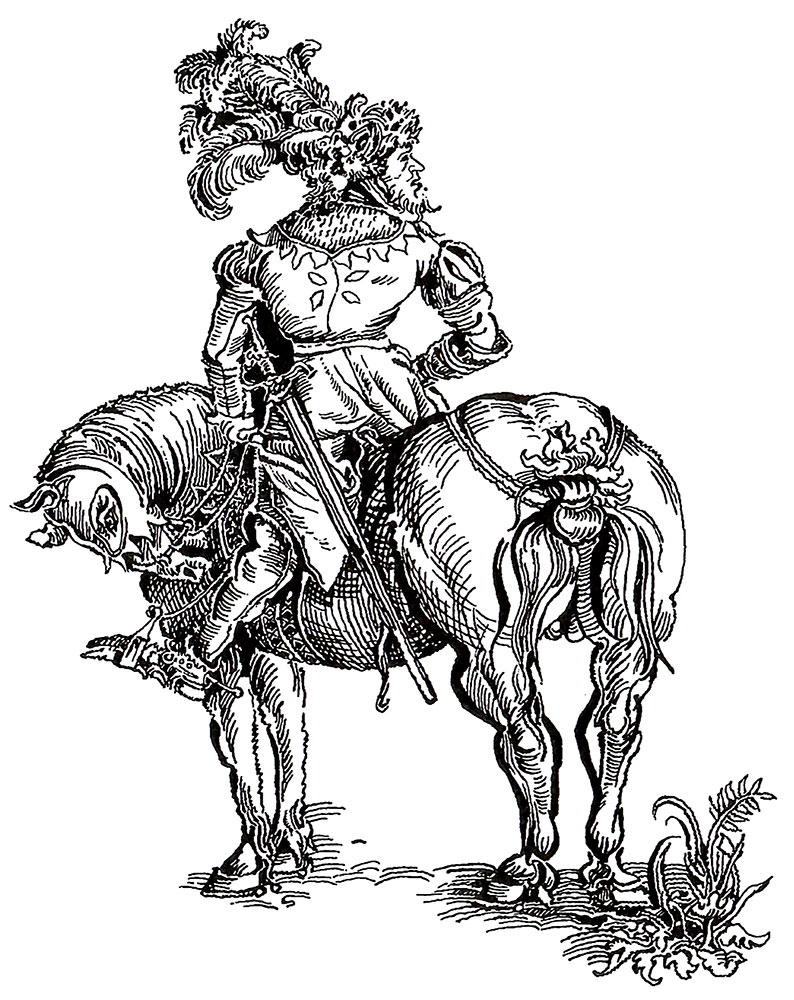
Dürer parafrázis III. ▪ Dürer Paraphrase No. 3, 1987
papír, tus ▪ paper, Indian ink ▪ 15×10 cm
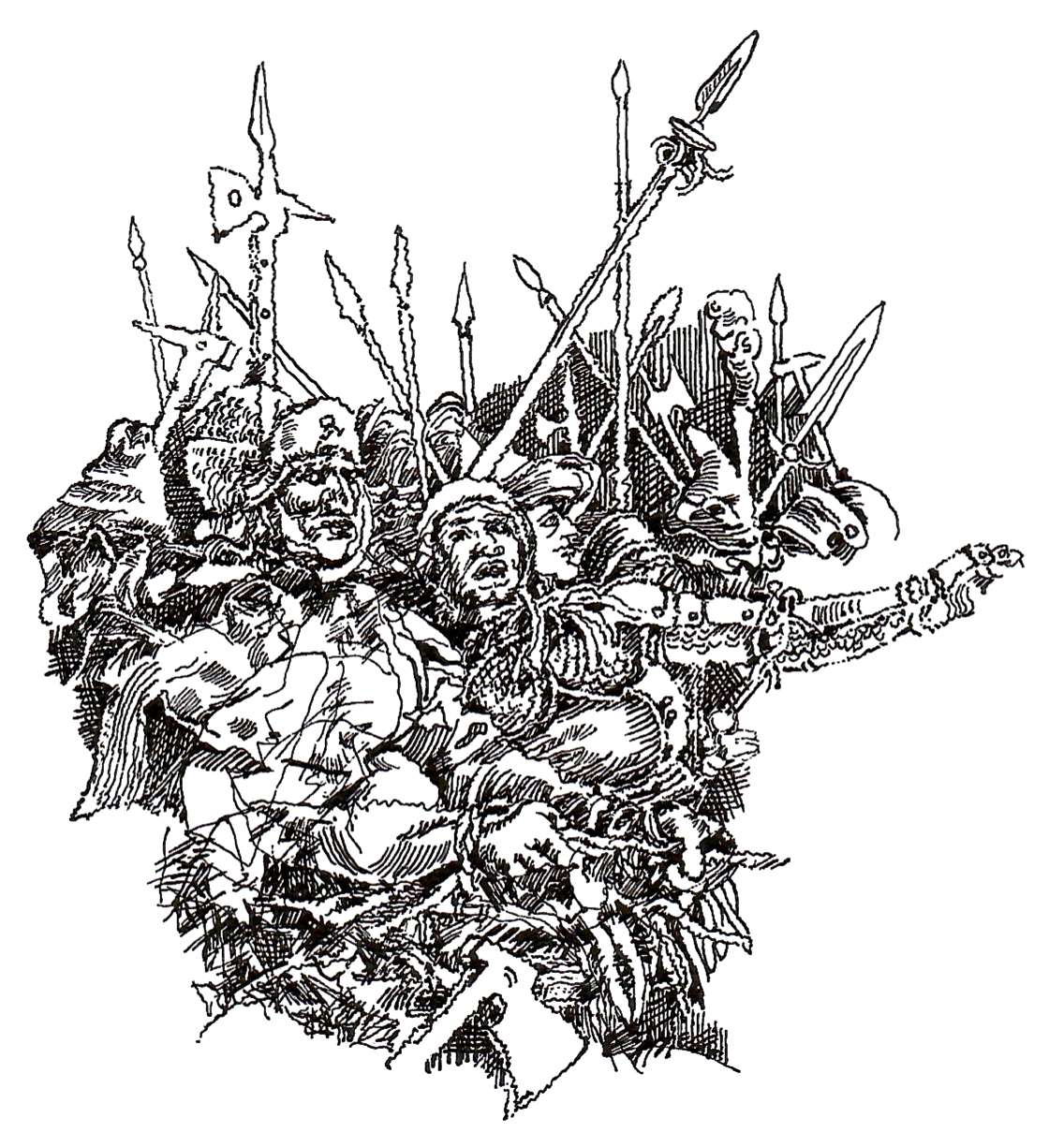
Dürer emlékére IV. ▪ In Memory of Dürer No. 4, 1987
papír, tus ▪ paper, Indian ink ▪ 10×15 cm

Dürer emlékére V. ▪ In Memory of Dürer No. 5, 1987
papír, tus ▪ paper, Indian ink ▪ 10×15 cm
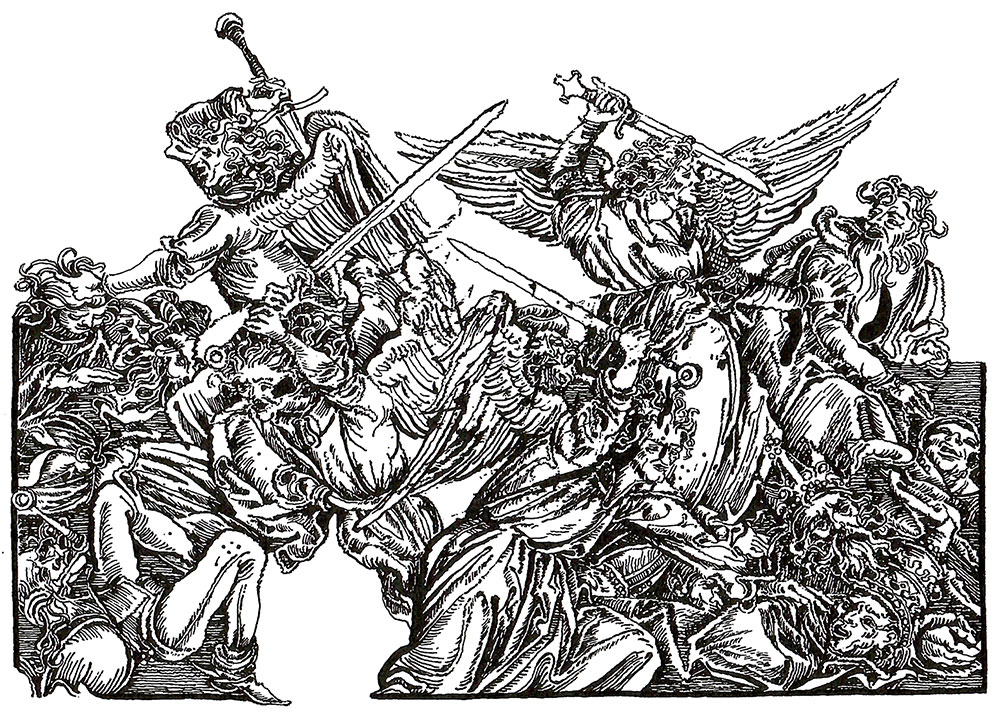
Dürer emlékére I. ▪ In Memory of Dürer No. 1, 1987
papír, tus ▪ paper, Indian ink ▪ 10×15 cm
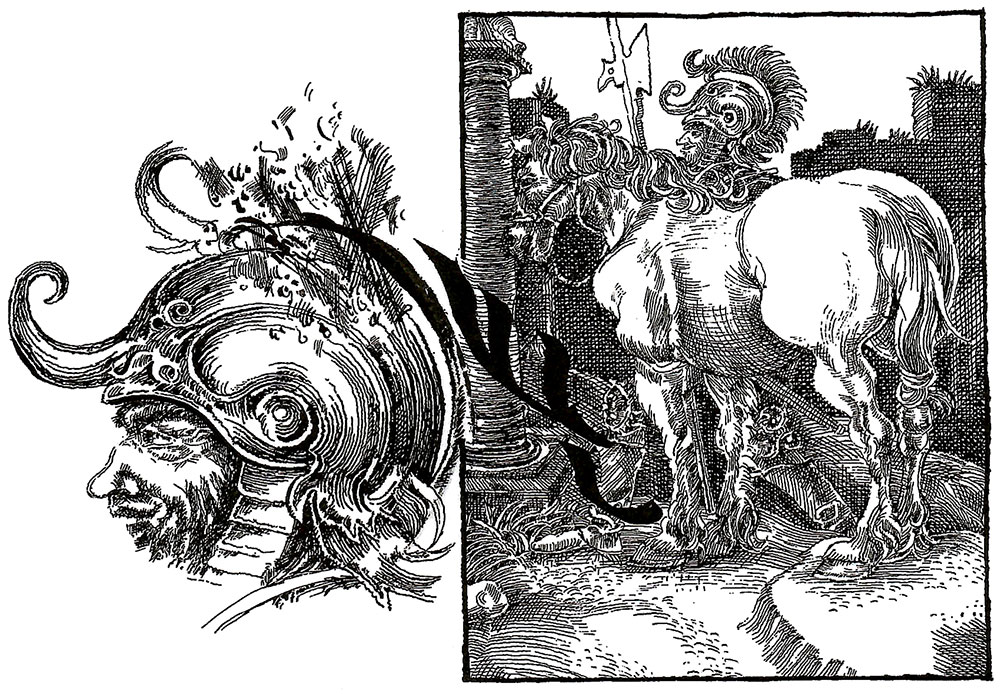
Dürer emlékére VI. ▪ In Memory of Dürer No. 6, 1987
papír, tus ▪ paper, Indian ink ▪ 10×15 cm
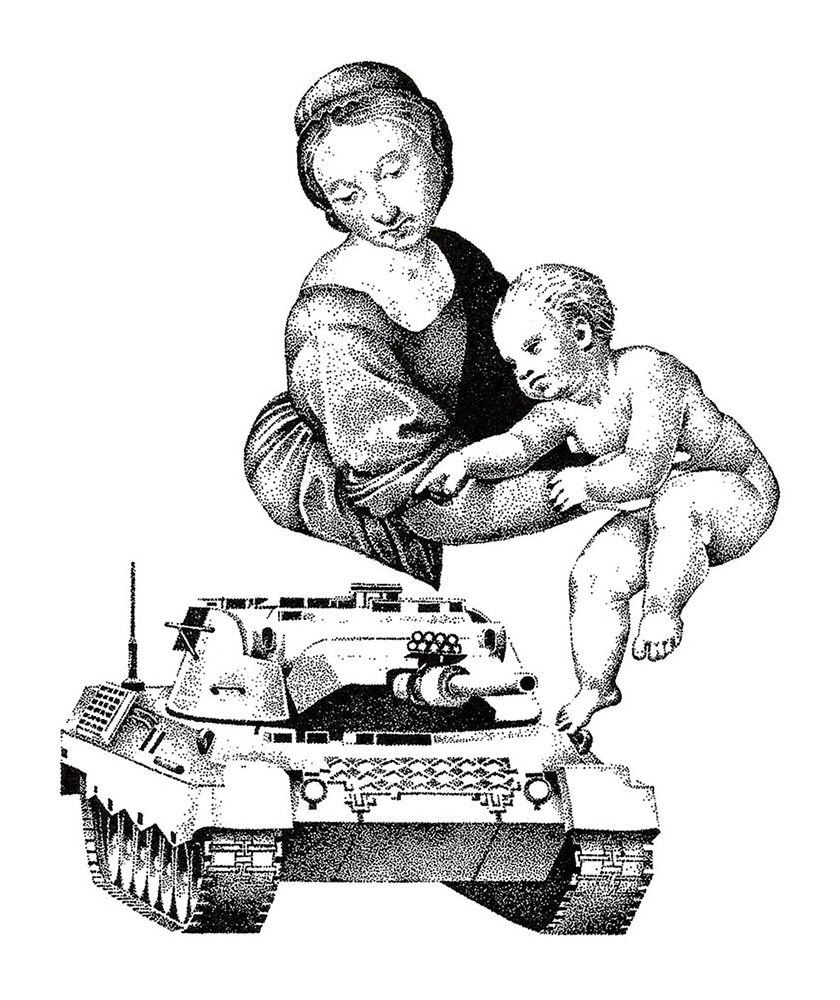
Raffaello parafrázis I. ▪ Raffaello Paraphrase No. 1, 1981
papír, tus ▪ paper, Indian ink ▪ 29,5×21 cm
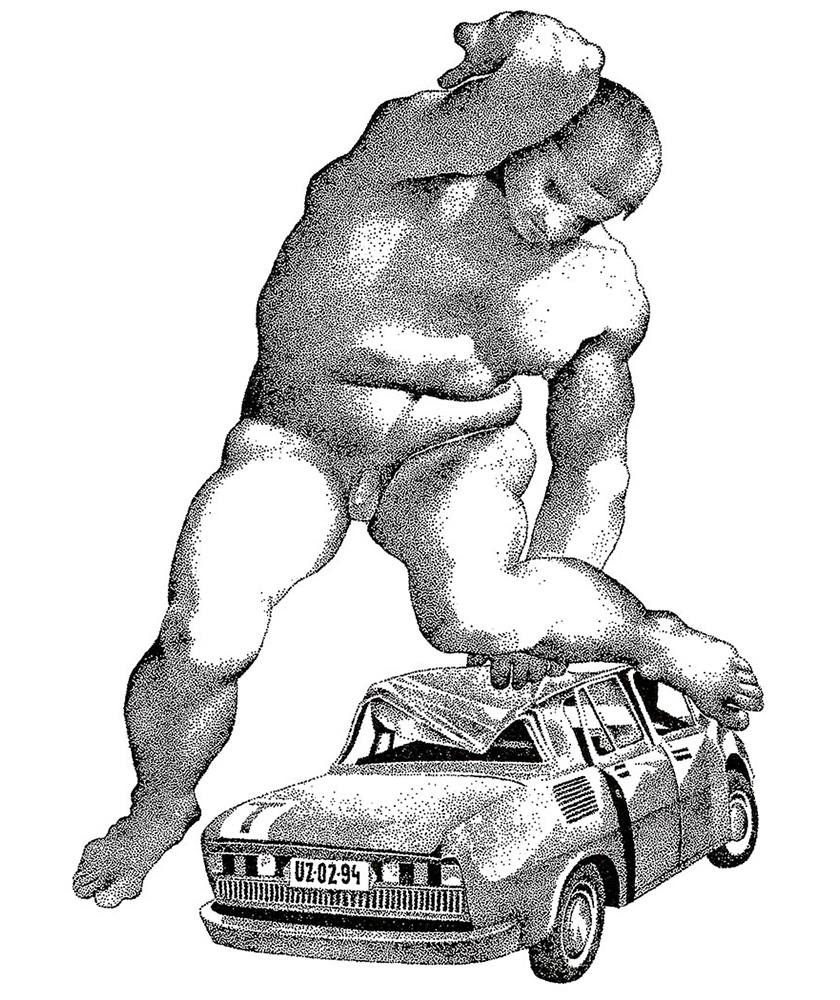
Michelangelo parafrázis II. ▪ Michelangelo Paraphrase No. 2, 1981
papír, tus ▪ paper, Indian ink ▪ 29,5×21 cm
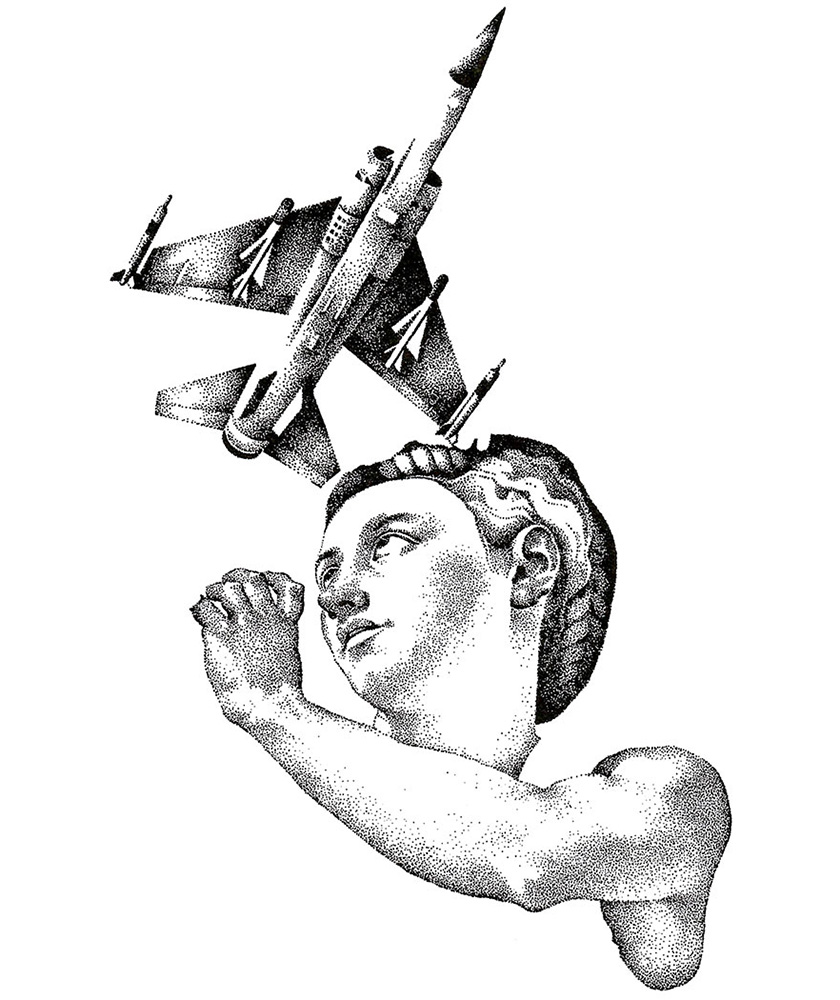
Michelangelo parafrázis I. ▪ Michelangelo Paraphrase No. 1, 1981
papír, tus ▪ paper, Indian ink ▪ 29,5×21 cm
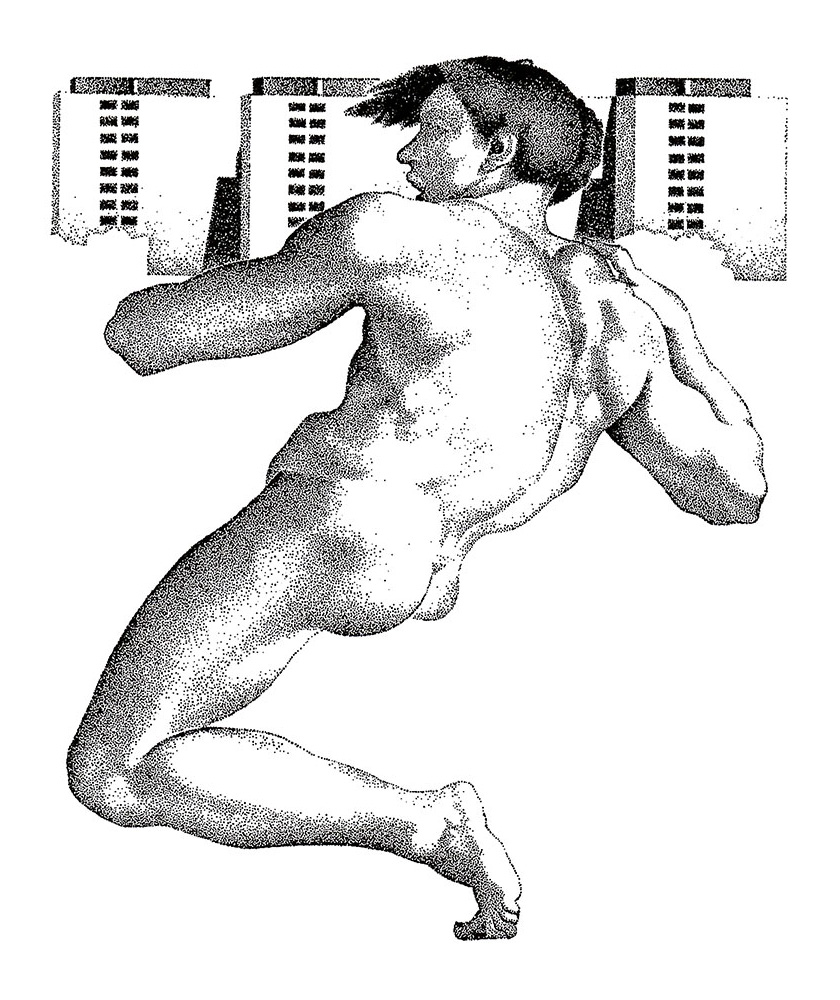
Michelangelo parafrázis III. ▪ Michelangelo Paraphrase No. 3, 1981
papír, tus ▪ paper, Indian ink ▪ 29,5×21 cm
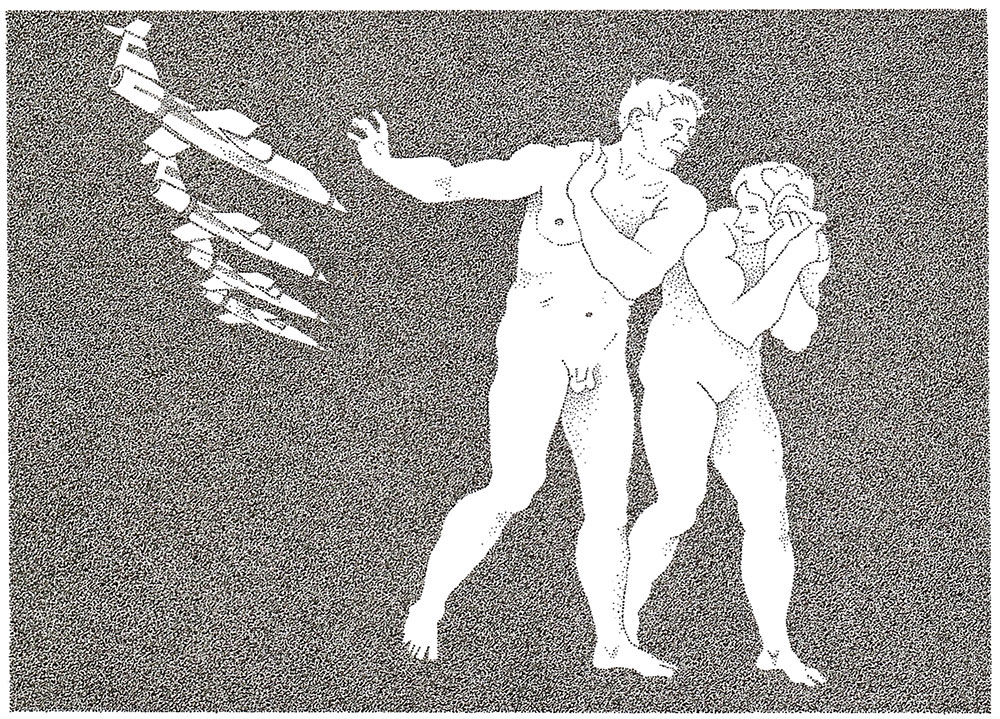
Michelangelo parafrázis ▪ Michelangelo Paraphrase, 1983
papír, tus ▪ paper, Indian ink ▪ 15×10 cm
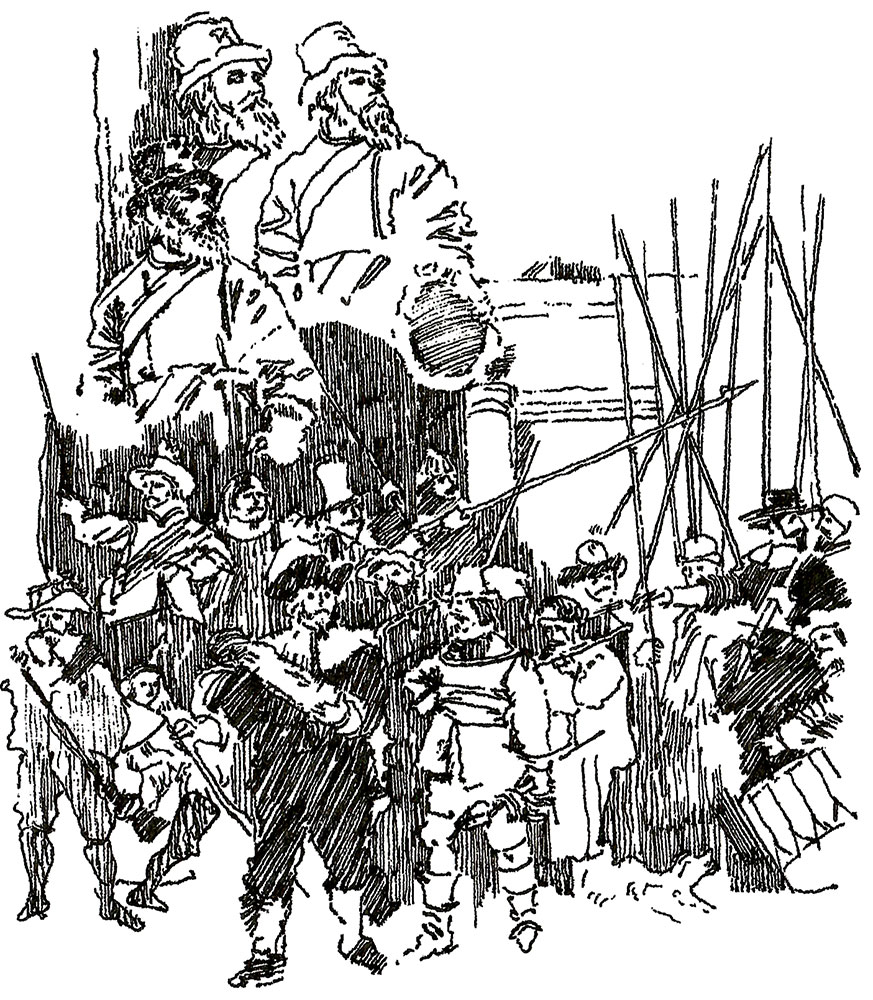
Rembrandt parafrázis ▪ Rembrandt Paraphrase, 1982
papír, tus ▪ paper, Indian ink ▪ 15×10 cm
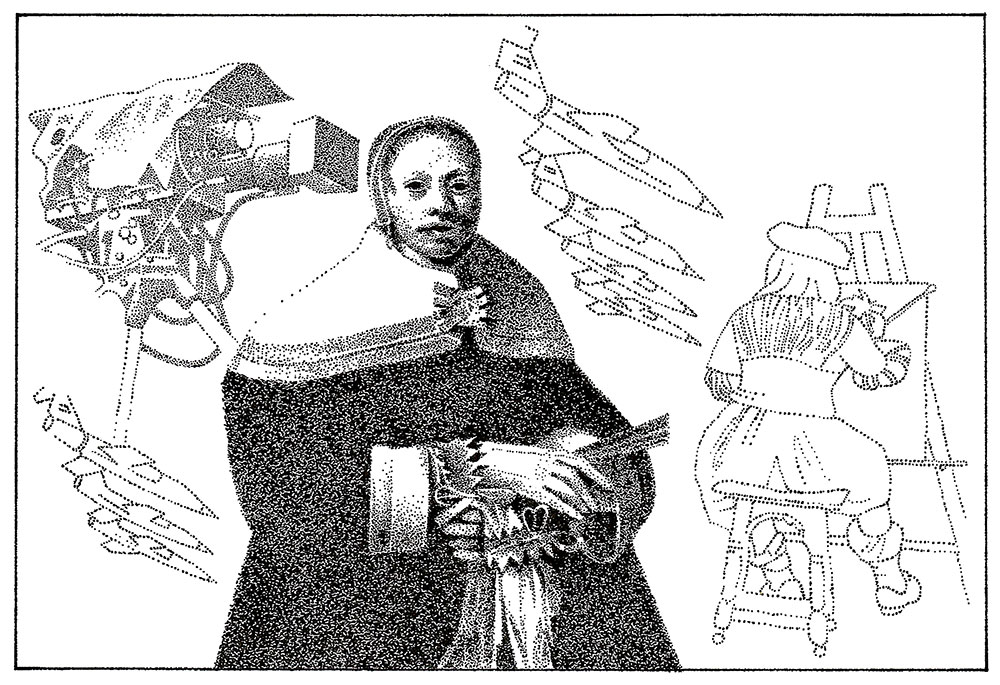
Vermeer parafrázis ▪ Vermeer Paraphrase, 1983
papír, tus ▪ paper, Indian ink ▪ 15×10 cm
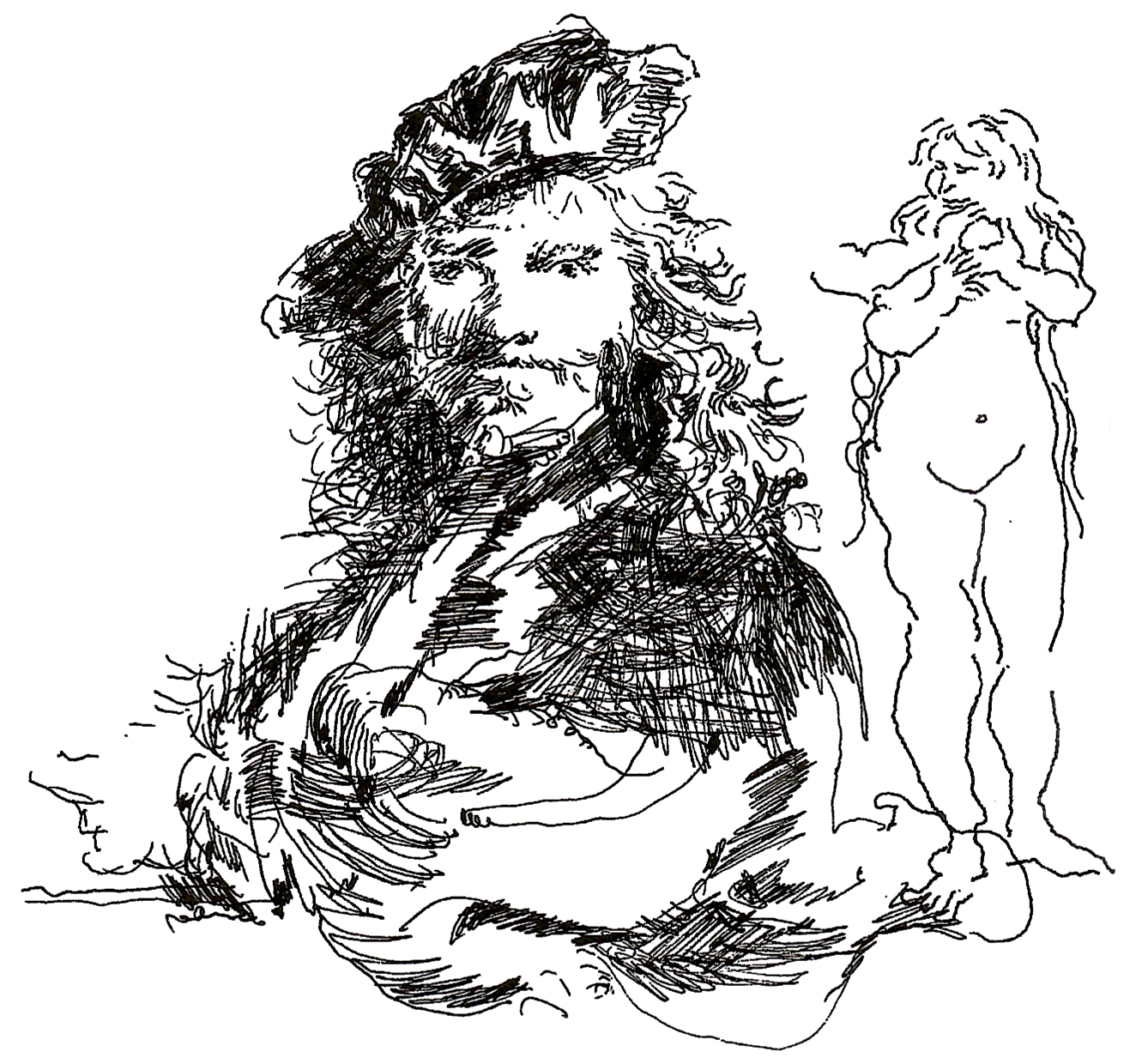
Rembrandt parafrázis ▪ Rembrandt Paraphrase, 1982
papír, tus ▪ paper, Indian ink ▪ 10×15 cm
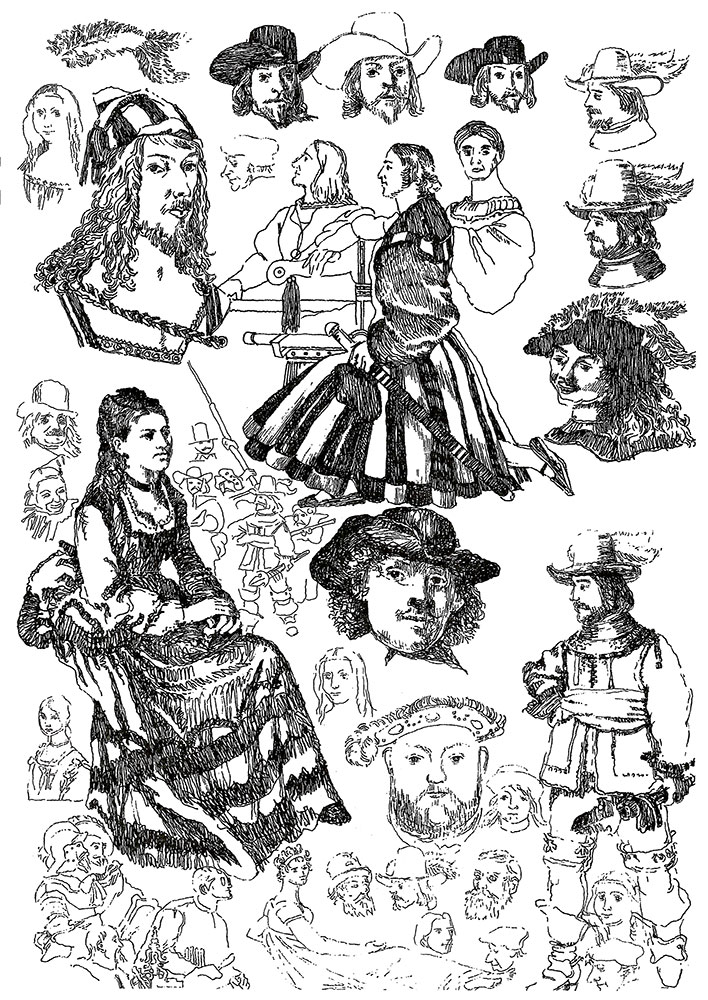
Parafrázis ▪ Paraphrase, 1982
papír, tus ▪ paper, Indian ink ▪ 29,5×21 cm
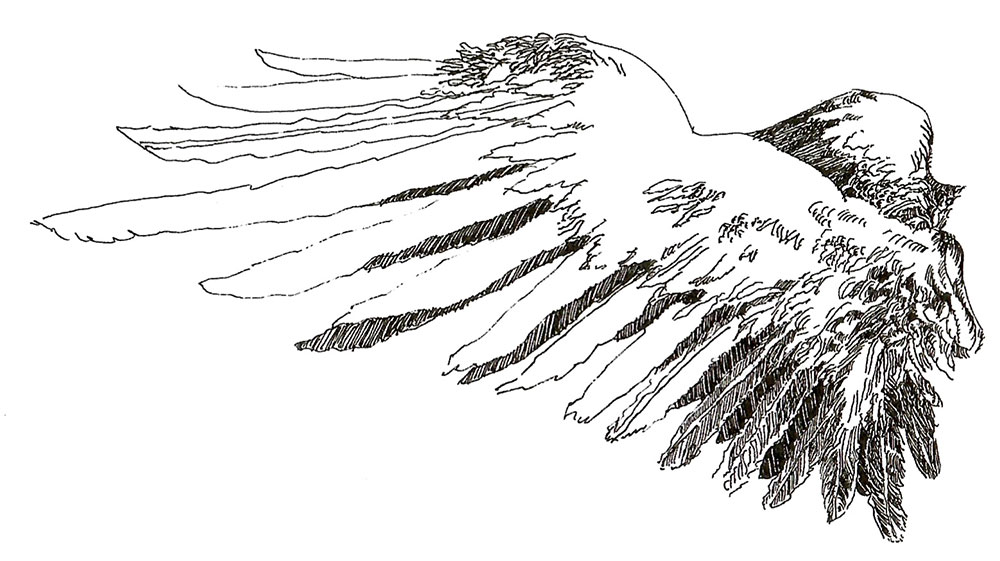
Parafrázis ▪ Paraphrase, 1983
papír, tus ▪ paper, Indian ink ▪ 29,5×21 cm
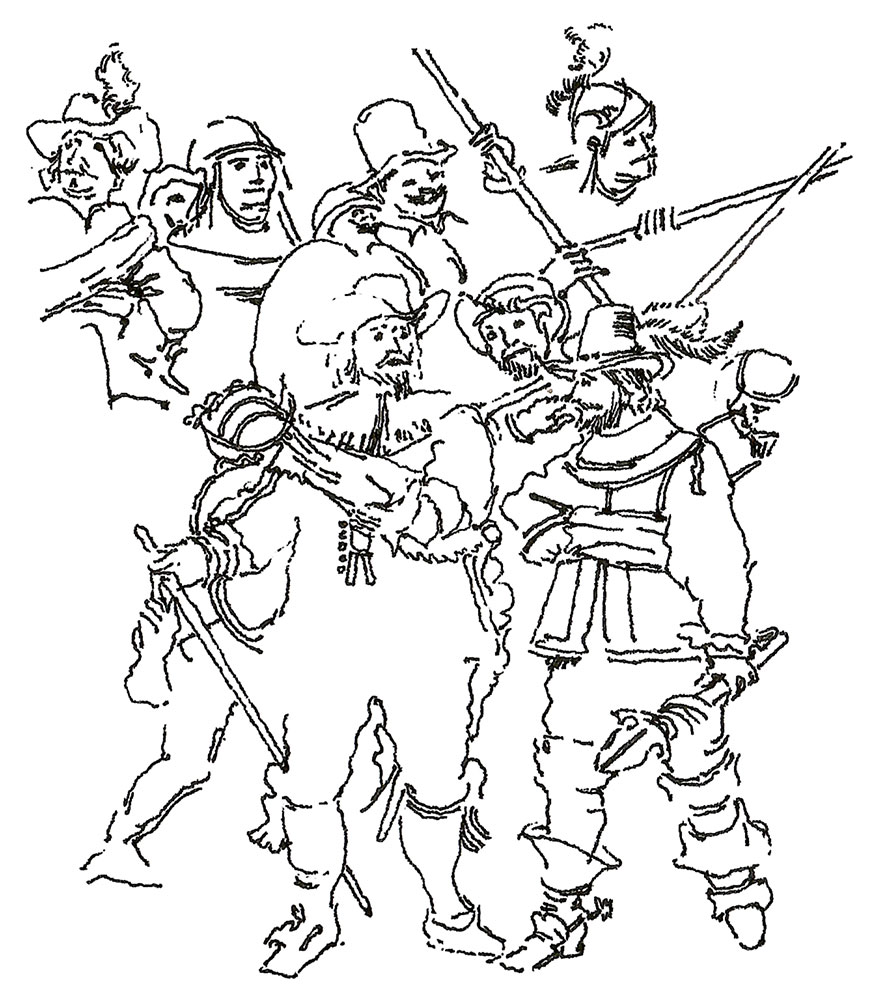
Rembrandt parafrázis ▪ Rembrandt Paraphrase, 1982
papír, tus ▪ paper, Indian ink ▪ 15×10 cm
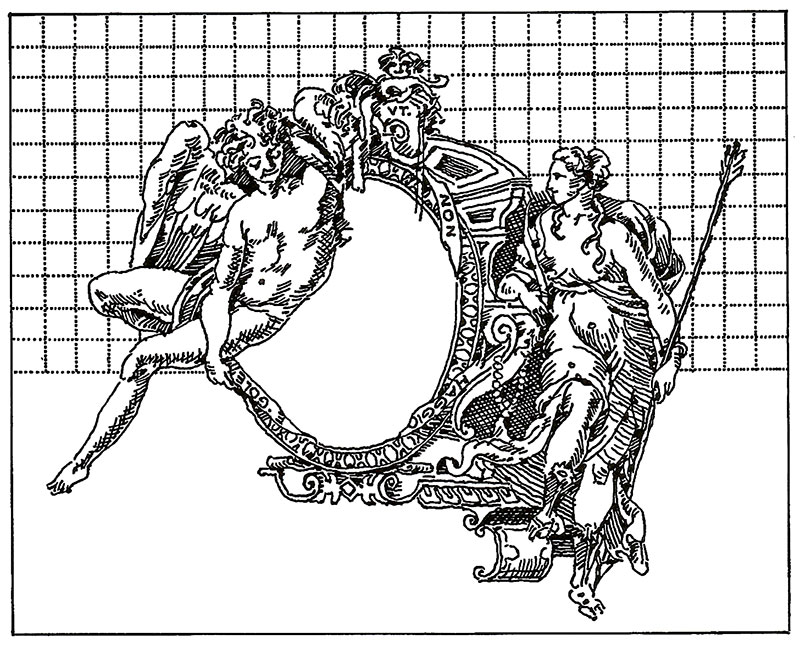
Parafrázis ▪ Paraphrase, 1993
papír, tus ▪ paper, Indian ink ▪ 10×15 cm
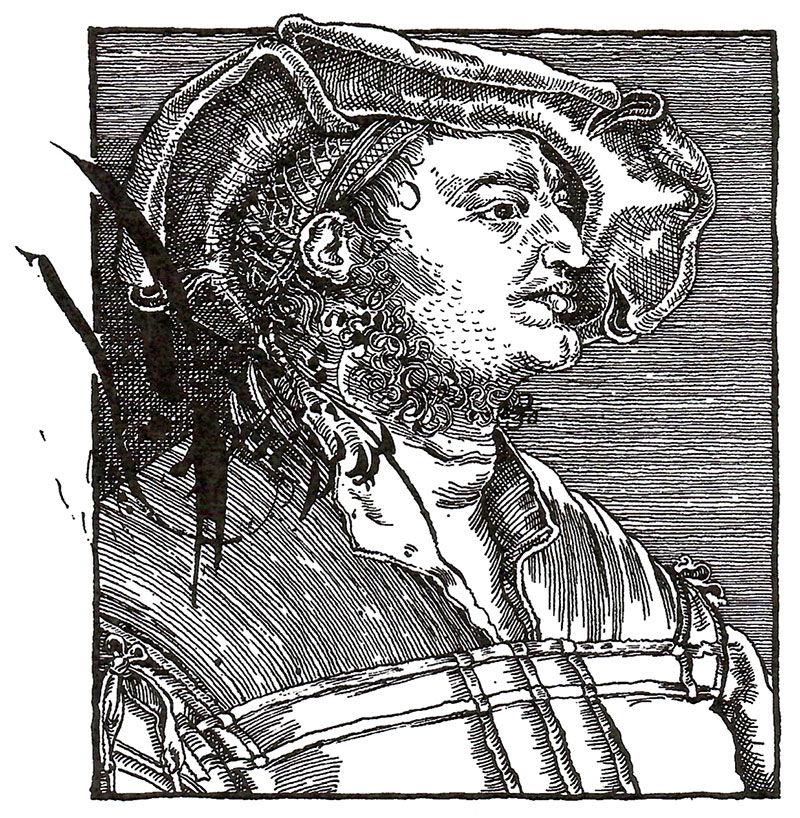
Dürer emlékére ▪ In Memory of Dürer, 1987
papír, tus ▪ paper, Indian ink ▪ 10×15 cm
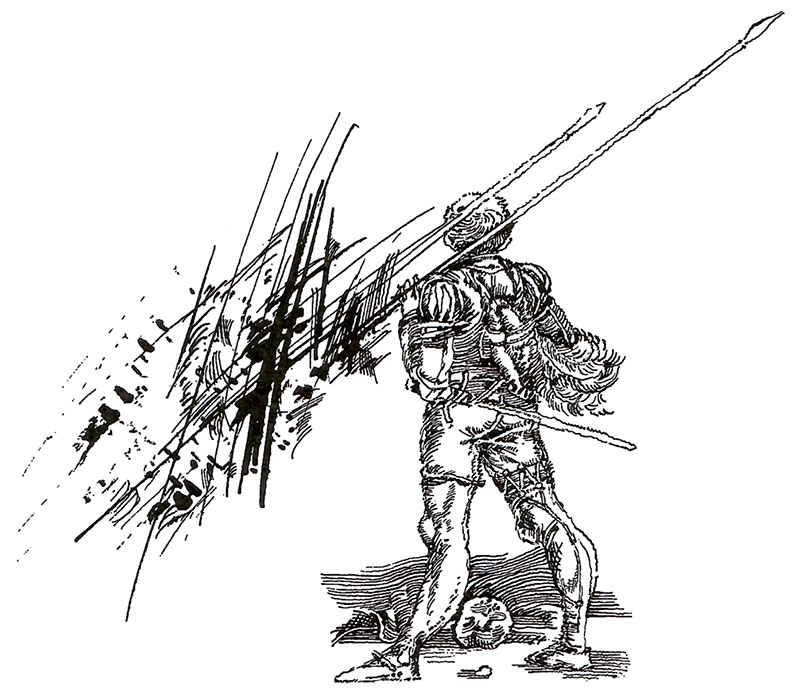
Dürer emlékére ▪ In Memory of Dürer, 1987
papír, tus ▪ paper, Indian ink ▪ 10×15 cm
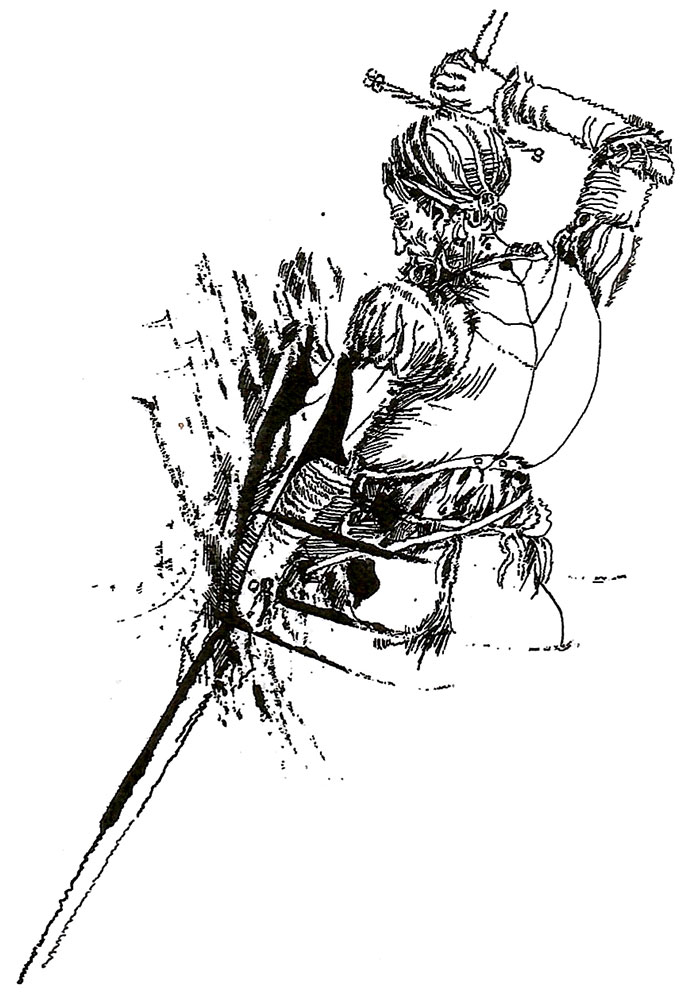
Dürer emlékére ▪ In Memory of Dürer, 1987
papír, tus ▪ paper, Indian ink ▪ 10×15 cm