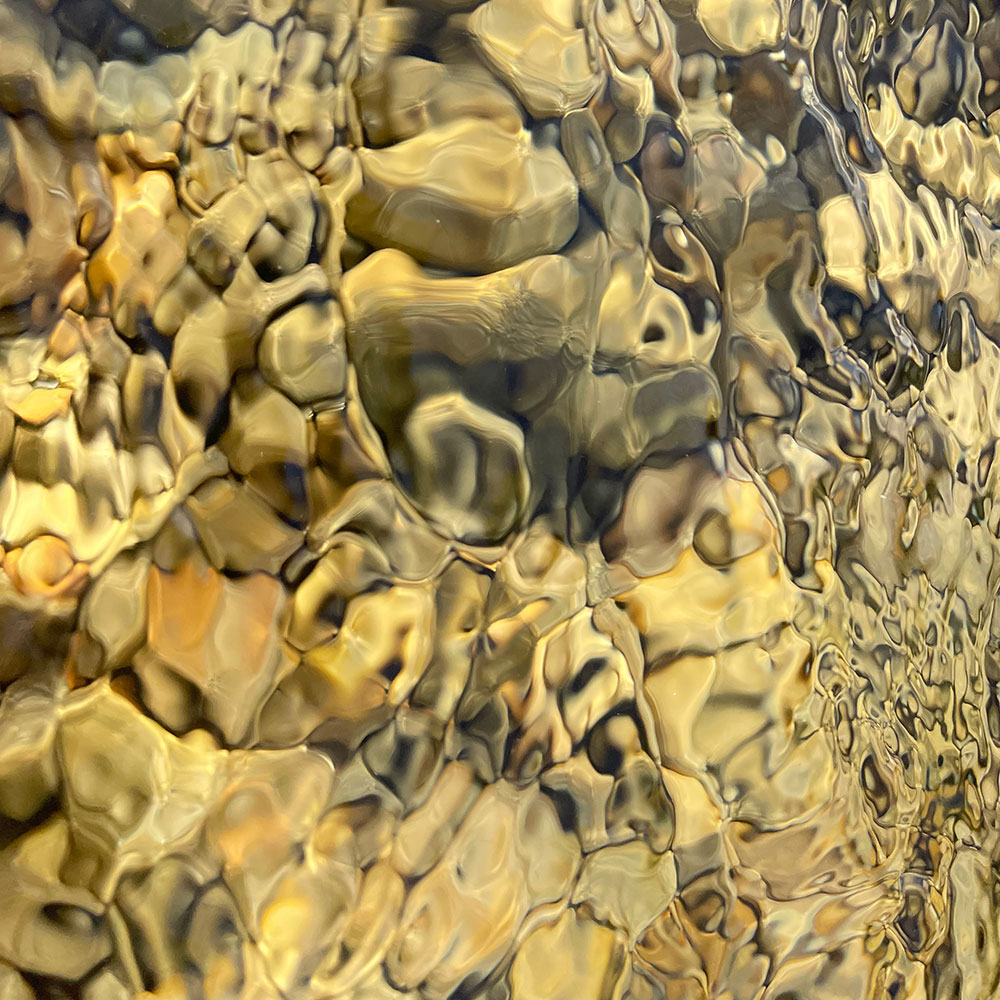
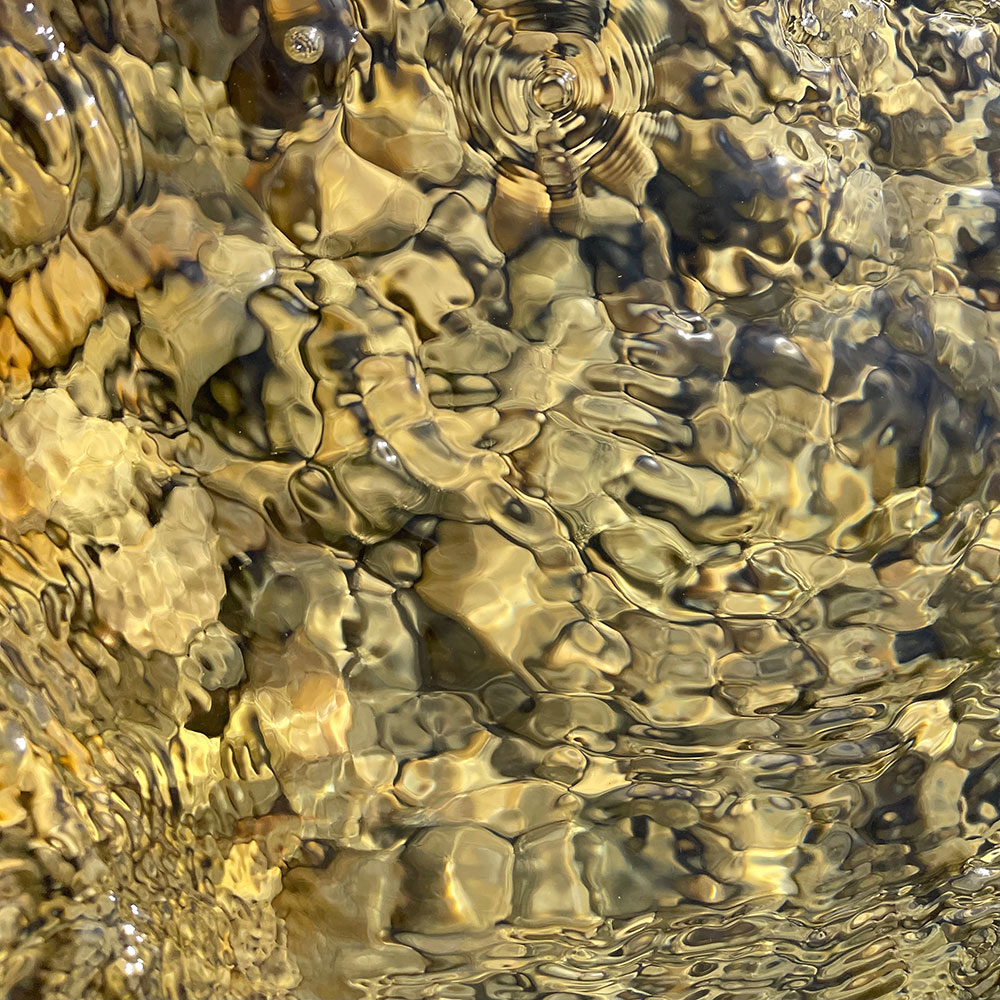
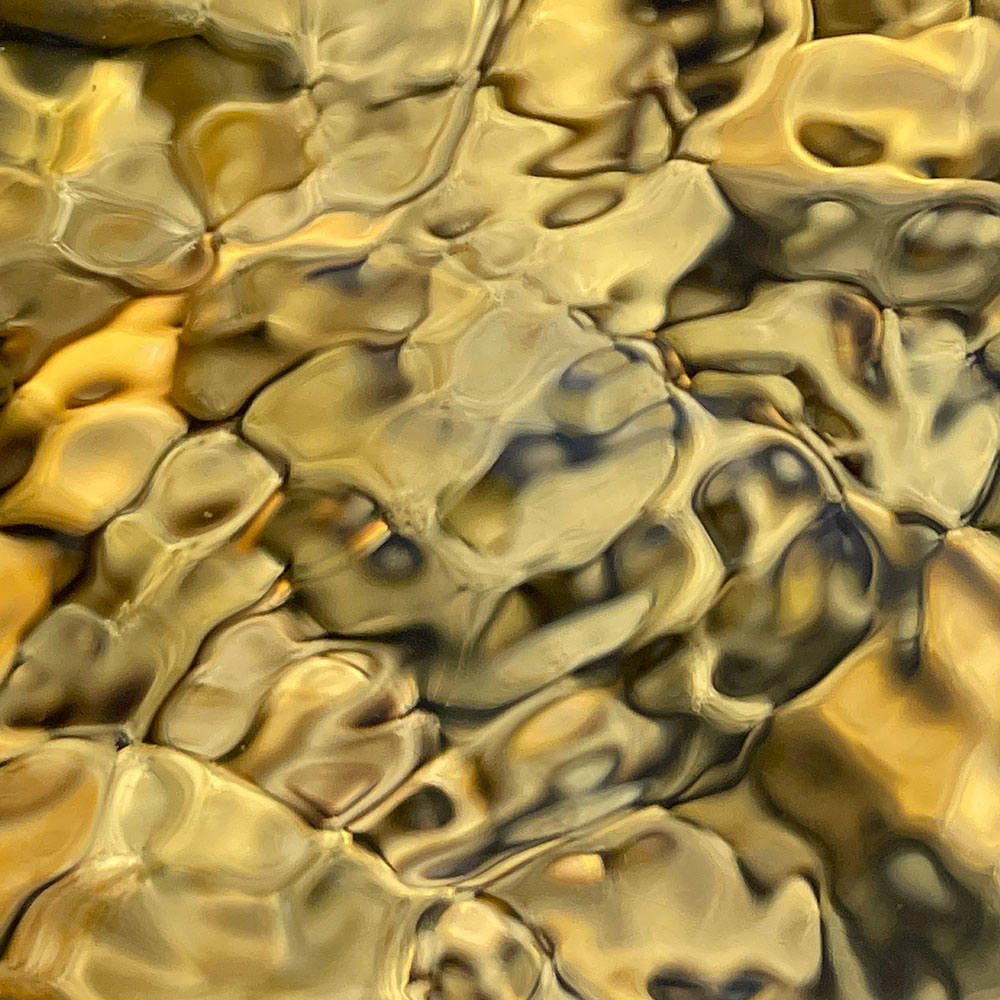
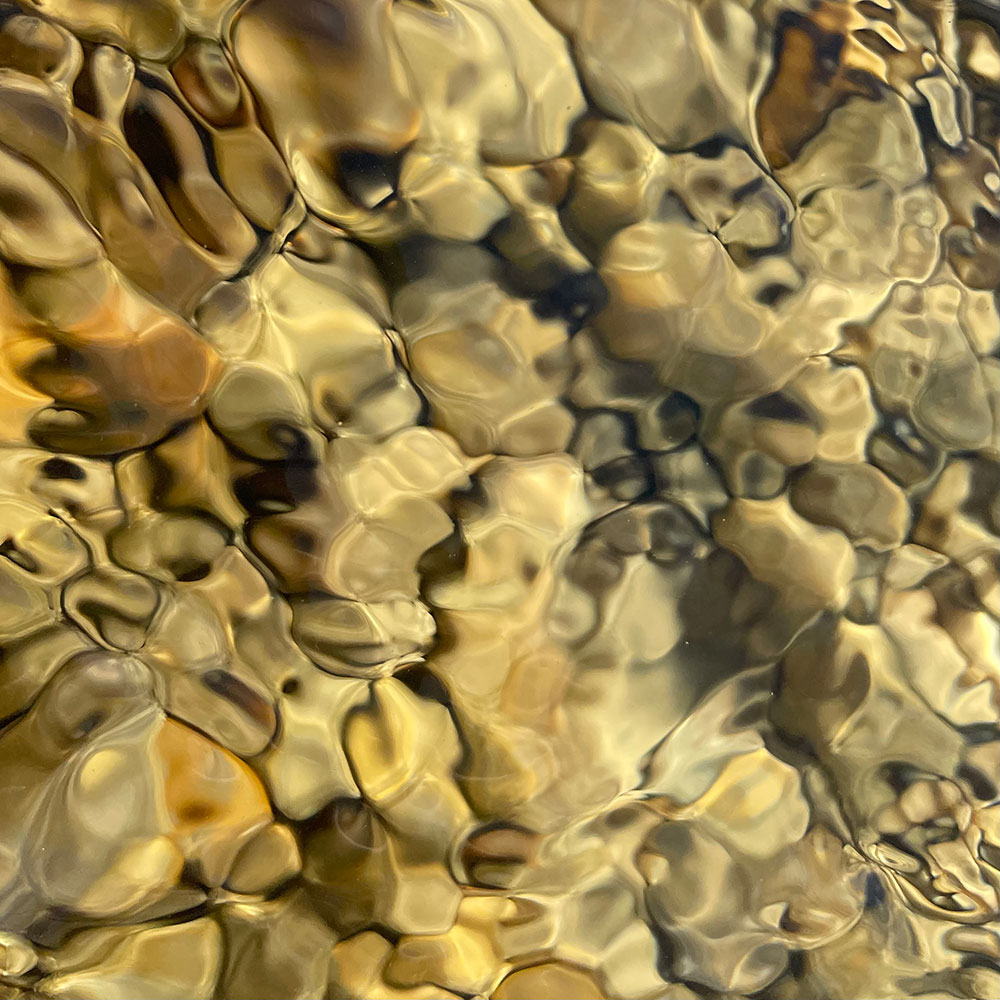
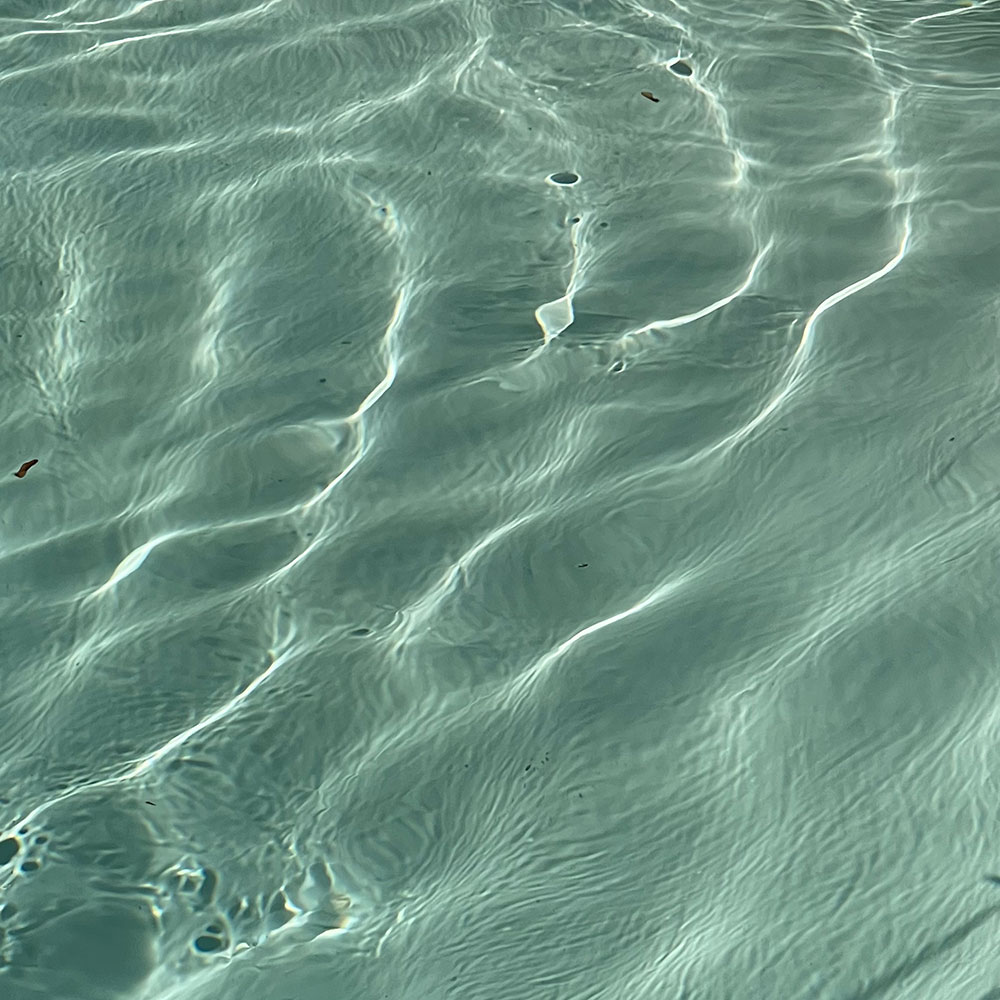
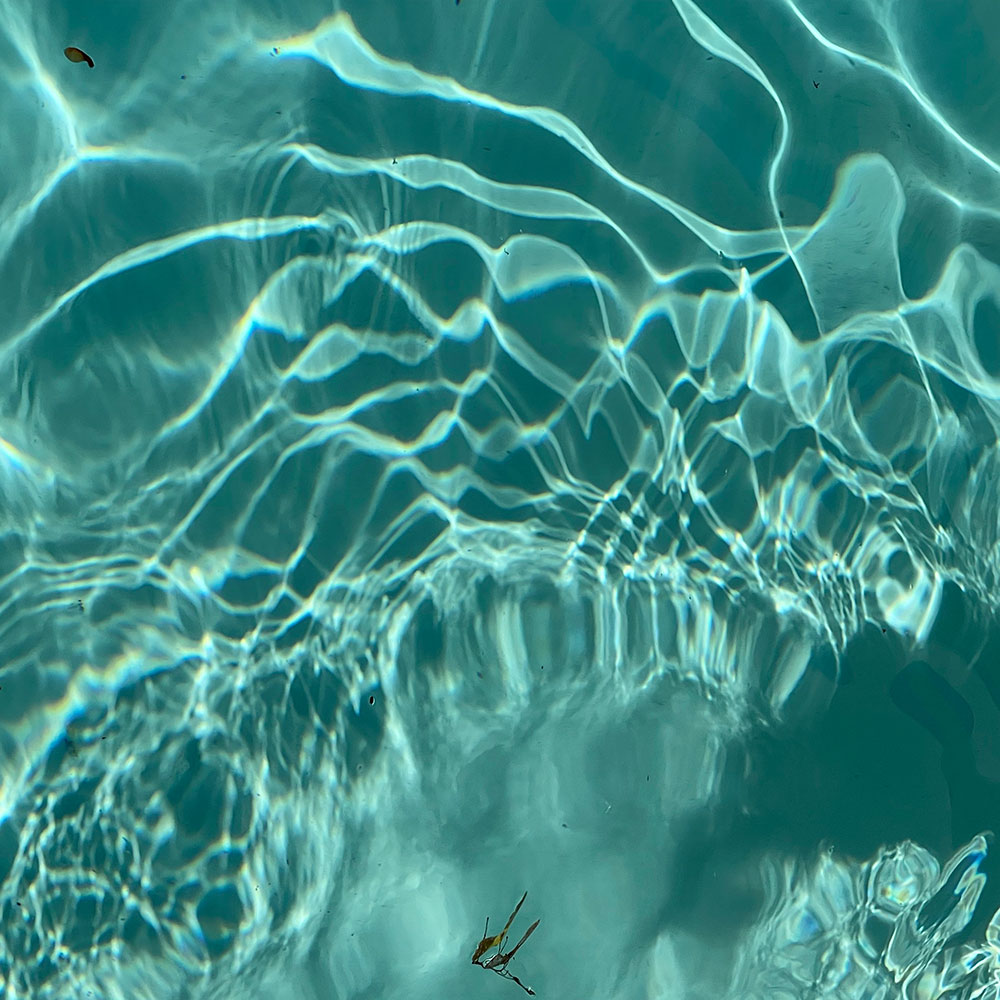
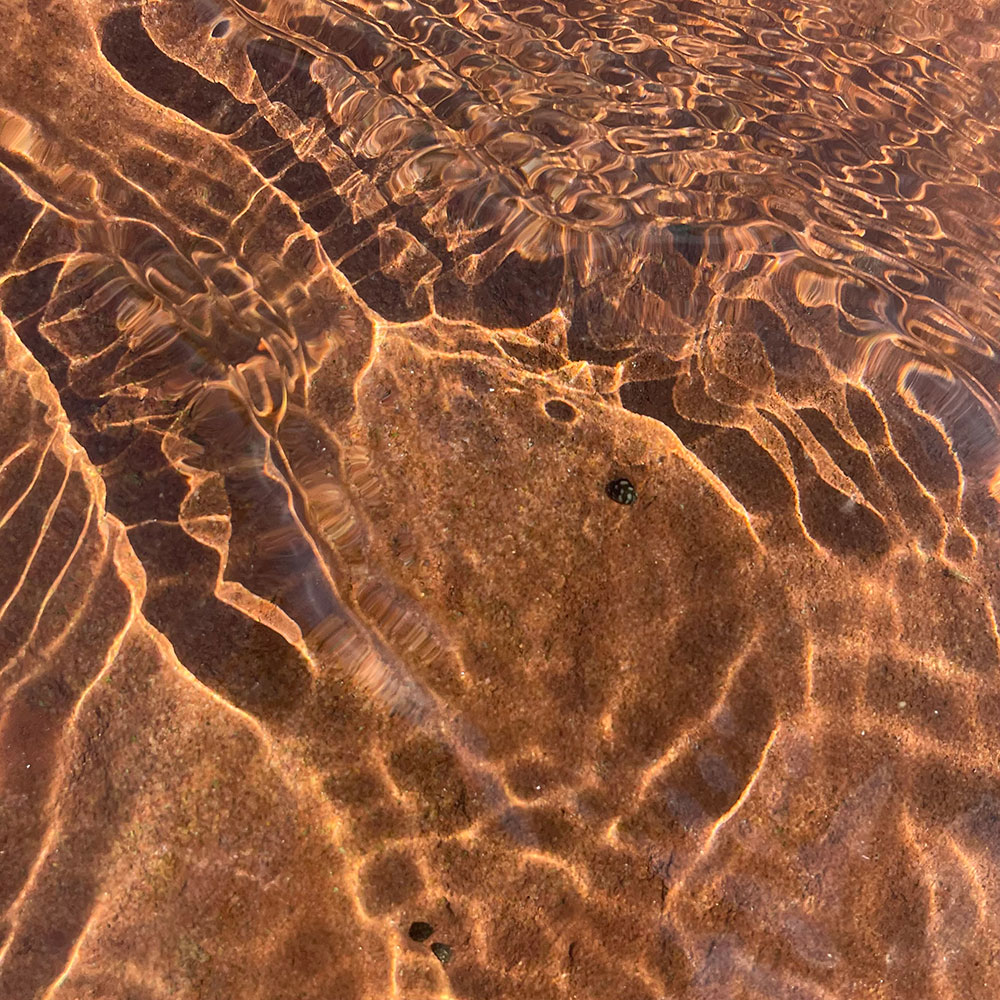
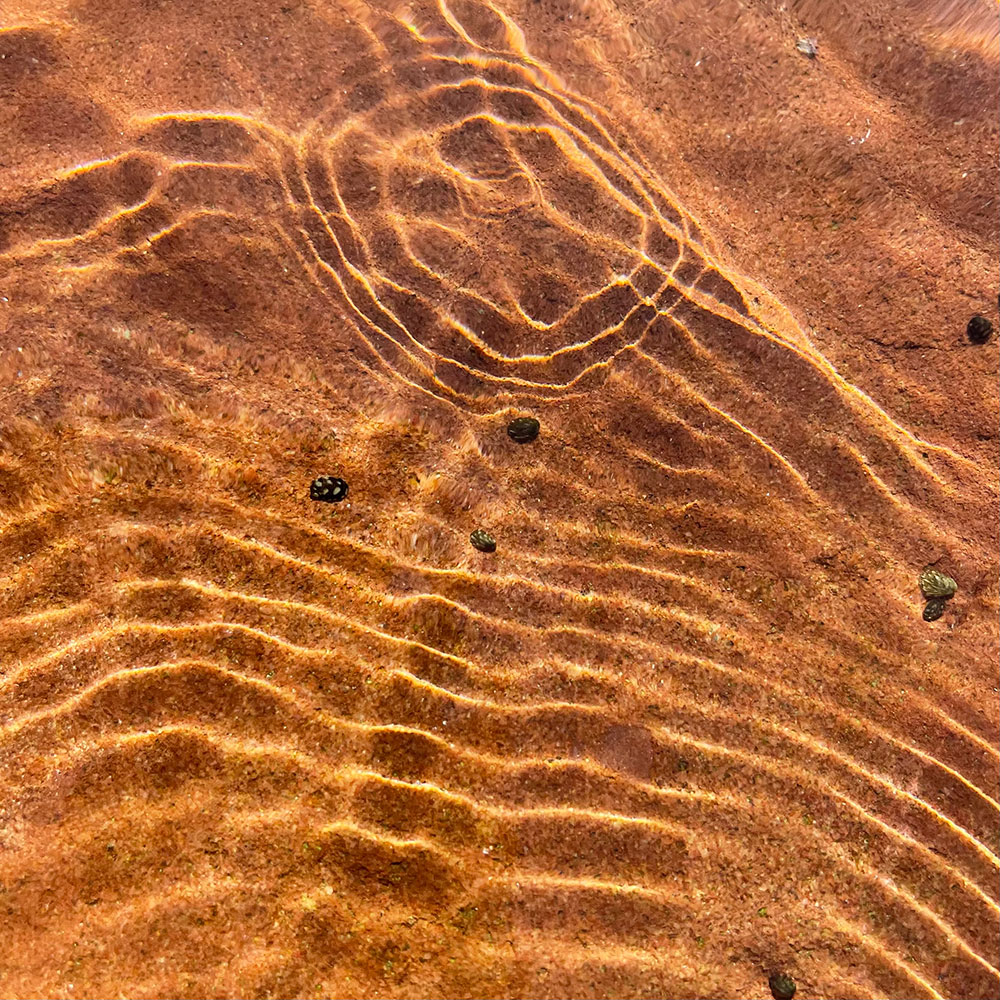
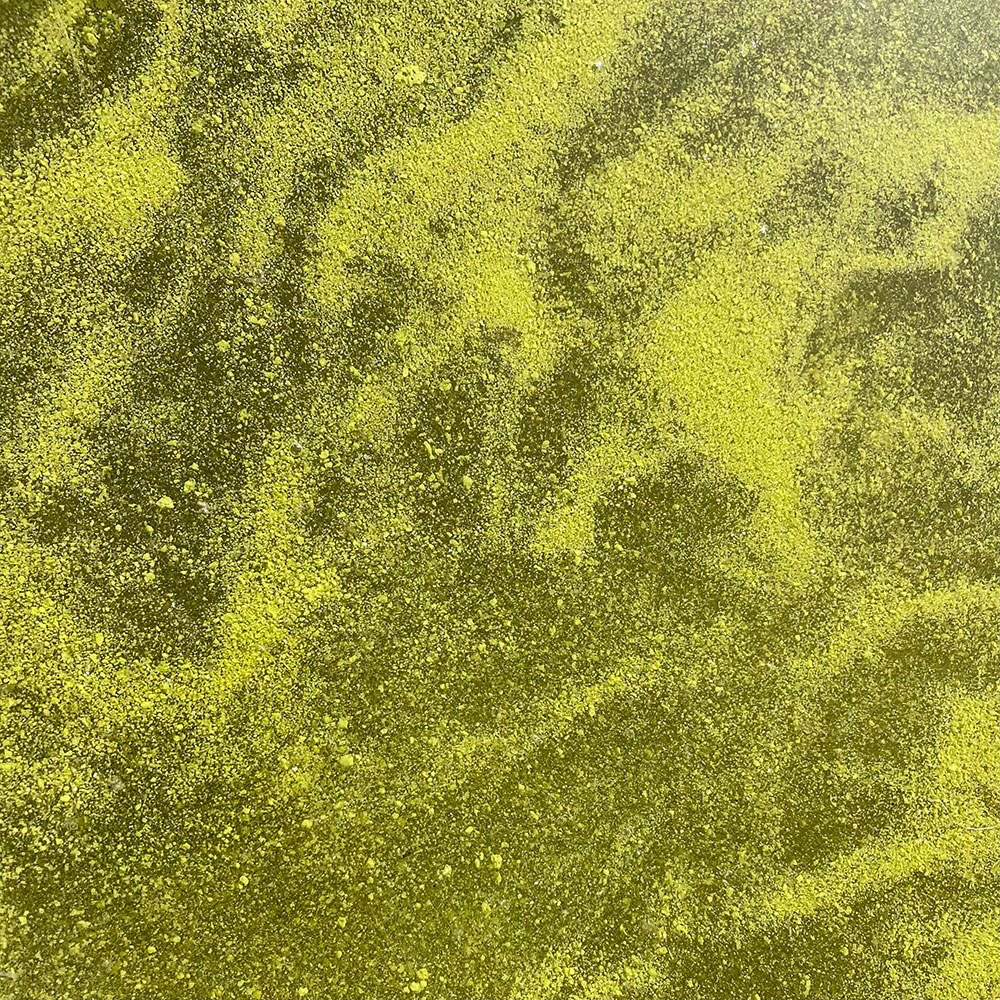
Emotions and sensations, visual details of the invisible realm of the world. These appear in the paintings of Győző Sárkány. It is as if we are seeing well separated movements of musical runs. Depending on the state of mind, the train of thought is interrupted and then finds its way back to the starting point, to be blended together, to roll beautifully according to the artist’s intention. The creator’s perception filters through the visible slice of reality. After simplifying, getting rid of the superfluous and discarding stereotypes, a colourful, vivid visual stream emerges, edited by the artist on the basis of the dramaturgy of comic strips. We are immersed in the world of his work, a clear yet vivid abstraction. There are no motifs that remind us of the reality that we see, but there is a sublime use of colour.
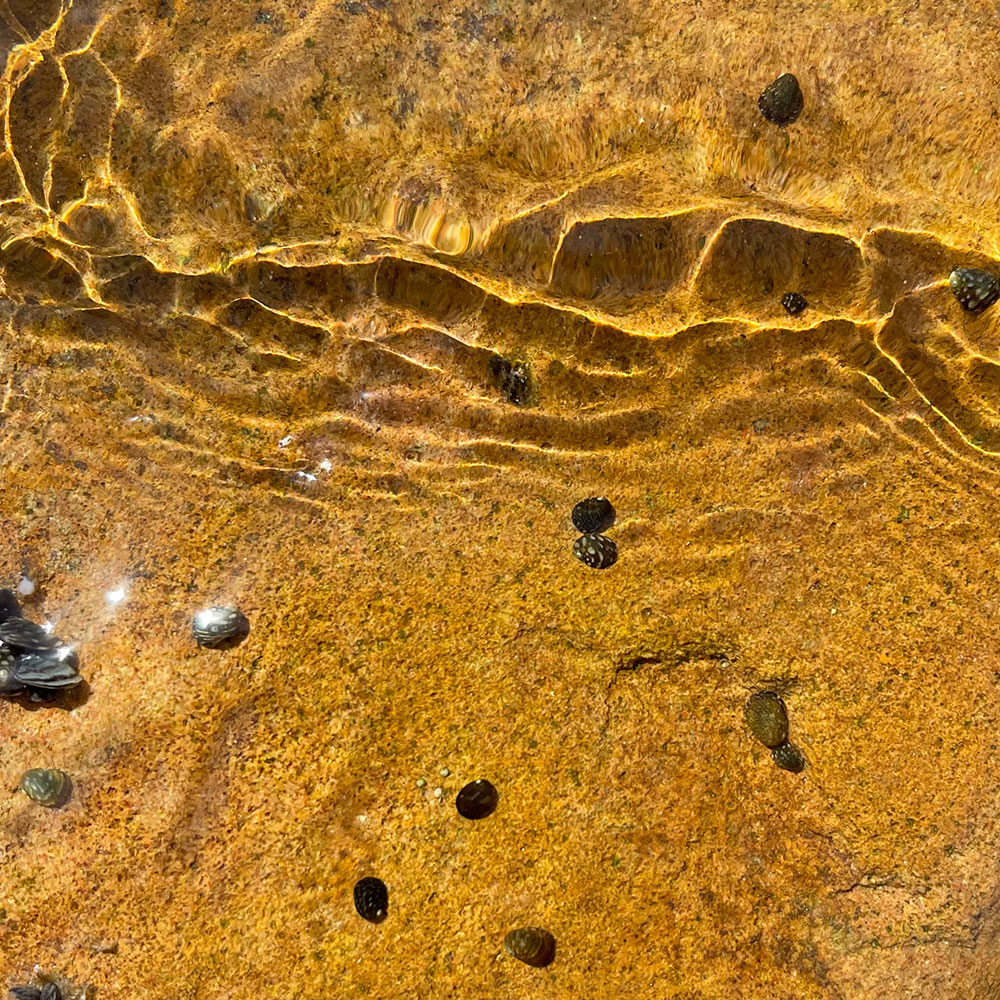
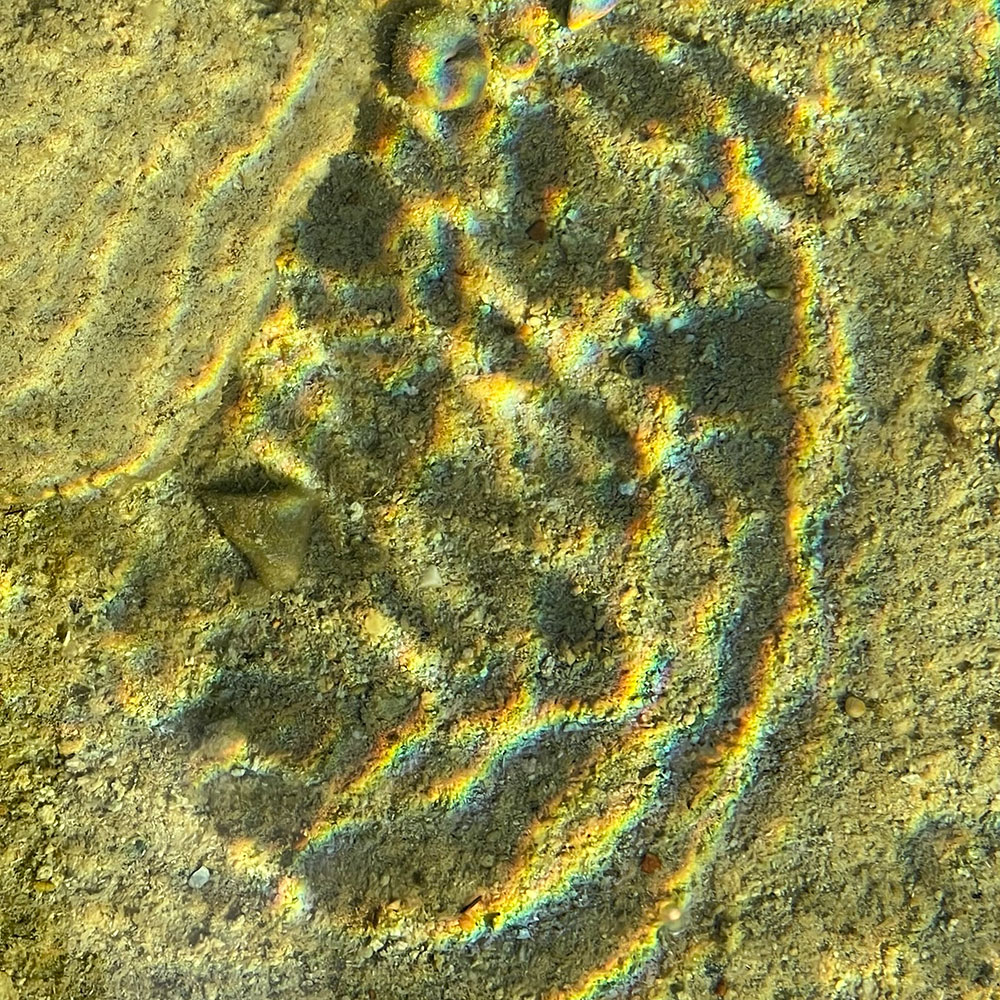
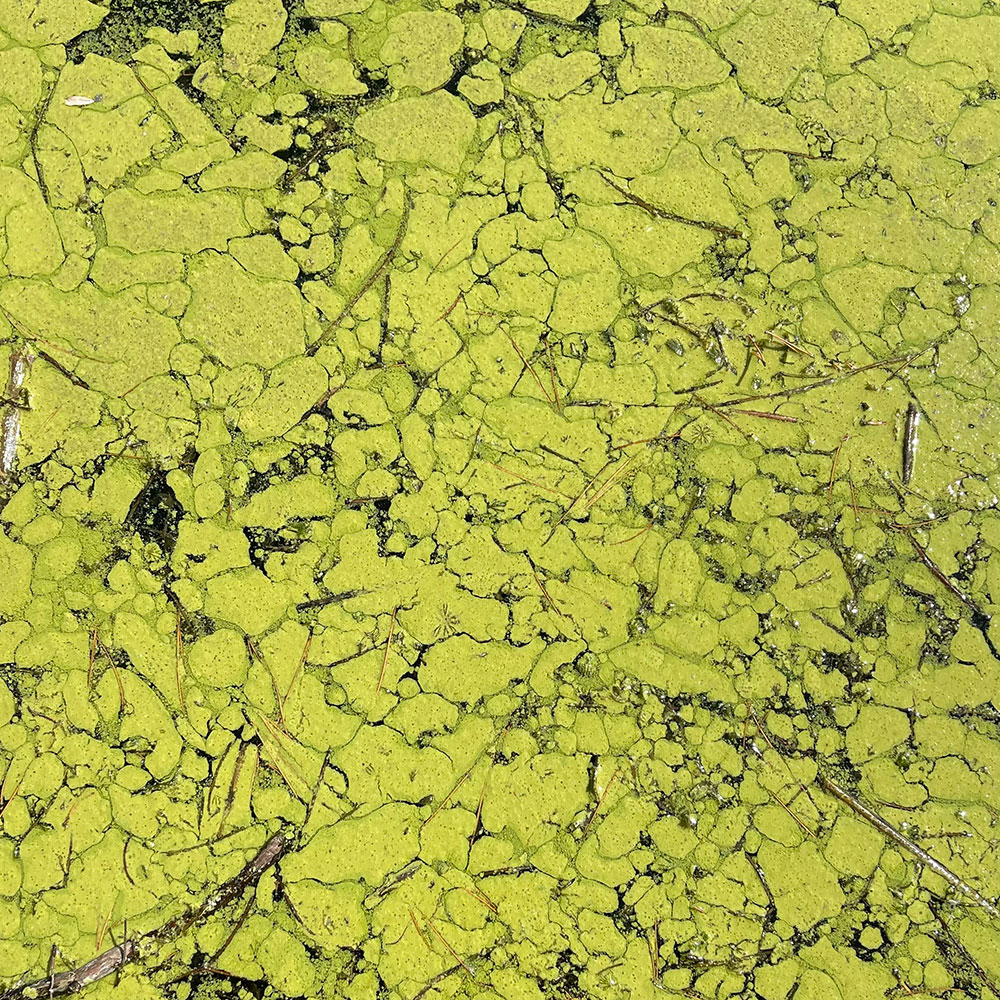
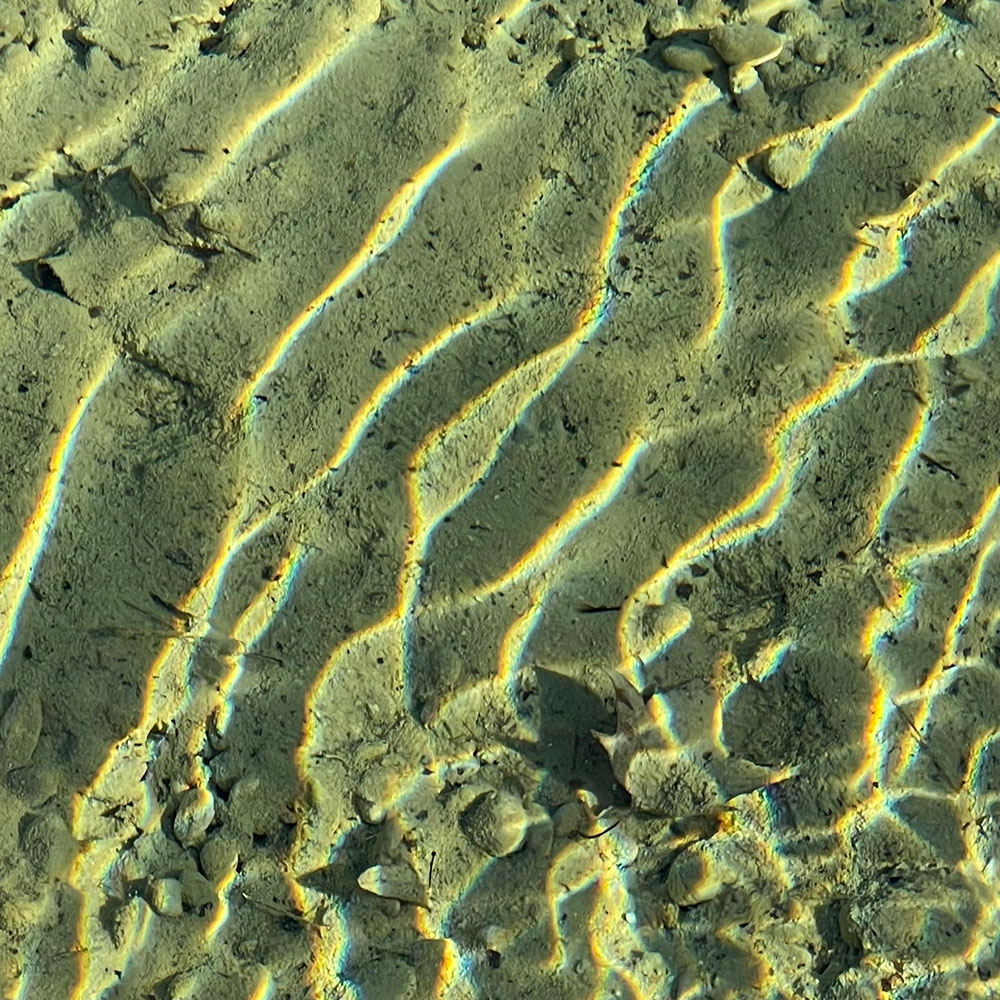
Győző Sárkány’s rediscoveries, based on latent documents, reflect micro-histories in nature. The rhythmic order of a series of images creates a harmony of our world that cannot be put into words. Not by their form, but by their colour, these photographic prints are clearly distinctive. The harmony of editing rather than highlighting creates a balanced series of images, even though the compositions are filled with many shades of colour. There is no tightness, no tension in otherwise very different images. This is how he achieves a simultaneous impact on our visual and aesthetic senses in this flow of images. The fragmented human existence needs introspection. Our over-planned, designed environment is distorted. With these works, Győző Sárkány warns us that without analysis, the human world will not change. Look for the beauty in the details and then a lucky constellation of things can come together.
When creating with the computer, the view is always captured in the inspired moment in which the shape allows the unfolding and revealing of great connections and secrets. It illuminates the eternal problem of time and timelessness before us. It tests our imagination, blurs the contours of reality, then, revealing a rich imagination, connects the series of images one after the other with subtle joints, leaving us to choose the layers of imagination and reality in which we wish to immerse.
János Cs. Tóth art historian