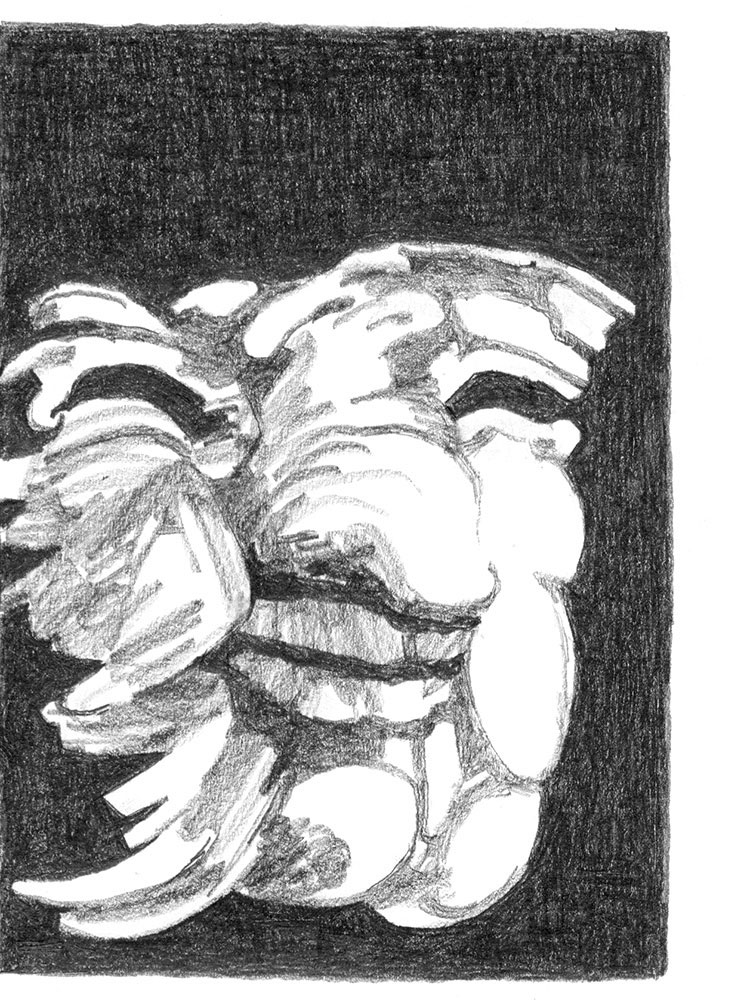
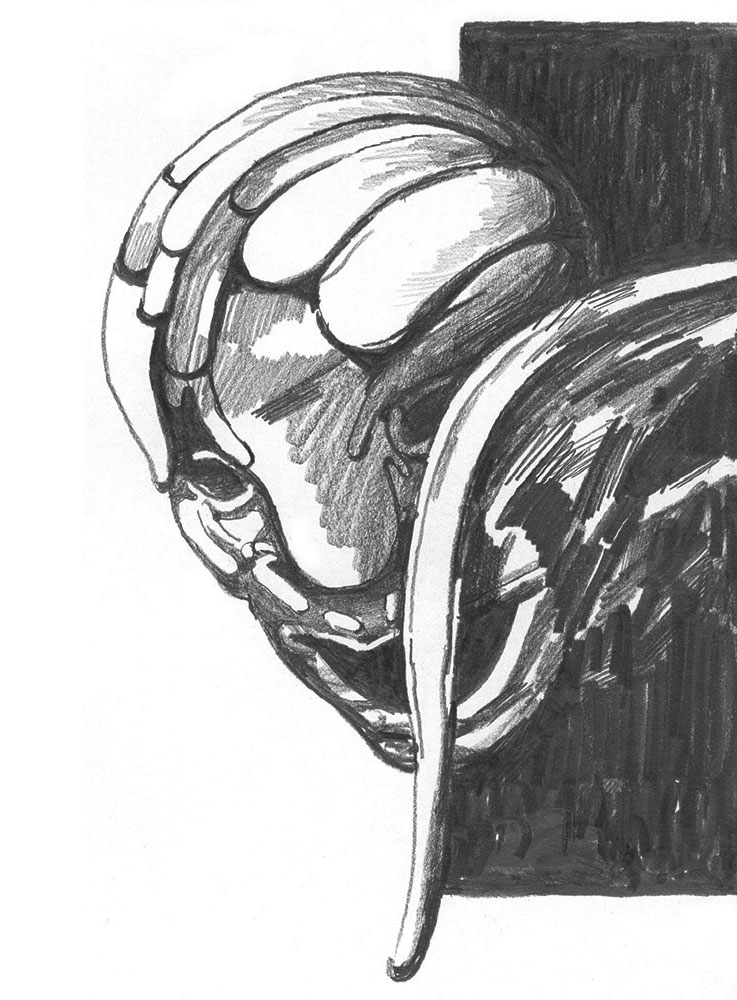
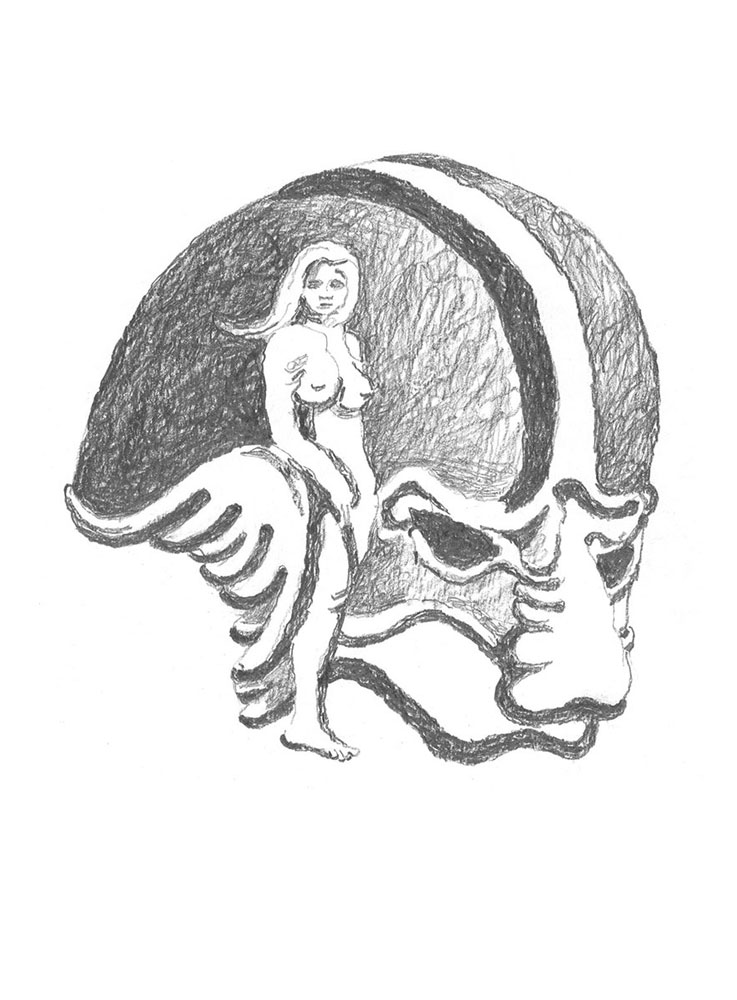
Győző Sárkány is a contemporary creator applying the original, ancient ritual interpretation of the mask (i.e. the mask is identical with reality), and stepping out of the personal shell through the masks, he searches for the general, the universal, the eternal.
The masks out of the personal shell in search of the universal, the universal, the universal, eternally valid. While creating these graphics, he reproduces the moment that the makers of these masks may experience during magic rituals, as well as the wearers of the masks during ritual role plays.
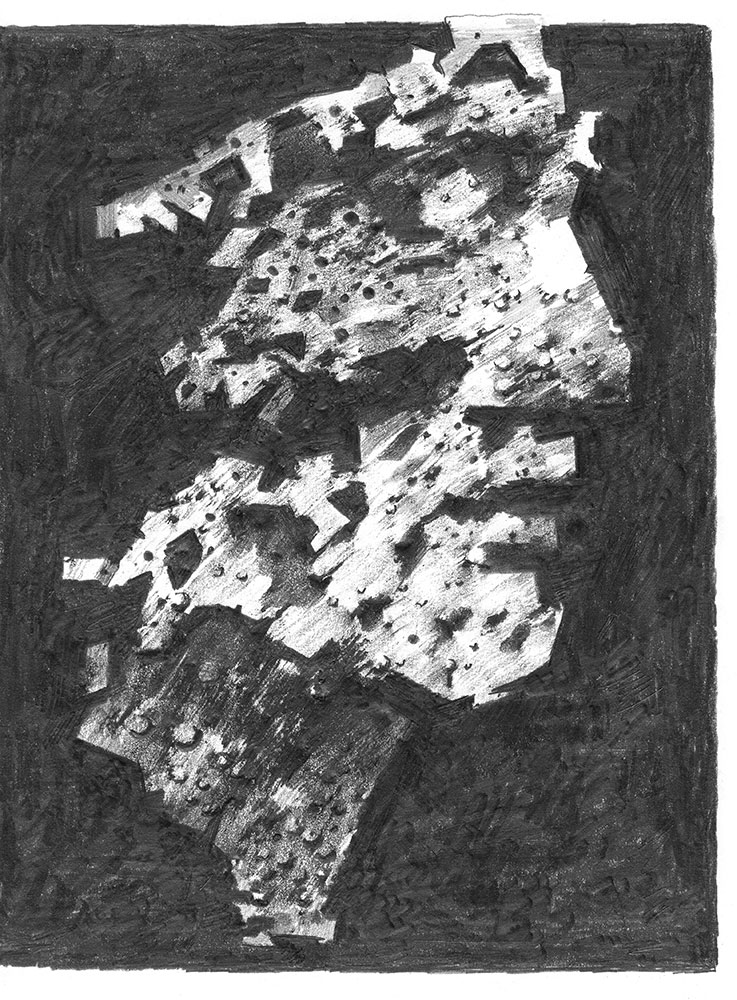
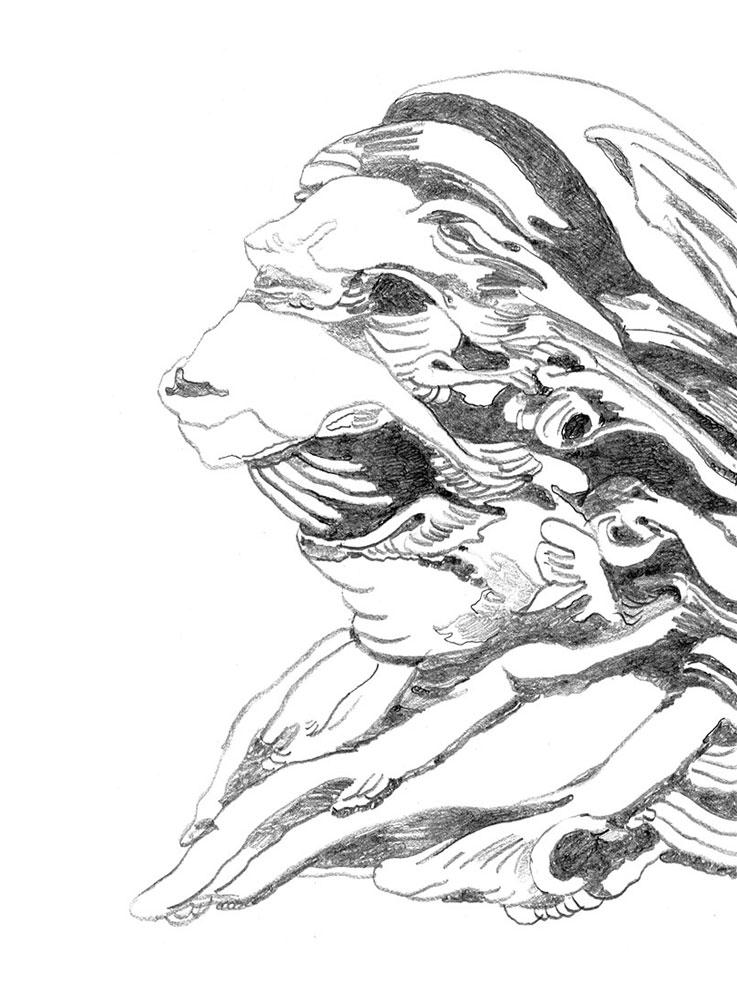
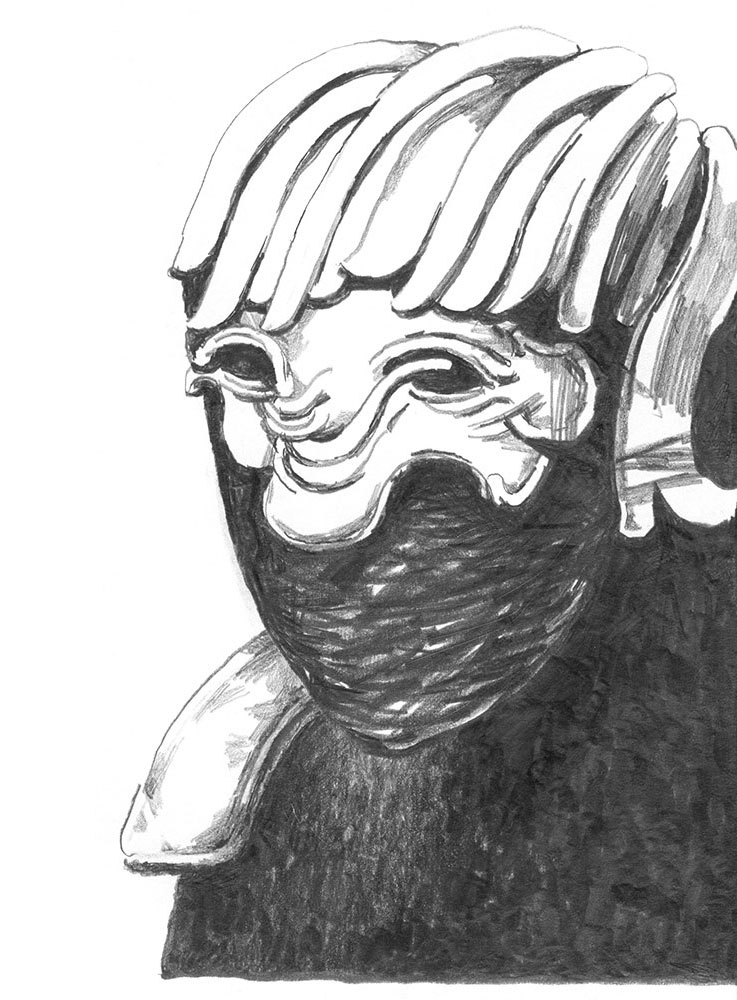
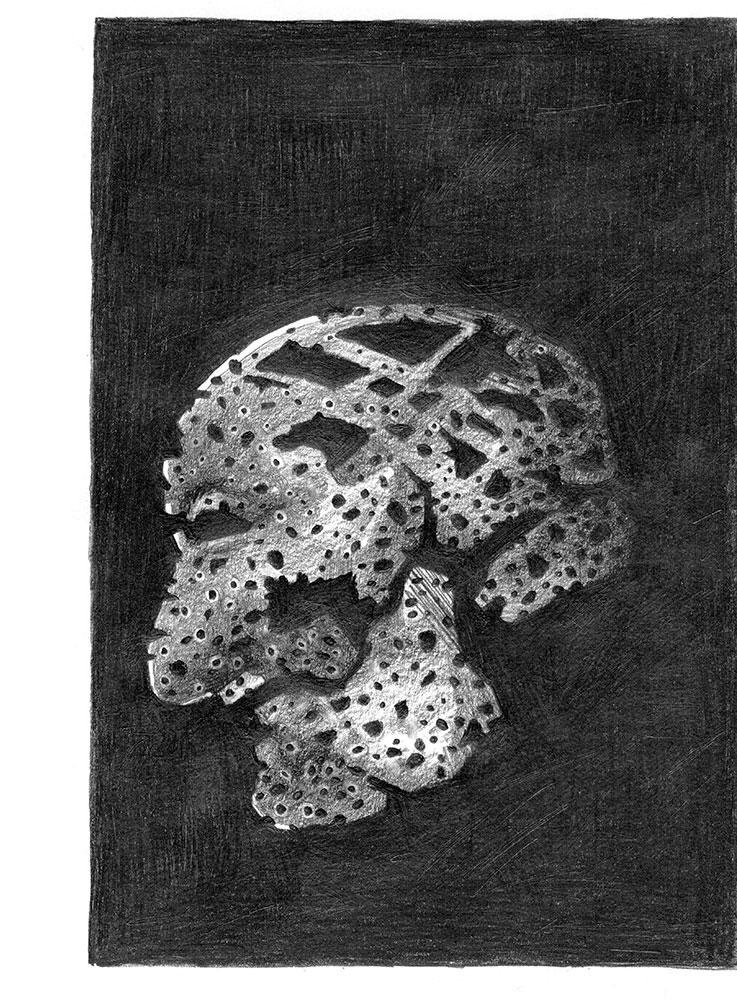
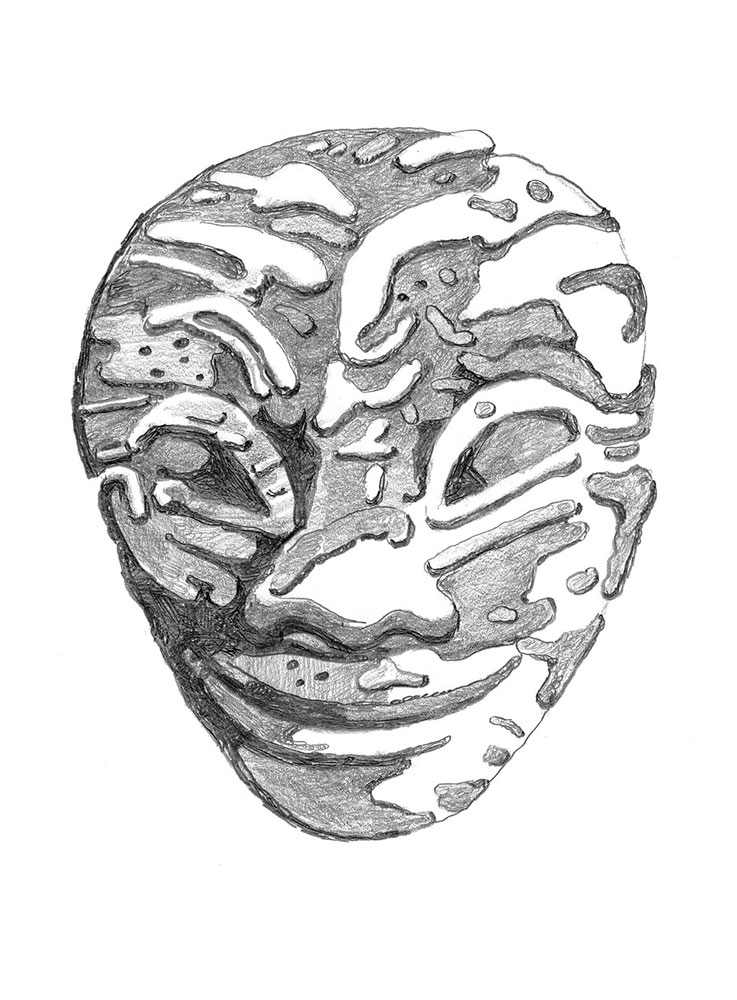
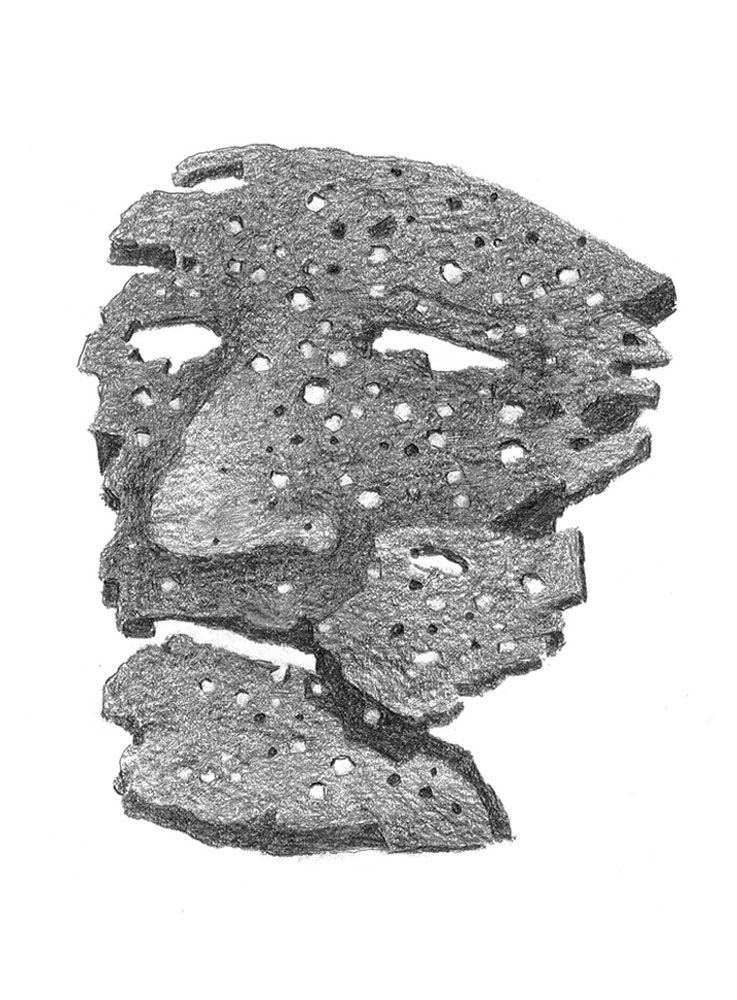
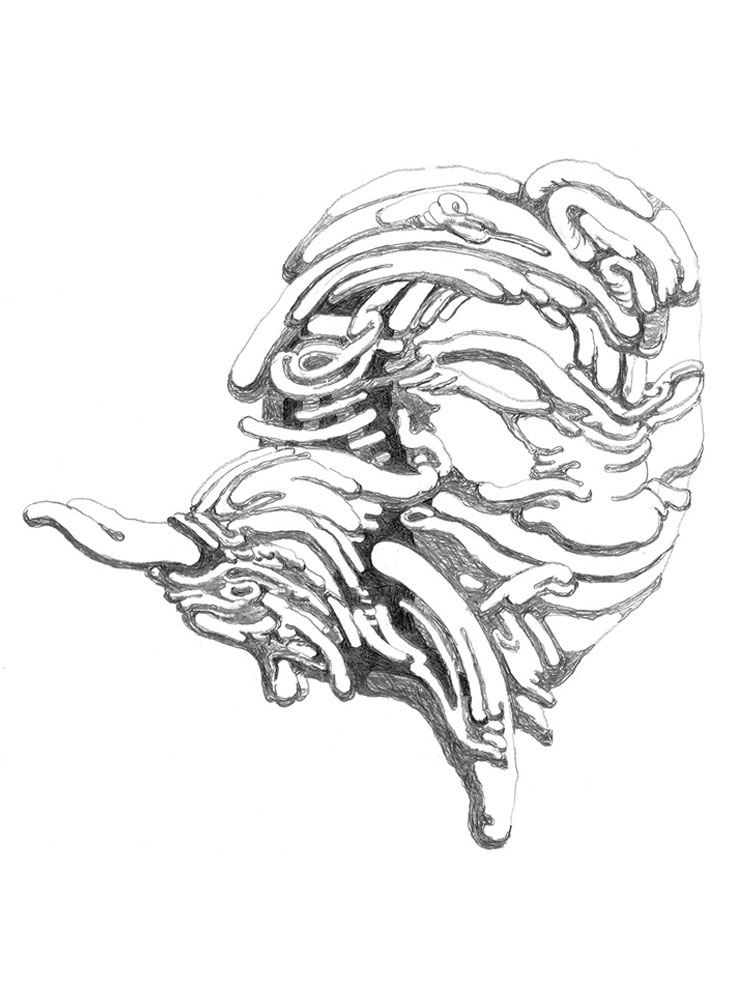
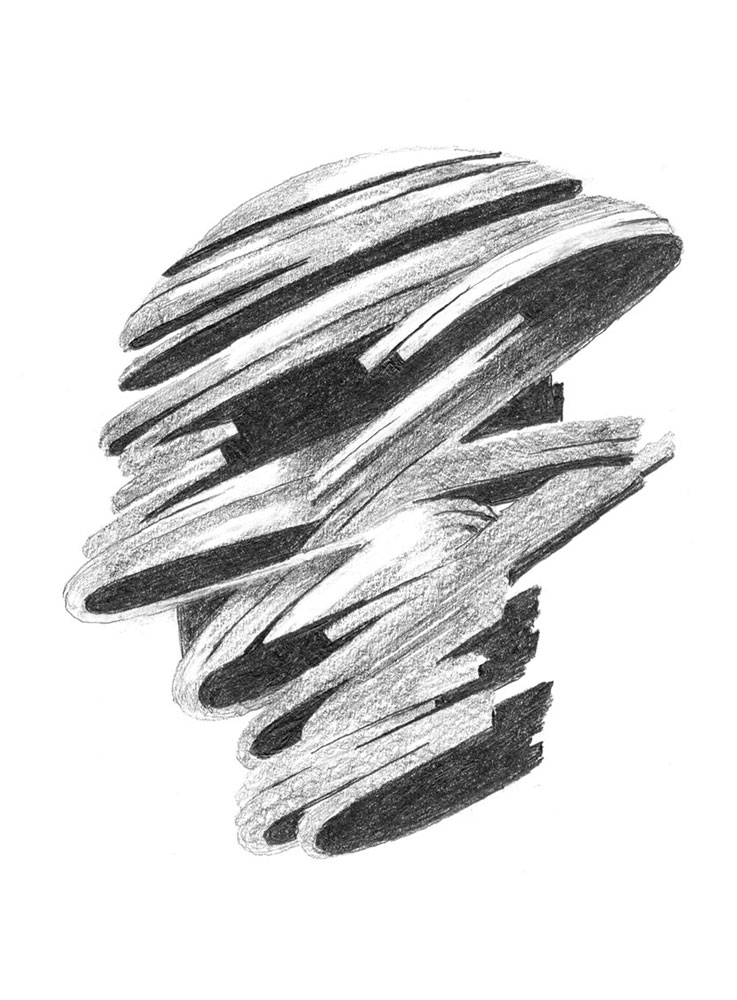
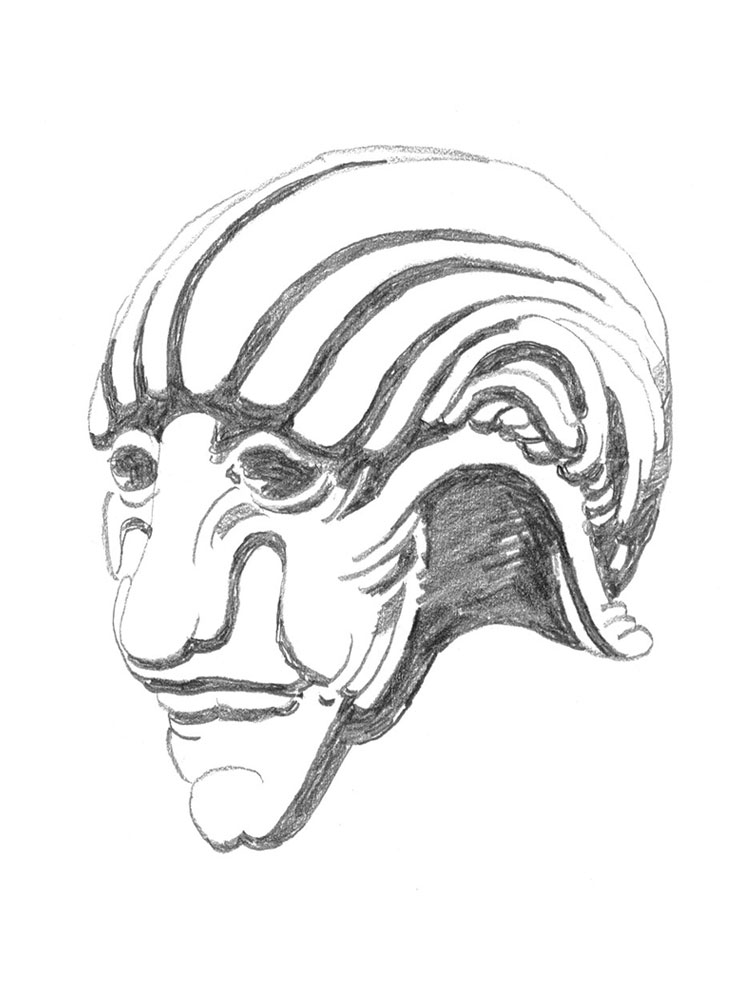
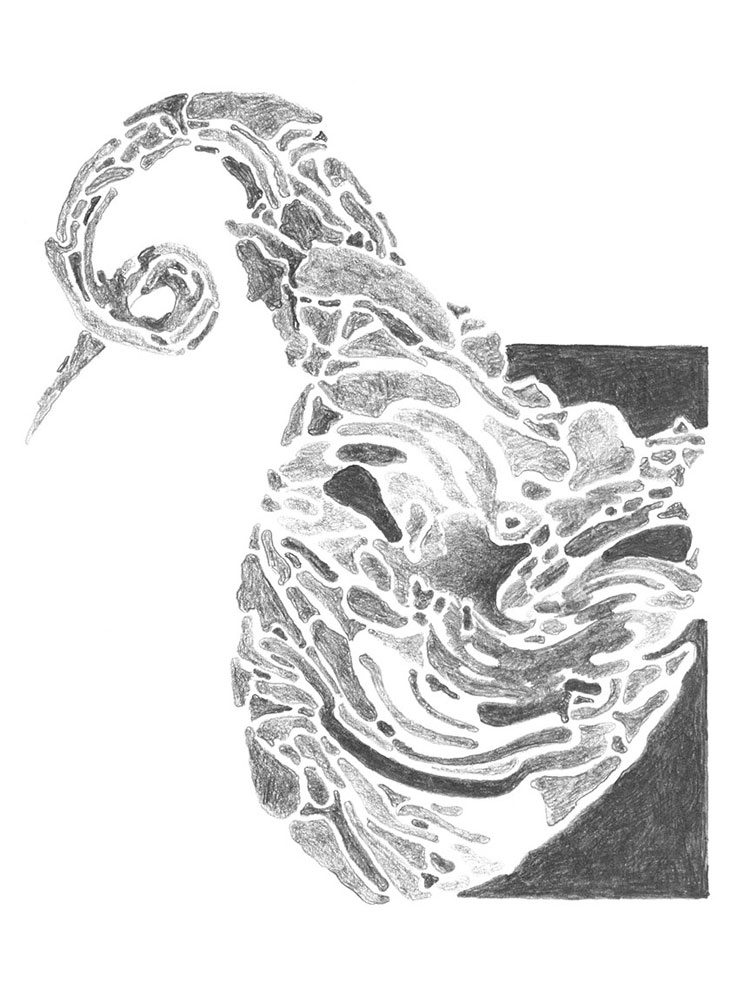
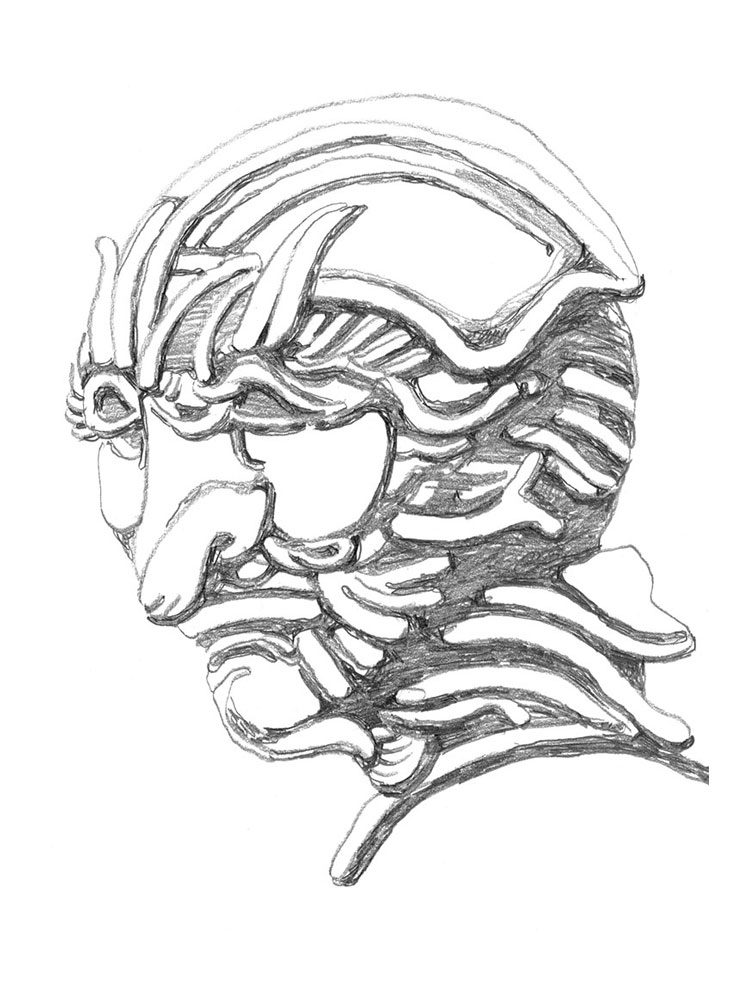
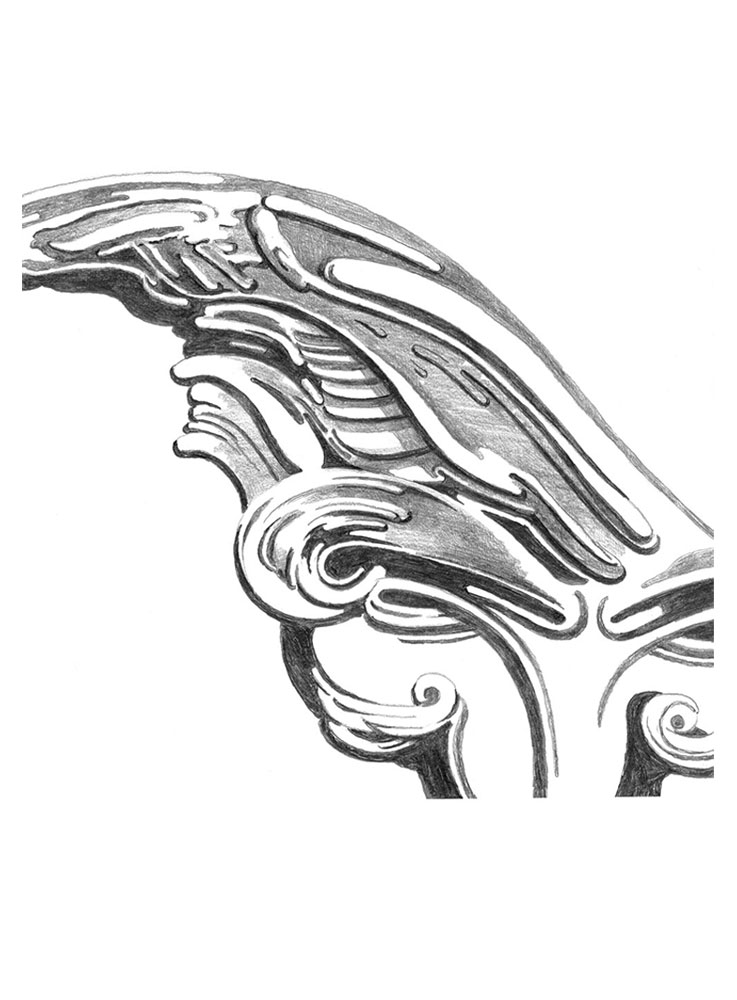
He composes using two basic building elements, and these define two basic types. The first is a method of building images from tiny, organic-looking, irregular particles that are connected to each other like islands. The resulting masks are associated with surfaces that are randomly formed and shaped by nature. The other group is made up of masks that are built up of clean structural elements that resemble ornamental motifs and are regularly structured. The works that fall into this category can be associated with previously planned and artificial structural construction.
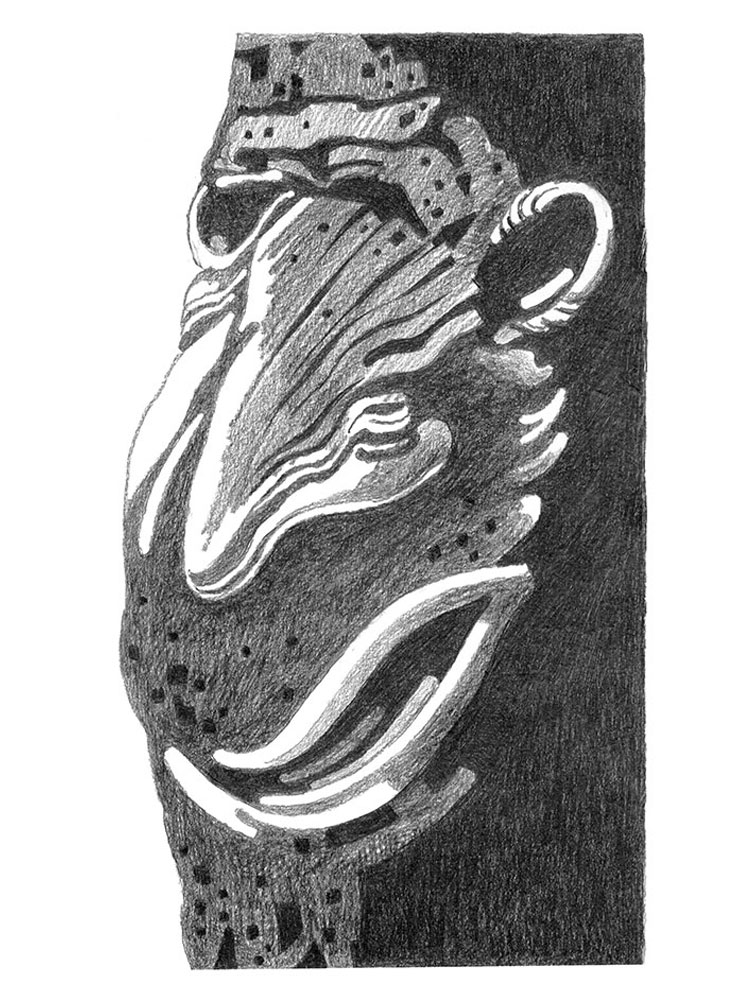
Another important feature of his drawings is time. The passing of time (also) leaves its mark on the face, deepening its traces slowly, almost imperceptibly for us. There are masks in which he uses the subtle tones of pencil to create archaic factures, displaying fossil-like facial forms. At this point, faces emerge from the fragmented surfaces like pieces of solidified lava or traces of time left on the surface of ancient fossils. At the same time, the mask can also be interpreted as a metaphor for the permanence inherent in eternal transformation. This approach to content is supported by the way the masks are displayed. Displayed on the white surface of the paper, or sometimes against a background whose colour is uniformly dark, the masks float independent of time and space, in an almost empty, metaphysical space. The sense of permanence is mostly suggested by masks reminiscent of idols, oozing eternal immobility and unshakable calm.
Judit Szeifert art historian