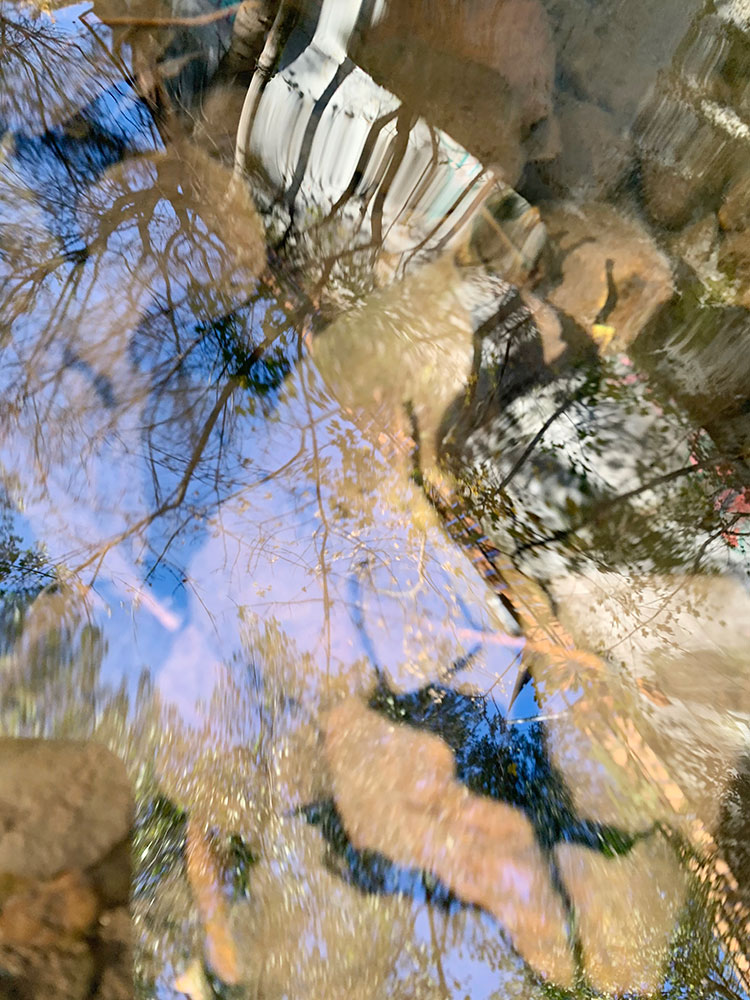
Infinite comedy
The location of Győző Sárkány’s photographic compositions is the Bükkös brook in Szentendre, which has expanded into the embodiment of all real and imagined waters during quiet walks with its gentle meanders, reefs of rocks and pebbles, lights glistening on the water surface, branches and leaves drifting away. It turned from a stream into a spring, to a lively river, to a majestic sea, to paradisiacal rivers sparkling with the water of life – to Styx, who takes Kharon’s boat to the underworld, or to Lethe, who brings oblivion. These particular transformations are brought to life in the images with a rich symbolic language, evoking Dante’s work along with the forgotten and then reborn stories of antiquity, the Middle Ages, the Renaissance and later centuries.
The characteristic motifs of the compositional structure of the photographs in the series are the various effects of light, the reflection and transparency of water, the formal play of drift and ripple, and the peculiarities of the changes in the state of the water following the weather. Most of the formations on the surface of the water evoke associations of organic, but sometimes almost geometric abstract images. The water that shapes the banks of the stream, drifting around its carriers and carrying them away, is particularly in line with the artist’s artistic perception. The softly curving, elusive, translucent water, which cannot be forced into rigid forms, can already be grasped as ice. Hard but fragile, it encloses leaves and branches that have fallen into its bed, with air bubbles dotting its surface.
The structure of the water images, formed by ripples and refractions, and the splashes of colour, sometimes almost reminiscent of watercolour, at other times recall the lines of the artist’s richly curved drawings. It is as if the familiar drawings of animal figures, monsters, masks, torsos, monoliths, hidden in the natural image, were to appear and immediately blend into the constant movement.
Ildikó D. Udvary art historian
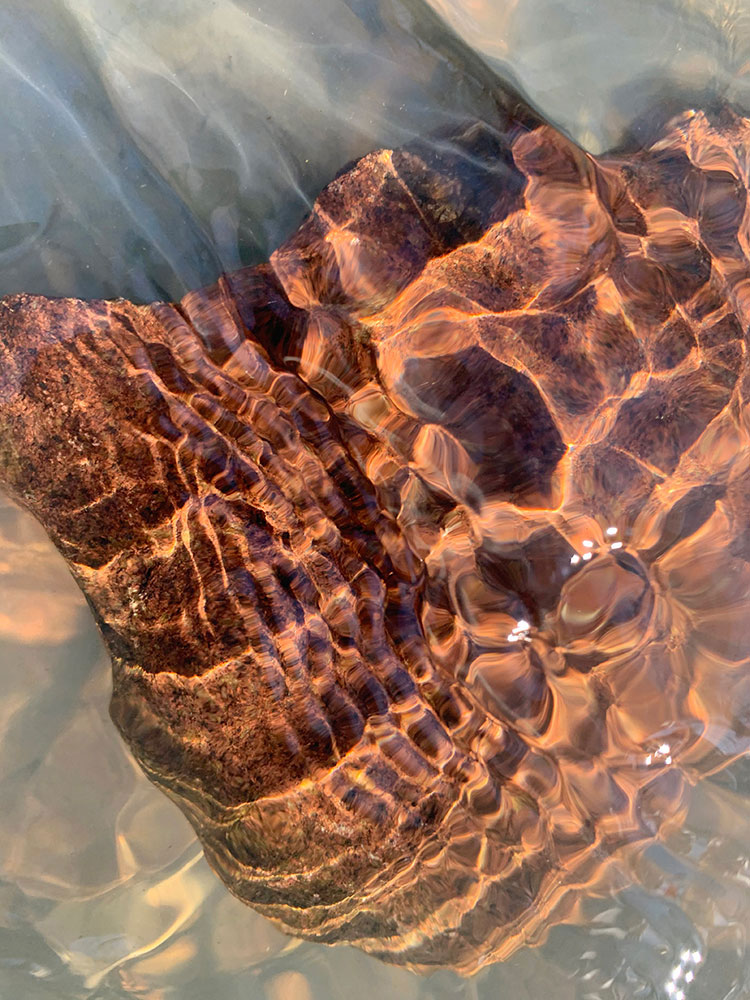
Táguló Zikkurát ▪ Expanding ziggurats, 2022
papír, lemezlitográfia ▪ paper, plate lithography ▪ 70×50 cm
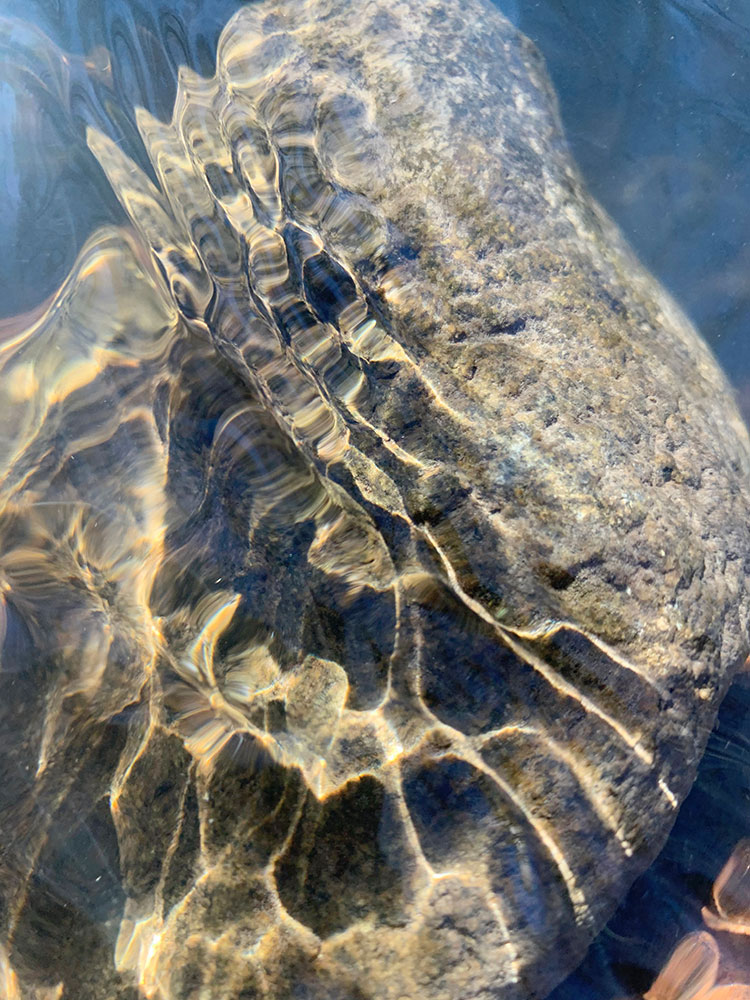
Ephialtész árulása ▪ The betrayal of Ephialtes, 2022
papír, lemezlitográfia ▪ paper, plate lithography ▪ 70×50 cm
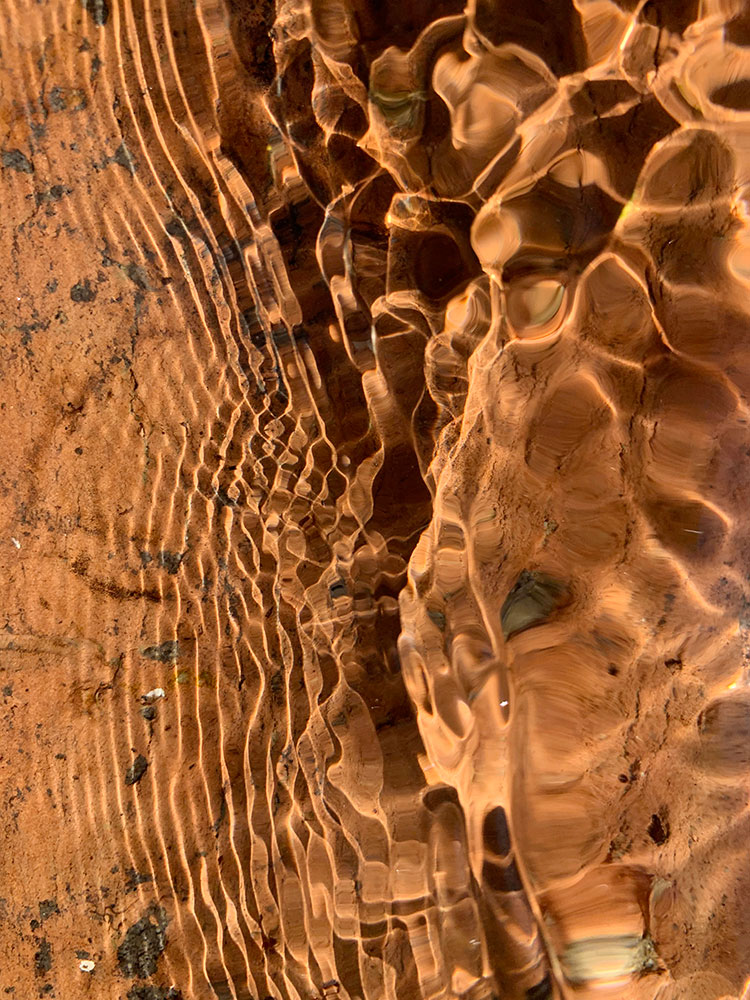
Inferno, 2022
papír, lemezlitográfia ▪ paper, plate lithography ▪ 70×50 cm
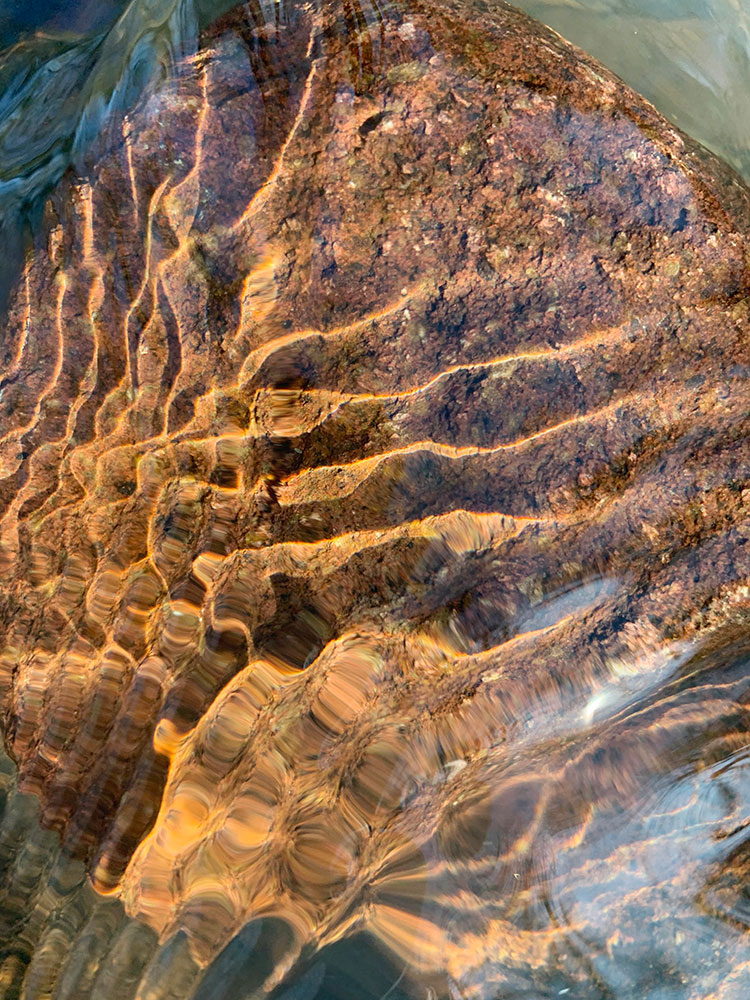
Antik fétis ▪ Antique fetish, 2022
papír, lemezlitográfia ▪ paper, plate lithography ▪ 70×50 cm
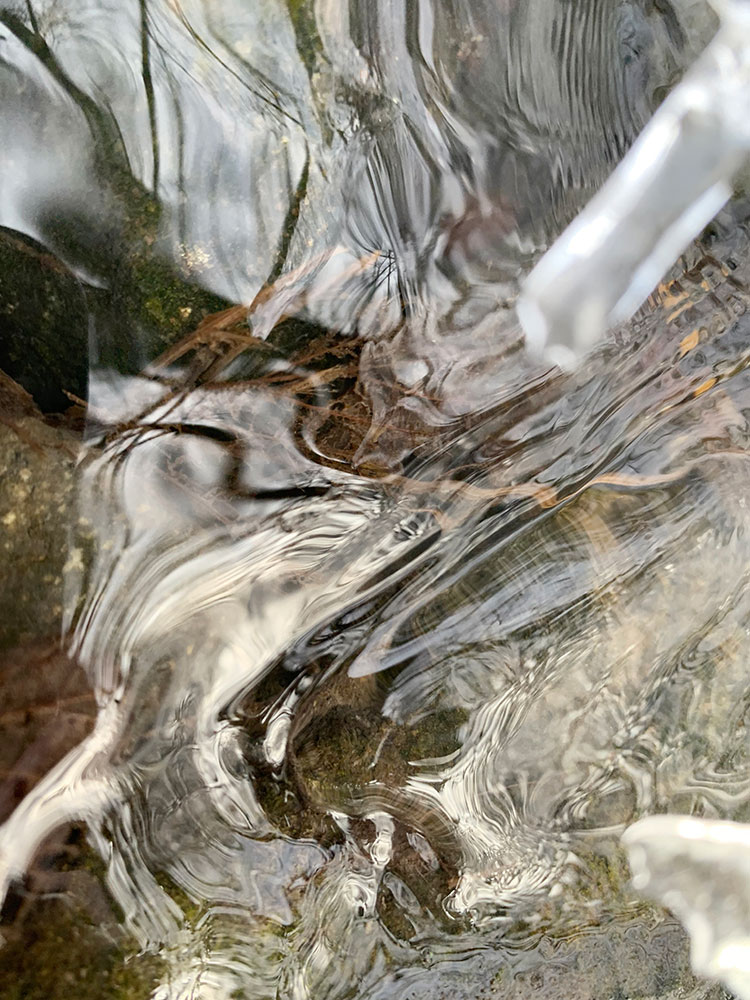
Kánonképződés ▪ Canon formation, 2022
papír, lemezlitográfia ▪ paper, plate lithography ▪ 70×50 cm
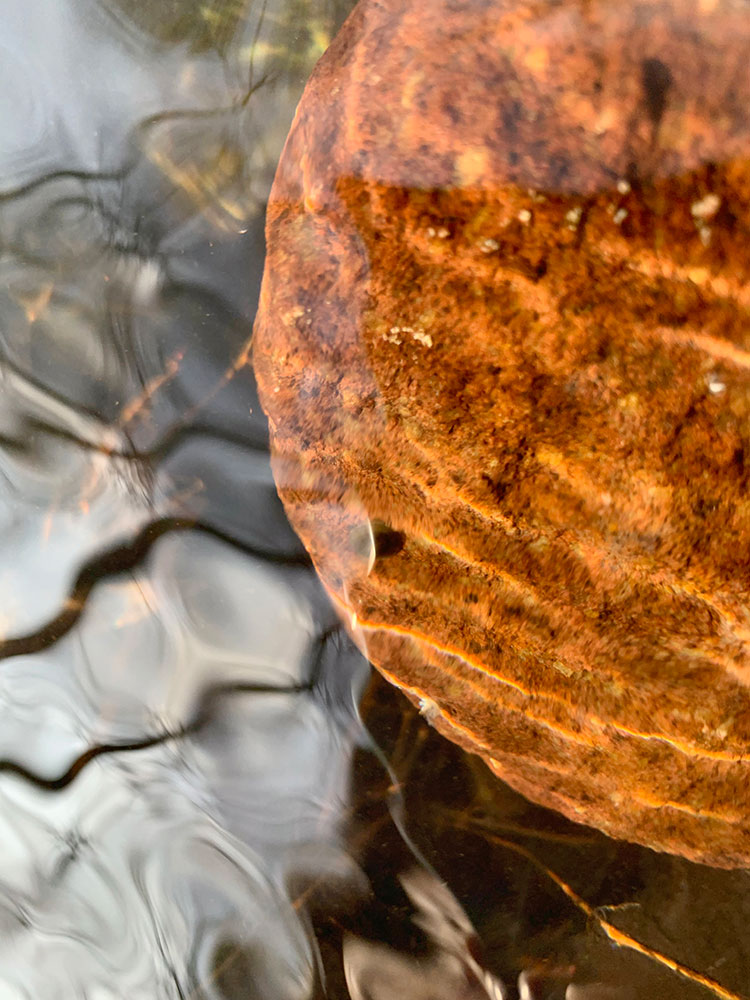
Apokaliptikus folyamat ▪ Apocalyptic process, 2022
papír, lemezlitográfia ▪ paper, plate lithography ▪ 70×50 cm
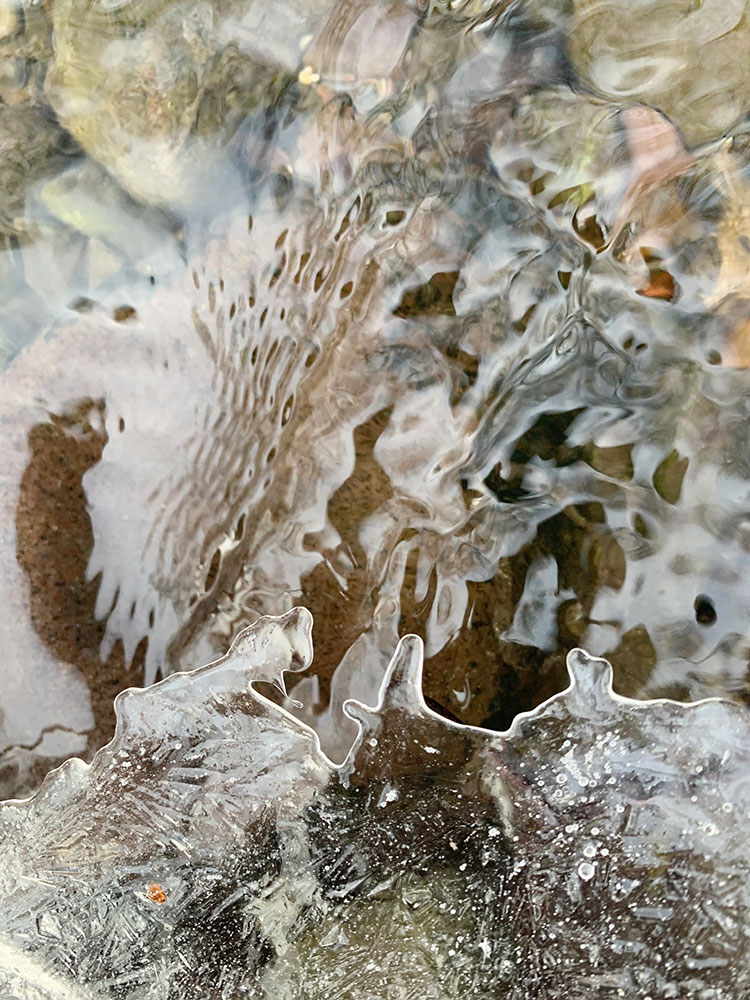
Metal texture, 2022
papír, lemezlitográfia ▪ paper, plate lithography ▪ 70×50 cm
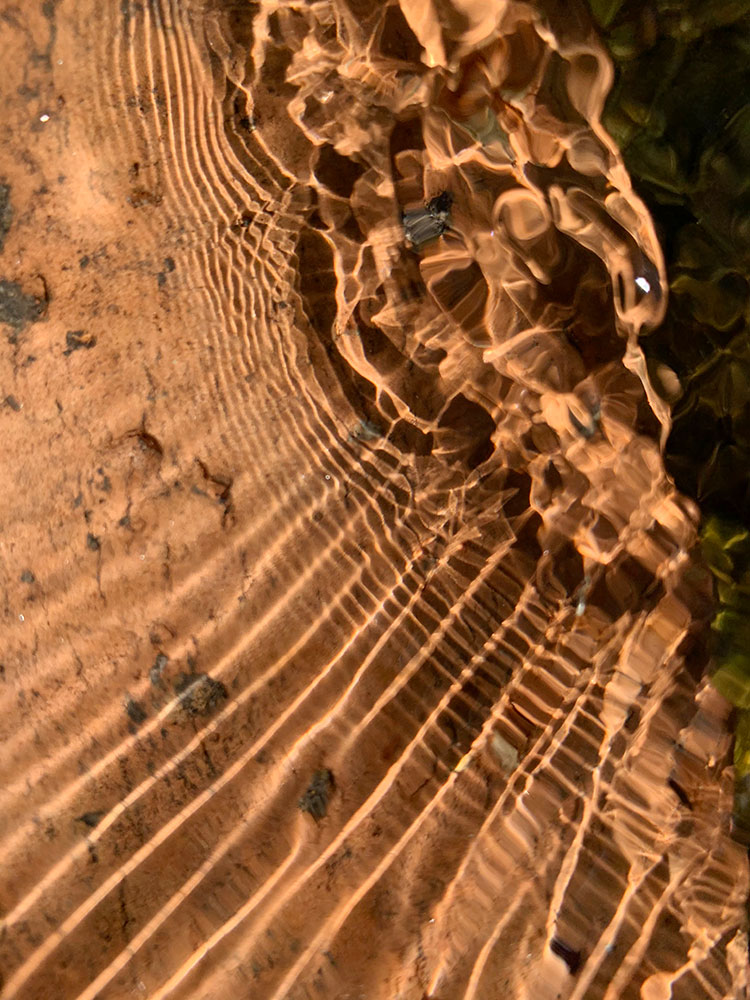
Démonstruktúra ▪ Demon structure, 2022
papír, lemezlitográfia ▪ paper, plate lithography ▪ 70×50 cm
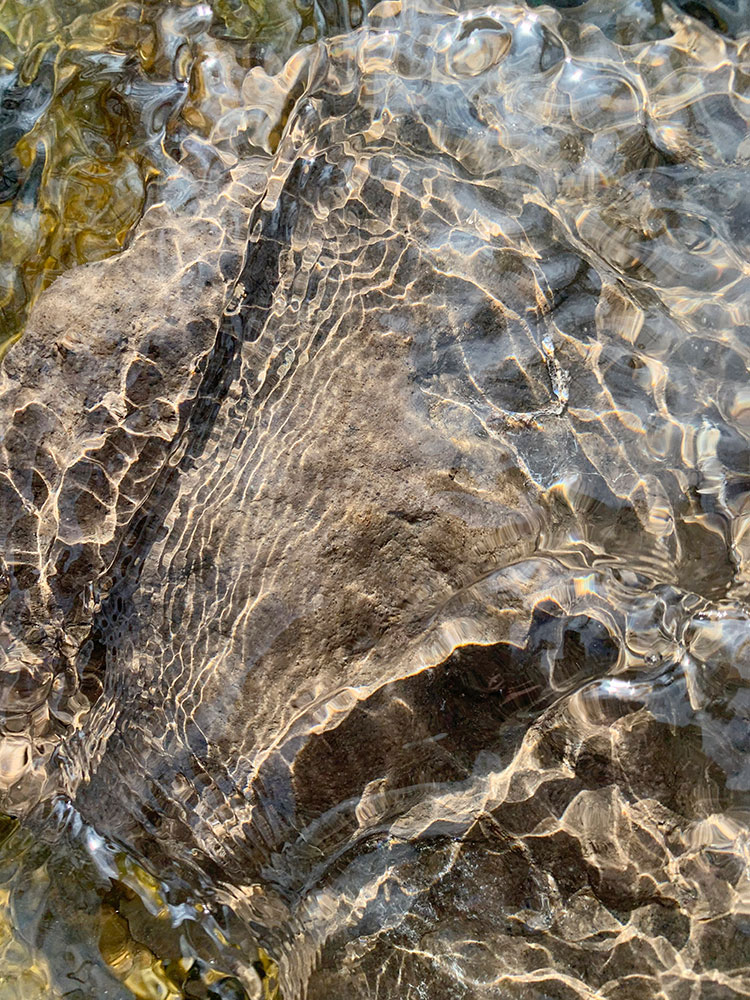
Purgatórium ▪ Purgatory, 2022
papír, lemezlitográfia ▪ paper, plate lithography ▪ 70×50 cm
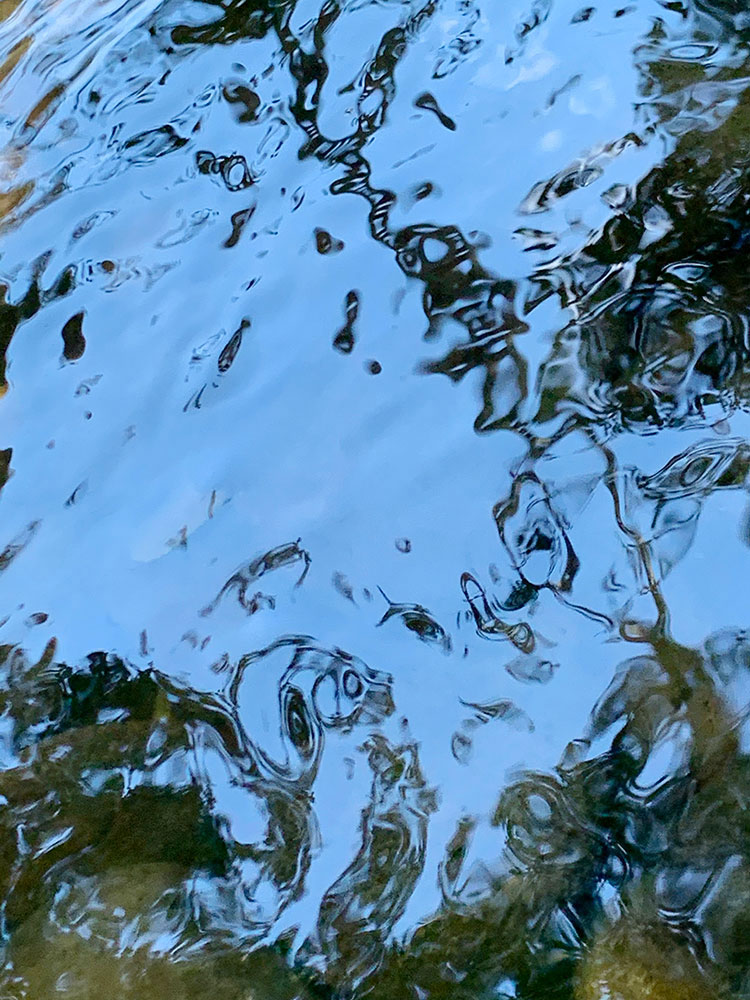
Orákulum ▪ The oracle, 2022
papír, lemezlitográfia ▪ paper, plate lithography ▪ 70×50 cm
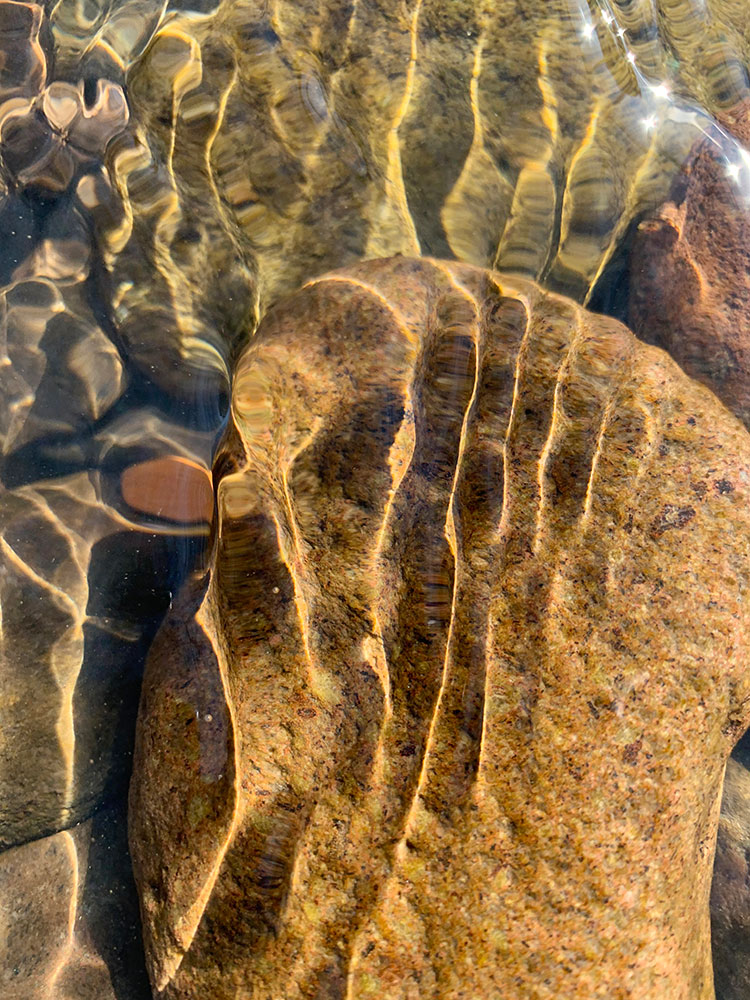
Xerxész vágya ▪ Xerxes’ desire, 2022
papír, lemezlitográfia ▪ paper, plate lithography ▪ 70×50 cm
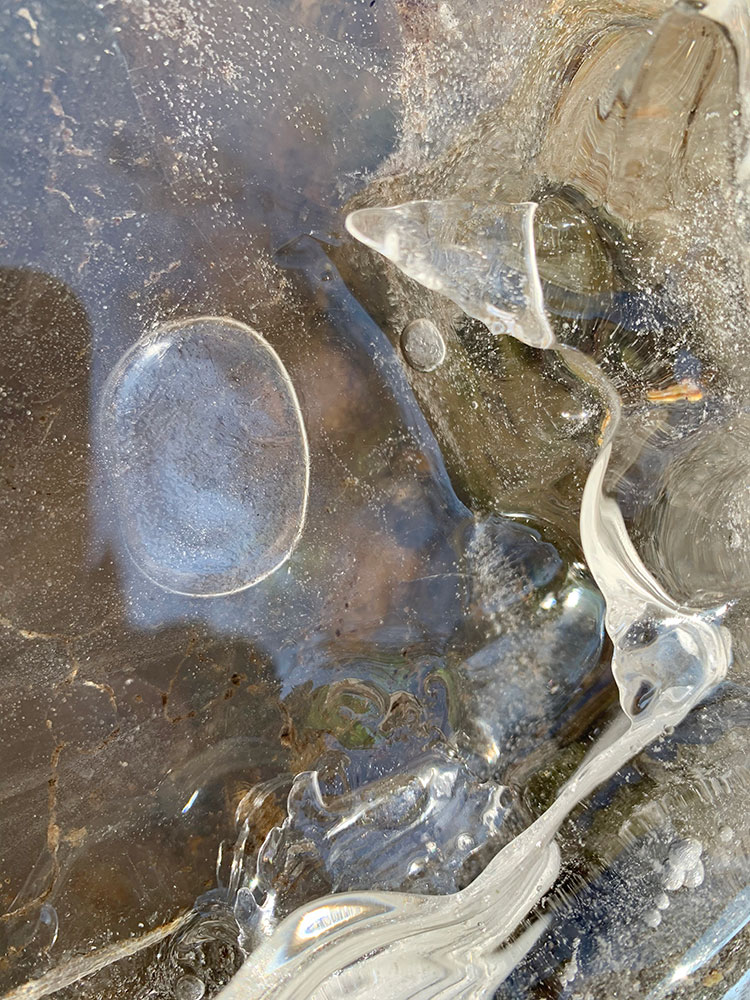
Kandinszkij adat ▪ Kandinsky data, 2022
papír, lemezlitográfia ▪ paper, plate lithography ▪ 70×50 cm
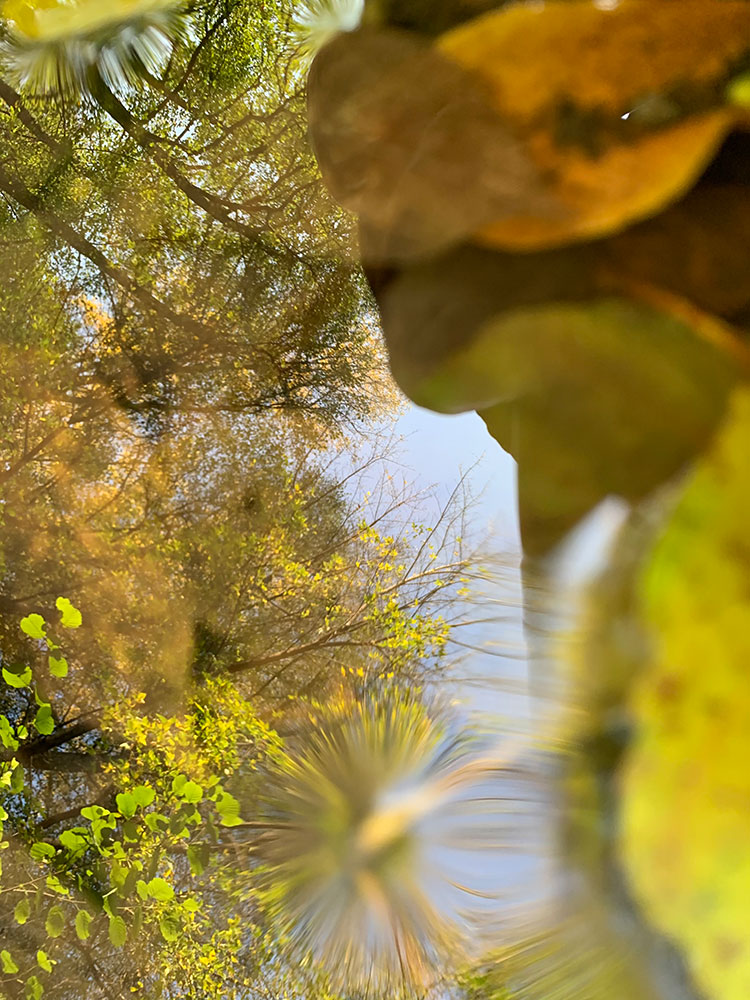
Irányított pillanat ▪ Controlled moment, 2022
papír, lemezlitográfia ▪ paper, plate lithography ▪ 70×50 cm
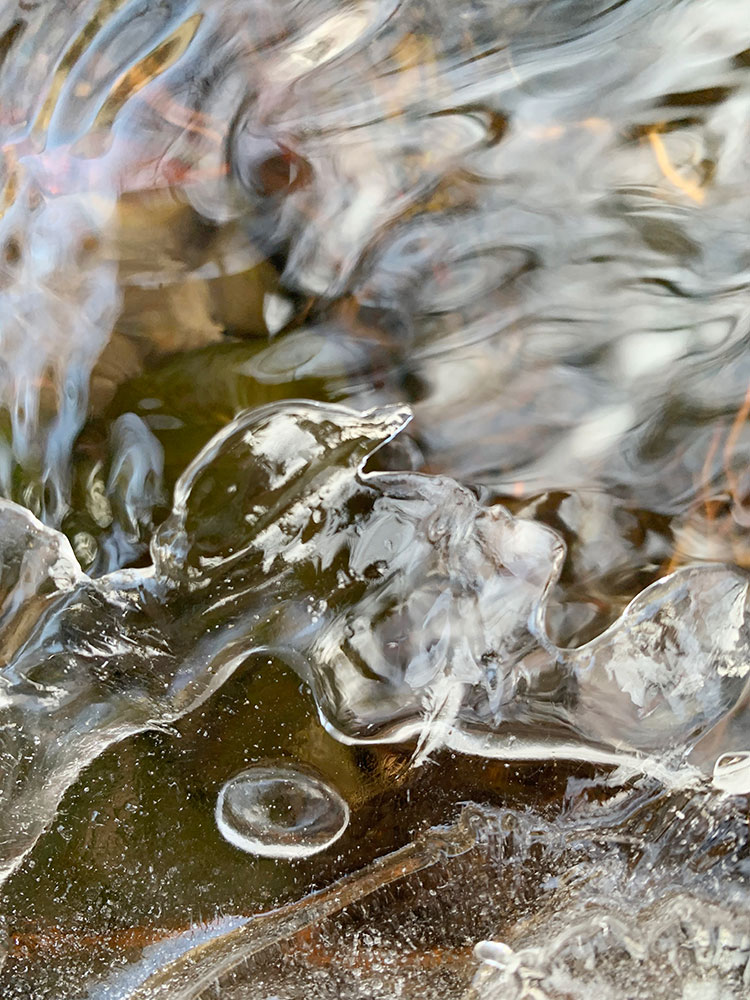
Elvágyódás ▪ Longing to go away, 2022
papír, lemezlitográfia ▪ paper, plate lithography ▪ 70×50 cm
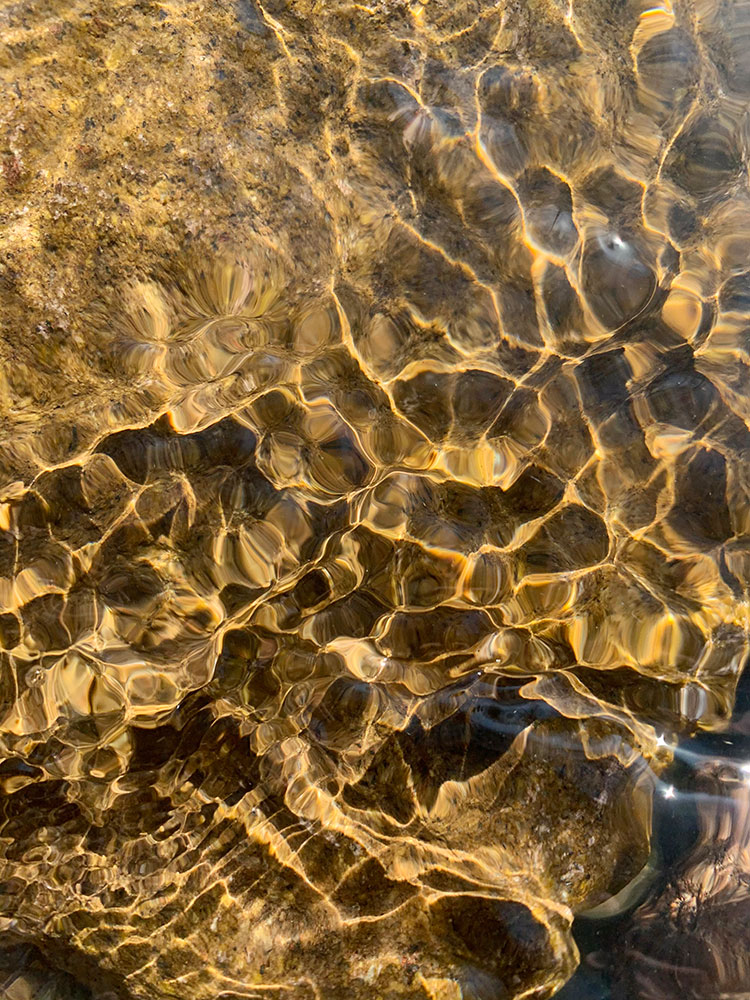
Atlantisz keresése ▪ Searching for Atlantis, 2022
papír, lemezlitográfia ▪ paper, plate lithography ▪ 70×50 cm
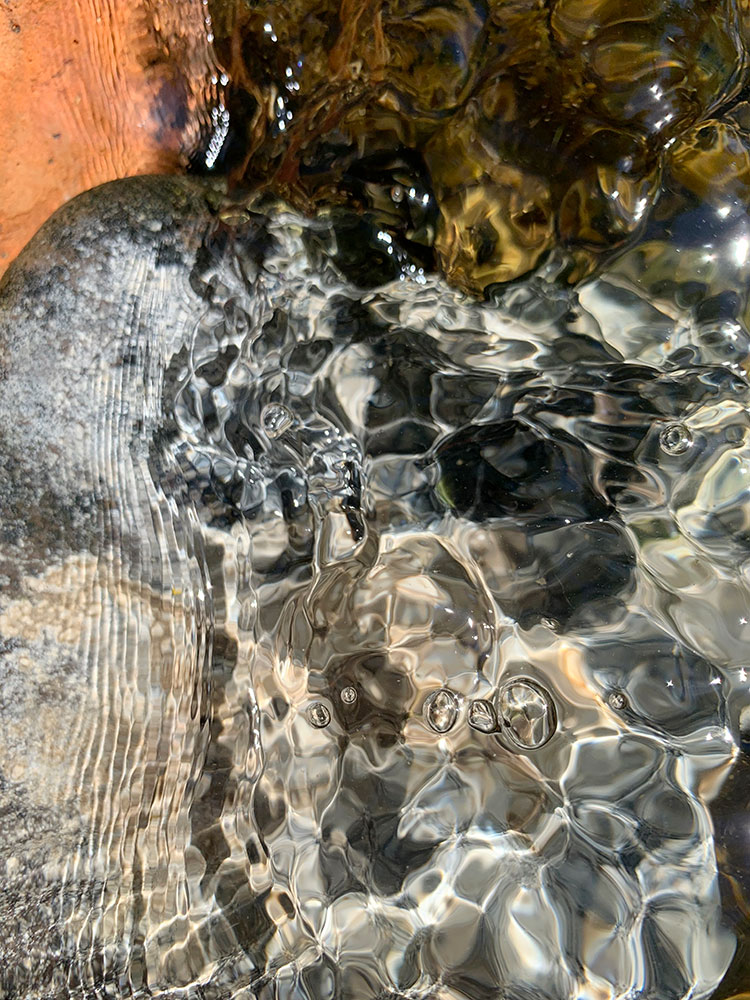
Eseményhorizont ▪ Event horizon, 2022
papír, lemezlitográfia ▪ paper, plate lithography ▪ 70×50 cm
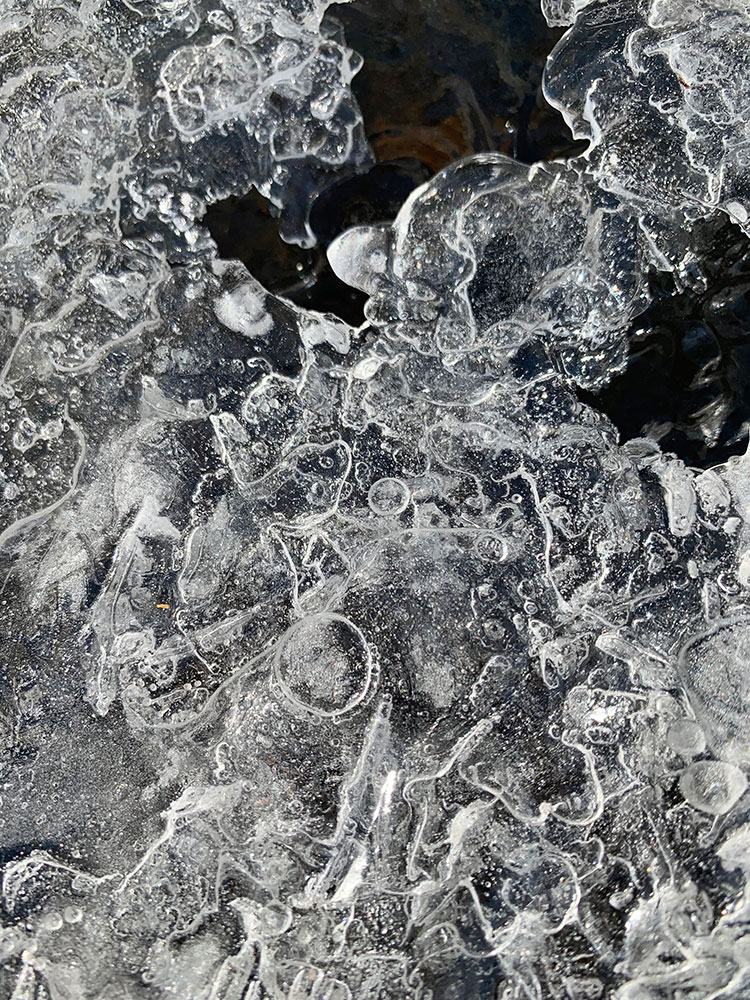
Sötét kombináció ▪ Dark combination, 2022
papír, lemezlitográfia ▪ paper, plate lithography ▪ 70×50 cm
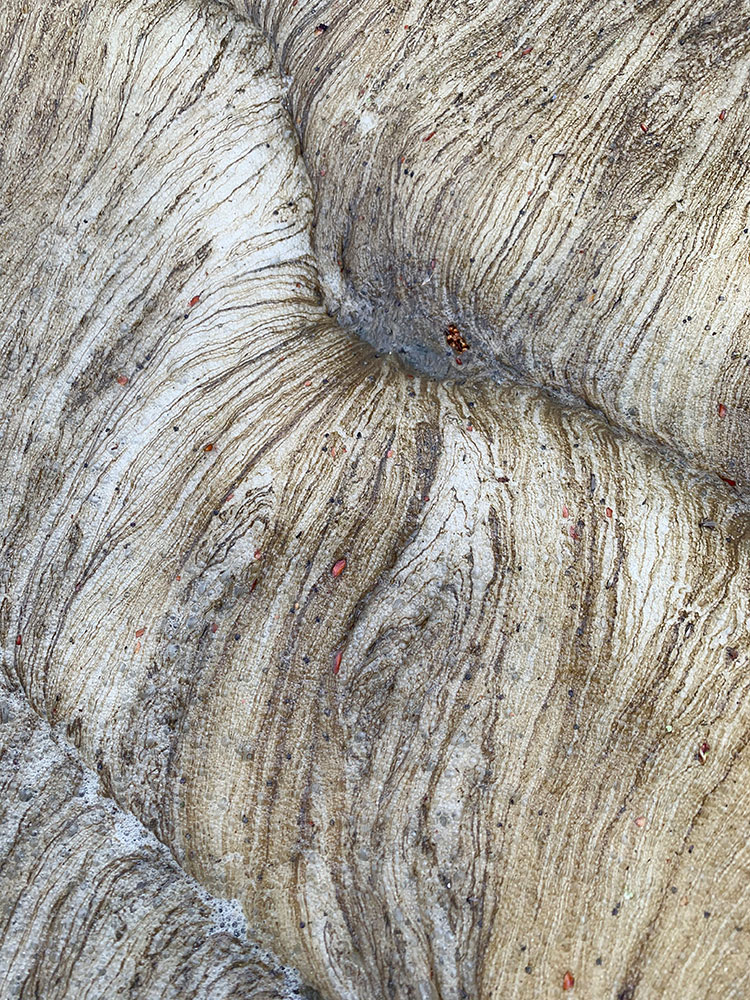
Organikus képződmény▪ Organic organisation, 2022
papír, lemezlitográfia ▪ paper, plate lithography ▪ 70×50 cm
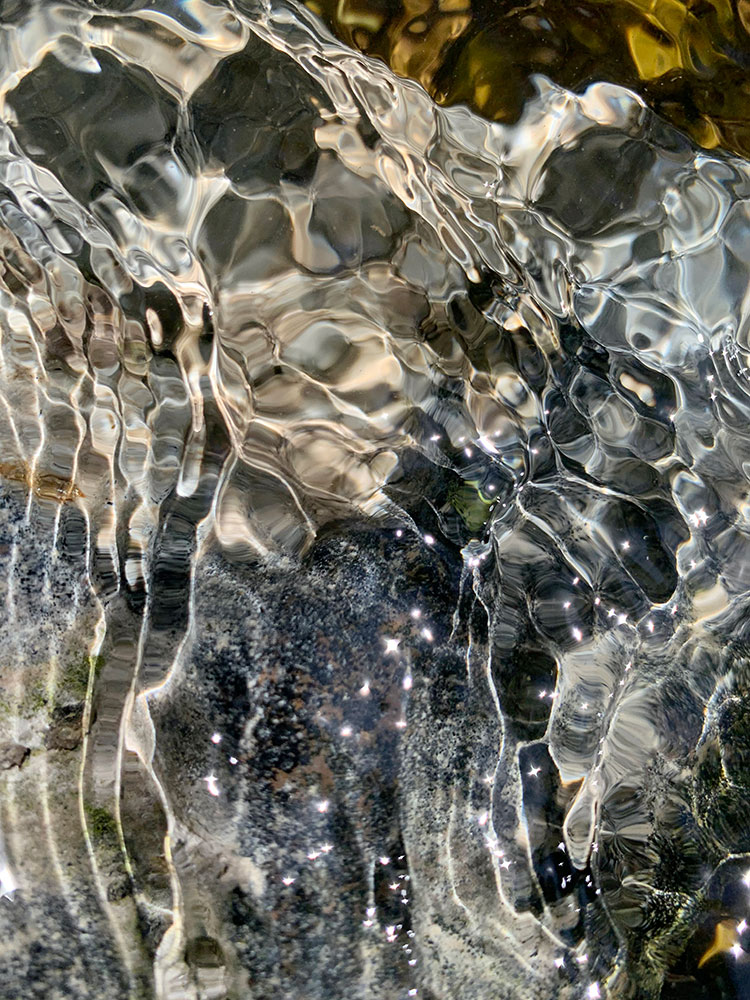
Lélektörő ▪ Soulbreaker, 2022
papír, lemezlitográfia ▪ paper, plate lithography ▪ 70×50 cm
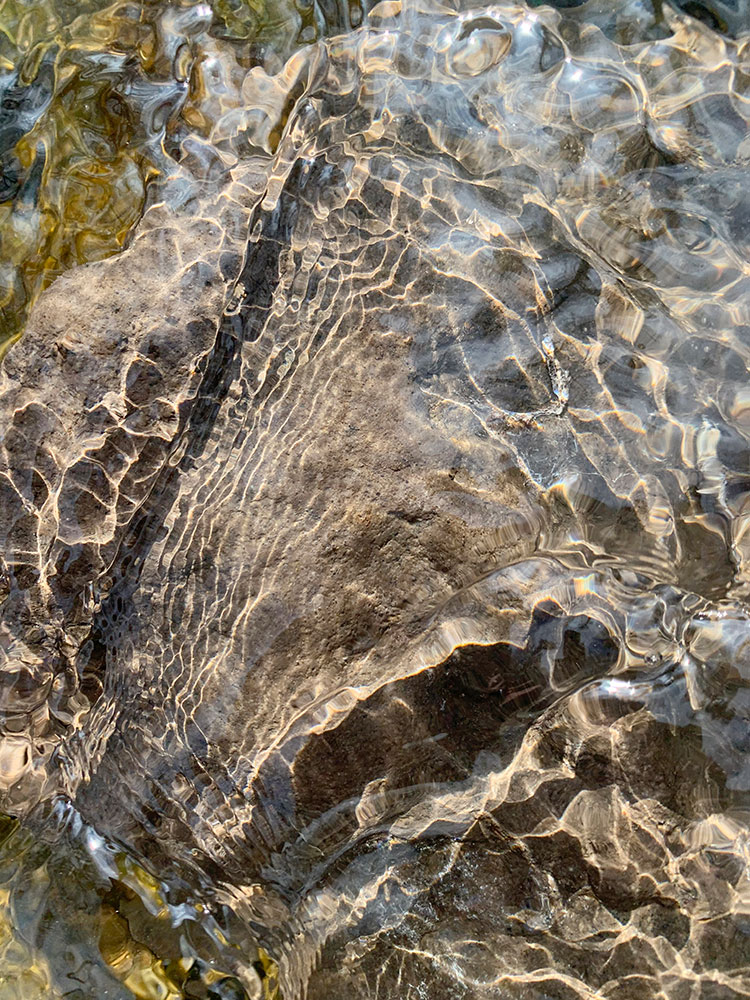
Purgatórium ▪ Purgatory, 2022
papír, lemezlitográfia ▪ paper, plate lithography ▪ 70×50 cm
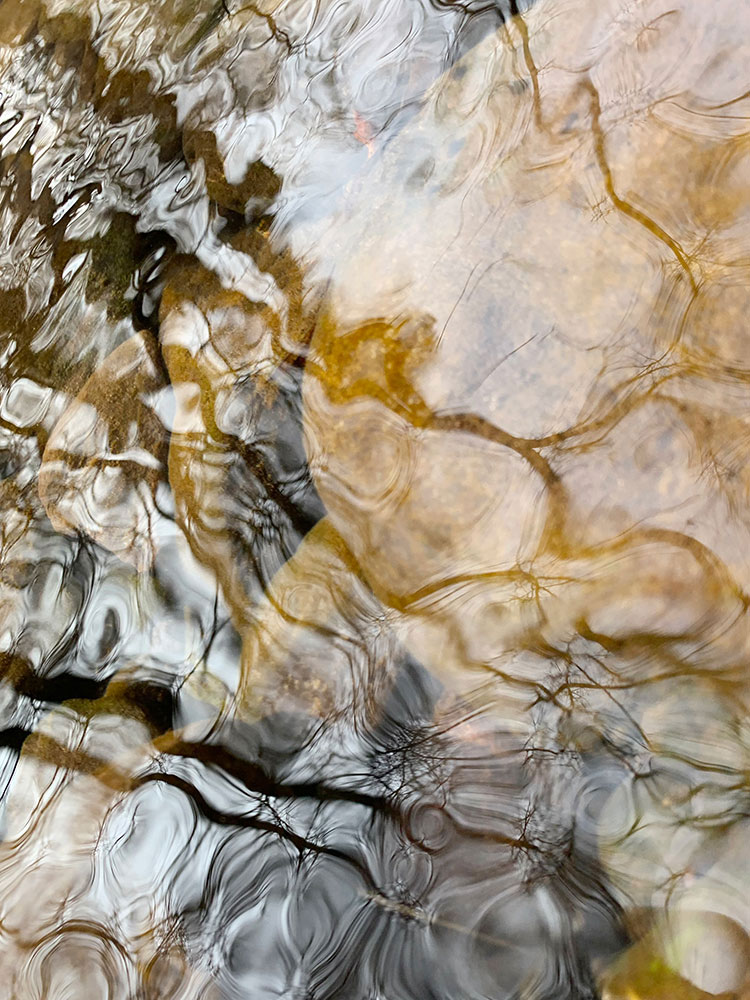
Álomkergető ▪ Chasing dreams, 2022
papír, lemezlitográfia ▪ paper, plate lithography ▪ 70×50 cm
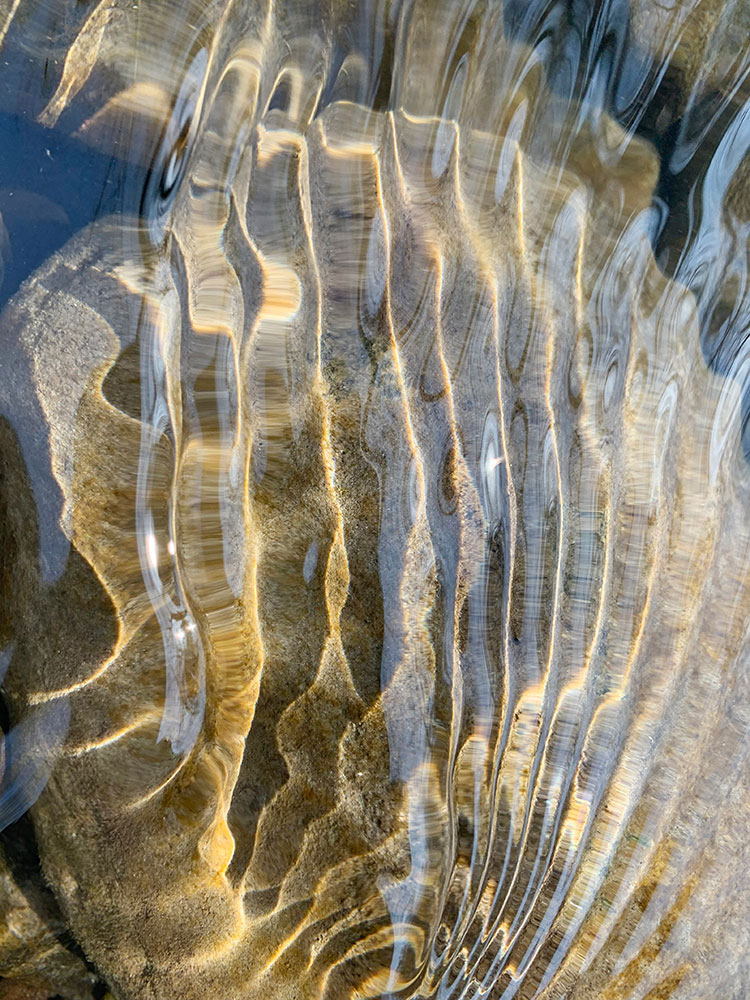
Energia-stressz ▪ Energy stress, 2022
papír, lemezlitográfia ▪ paper, plate lithography ▪ 70×50 cm
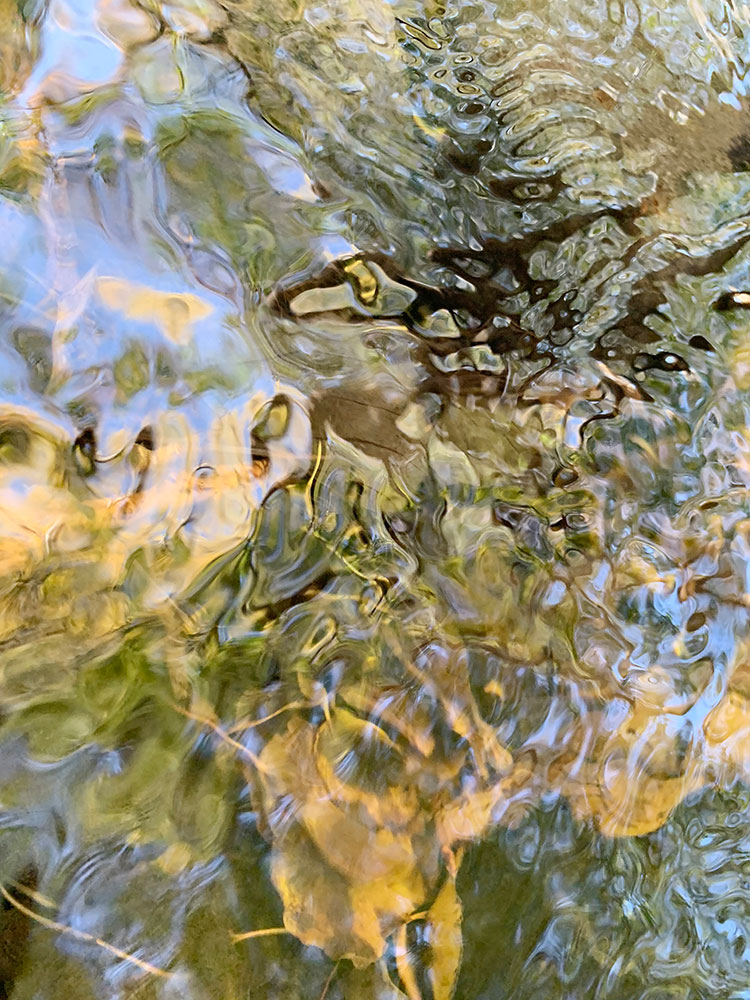
Turner analízis ▪ Turner analysis, 2022
papír, lemezlitográfia ▪ paper, plate lithography ▪ 70×50 cm