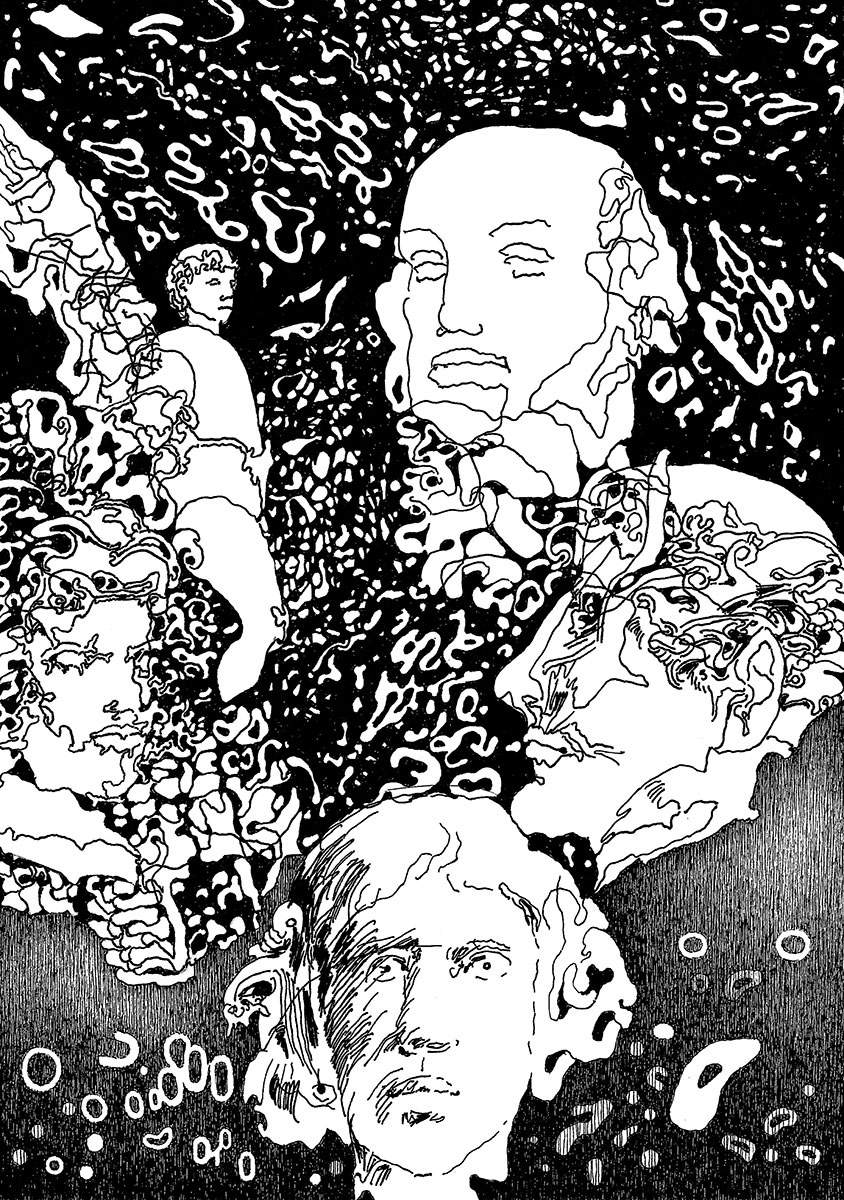
Apocalyptic algorithm
The series of intuitive ink drawings by Győző Sárkány, evoking the Book of Revelation by the Apostle John, shows a formal and spiritual affinity with the series of graphics Bálványok bukása (“Fall of Idols”), inspired by the prophecies of the Book of Daniel, which were published in Fall of Idols in 2017, the 500th anniversary of the Reformation.
This apocalyptic vision is an autonomous visual montage of its own, which, like other series, explores the metaphysical dimensions of existence, time, history and space. The difference is that in the other cases, in keeping with his dominant encyclopaedic, cultural-historical interest, he achieved the interweaving of past and present by paraphrasing art-historical examples, whereas in this ensemble he consciously avoided such quotations. Even so, the figures carry reminiscences of the atmosphere of historical periods. Structured along a careful narrative and precisely sequenced, the works are characterised by the juxtaposition and confrontation of subjective time and historical perspective, alongside a personal, moral aspect. The demonic and angelic figures that unfurl from the continuous lines of the yarn like balls of yarn glide, levitate, rise and fall in the pulsating, swirling tapestry of the background. The endless line run is almost never interrupted, as if the drawings were made in one rush, with unbroken momentum, all at once.
Unravelling the overlapping layers reveals a series of metamorphoses. In some places, the written letter becomes a calligraphic sign, and from it a motif with content. The boundaries between dream and reality become blurred; down and up, far and near become relative. The letter, the writing, the playfully thrown mark are components of similar value as even the meticulously executed faces.
Győző Sárkány’s apocalyptic algorithm is the result of understanding and clarifying a process. In a step-by-step, unified intellectual-visual structure, we gain insight into the graphic credo of an artist who explores questions of existence, morality, history and art.
Róbert Nátyi art historian
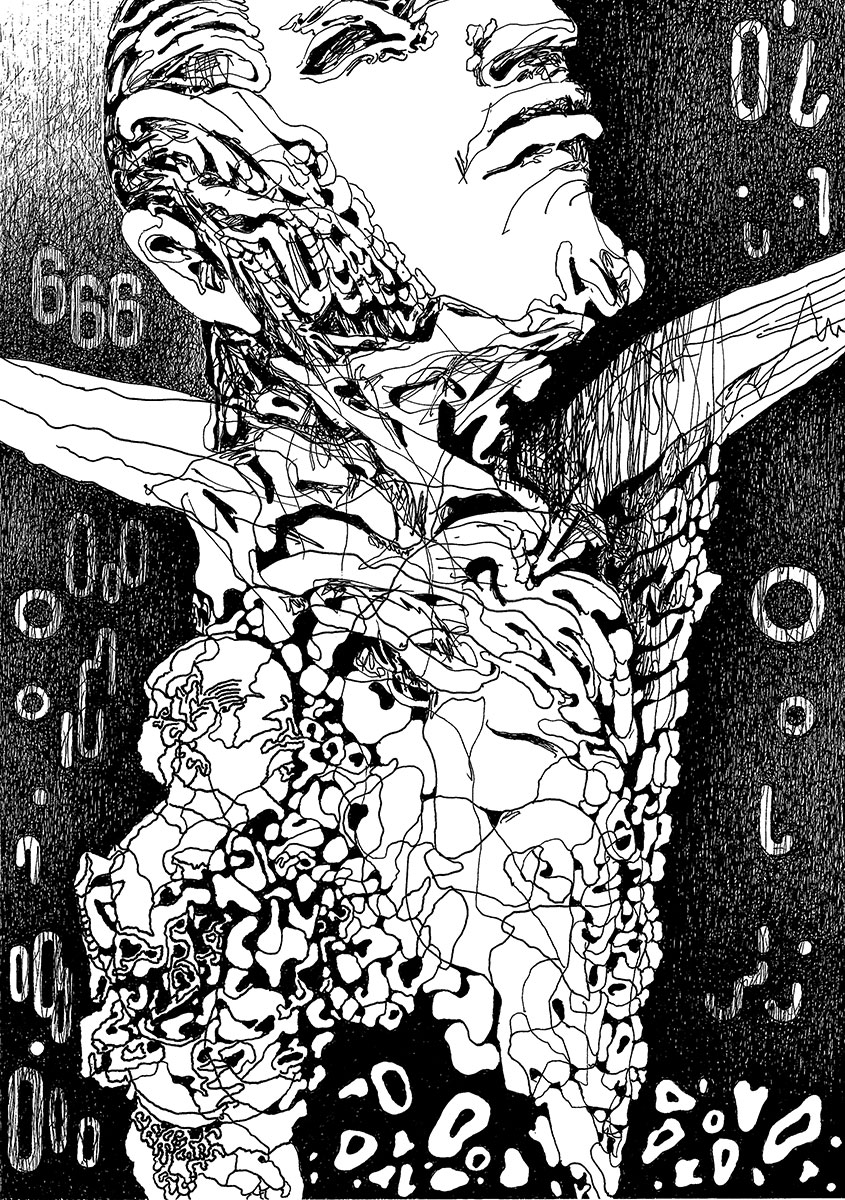
Apokaliptikus algoritmus I. ▪ Apocalyptic algorithm No. 1, 2023
papír, lemezlitográfia ▪ paper, plate lithography ▪ 70×50 cm
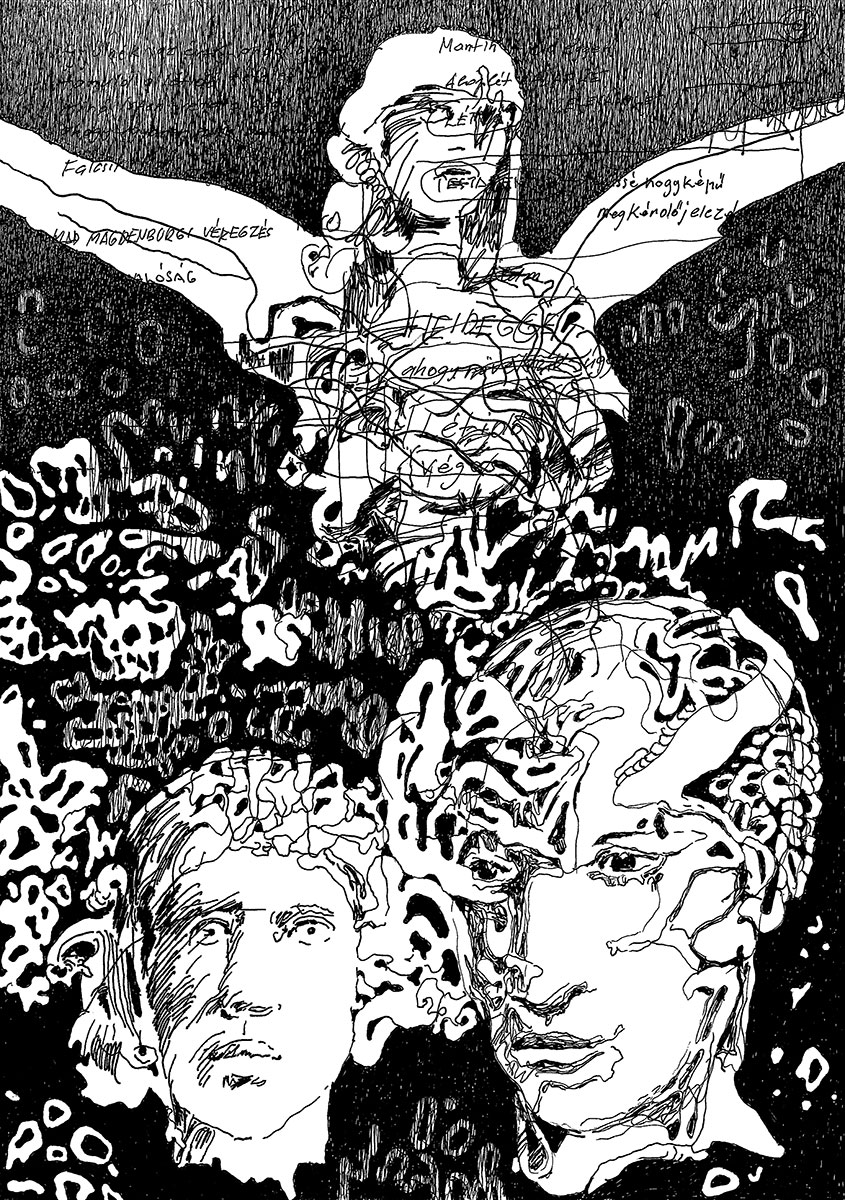
Apokaliptikus algoritmus II. ▪ Apocalyptic algorithm No. 2, 2023
papír, lemezlitográfia ▪ paper, plate lithography ▪ 70×50 cm
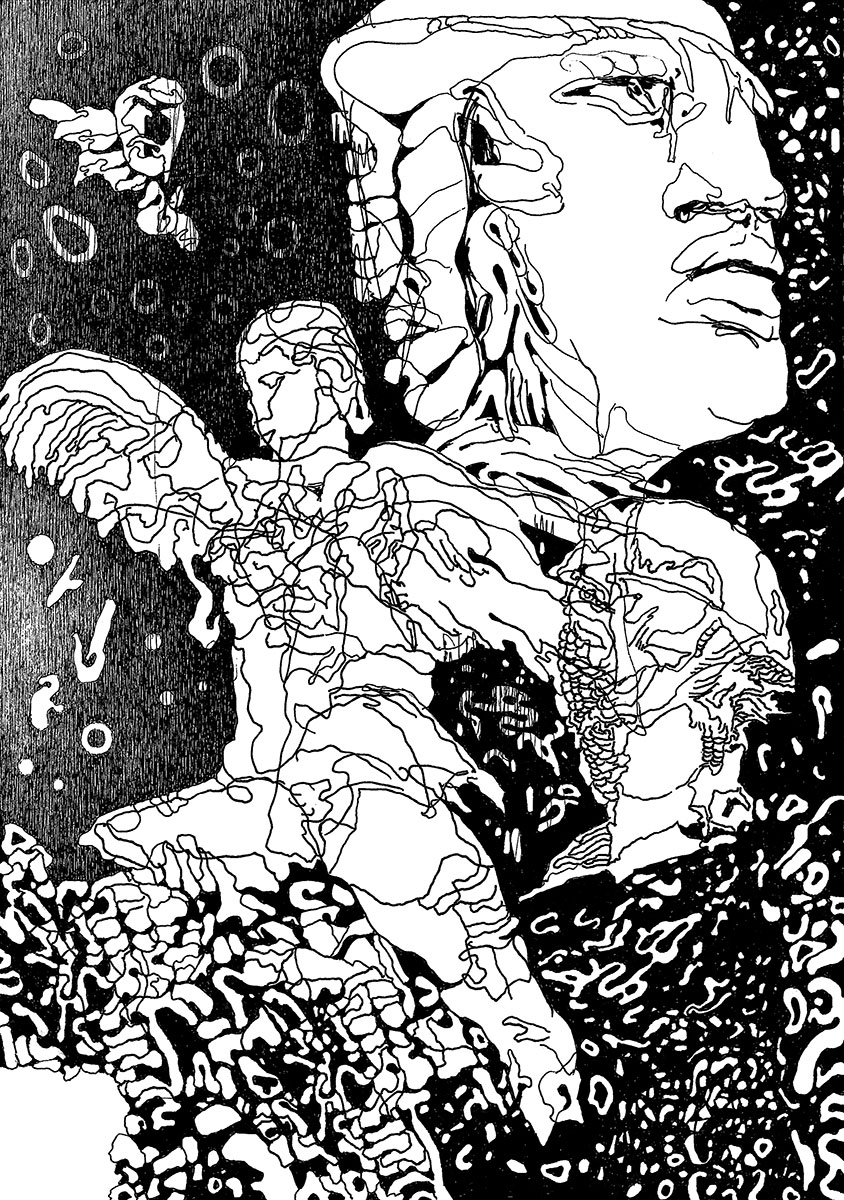
Apokaliptikus algoritmus III. ▪ Apocalyptic algorithm No. 3, 2023
papír, lemezlitográfia ▪ paper, plate lithography ▪ 70×50 cm
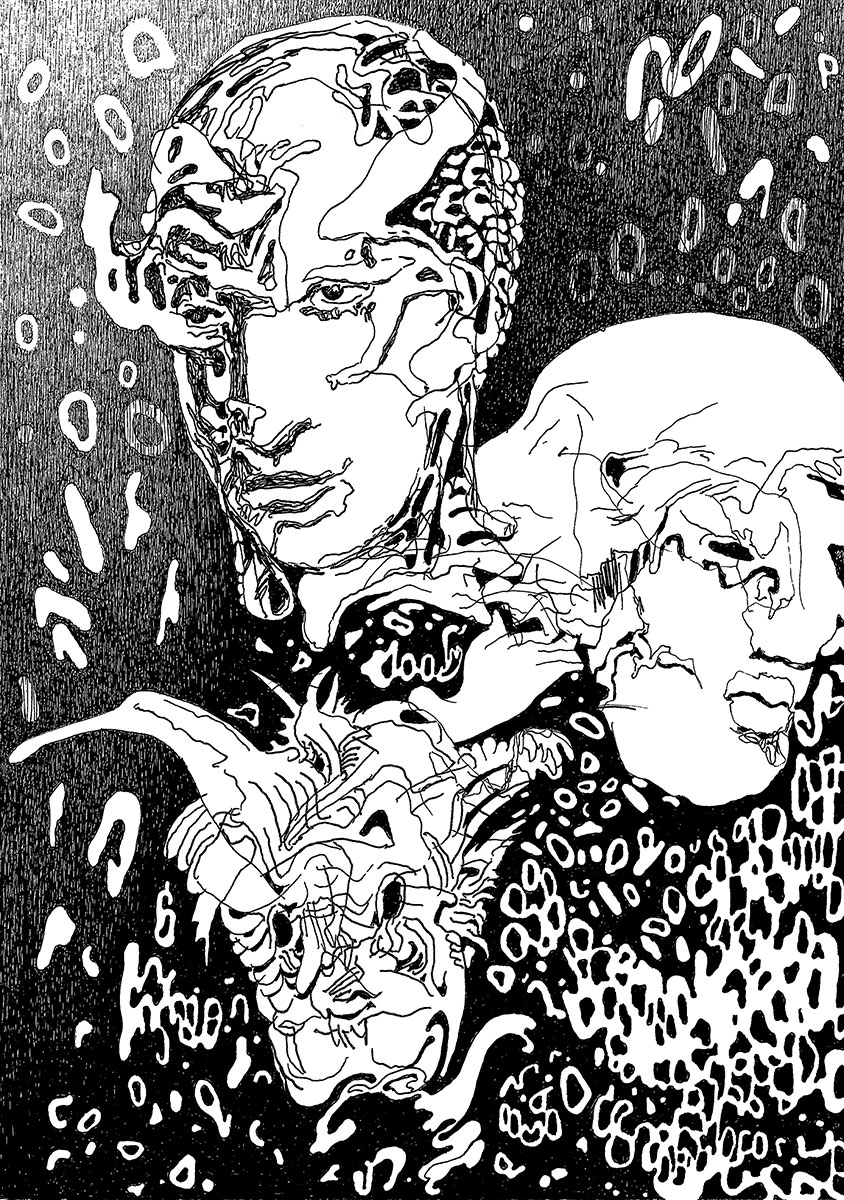
Apokaliptikus algoritmus IV. ▪ Apocalyptic algorithm No. 4, 2023
papír, lemezlitográfia ▪ paper, plate lithography ▪ 70×50 cm
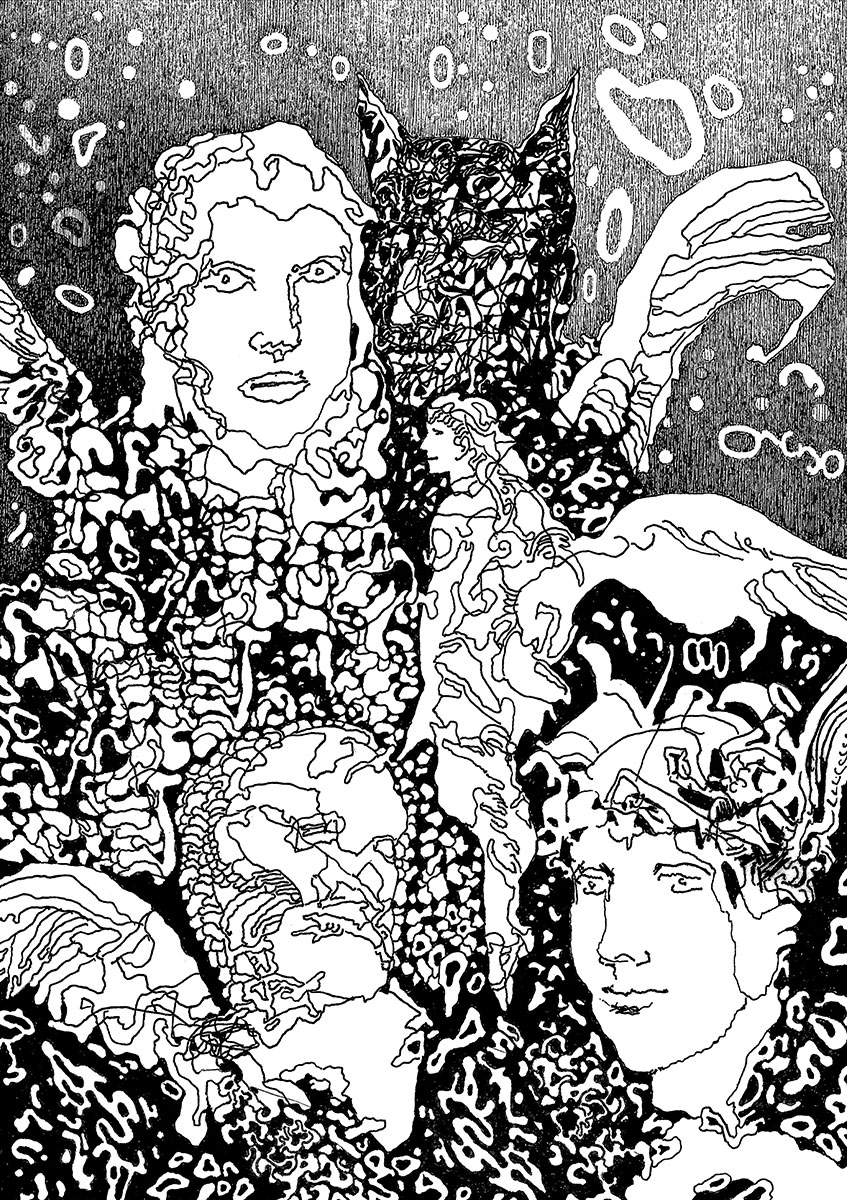
Apokaliptikus algoritmus V. ▪ Apocalyptic algorithm No. 5, 2023
papír, lemezlitográfia ▪ paper, plate lithography ▪ 70×50 cm
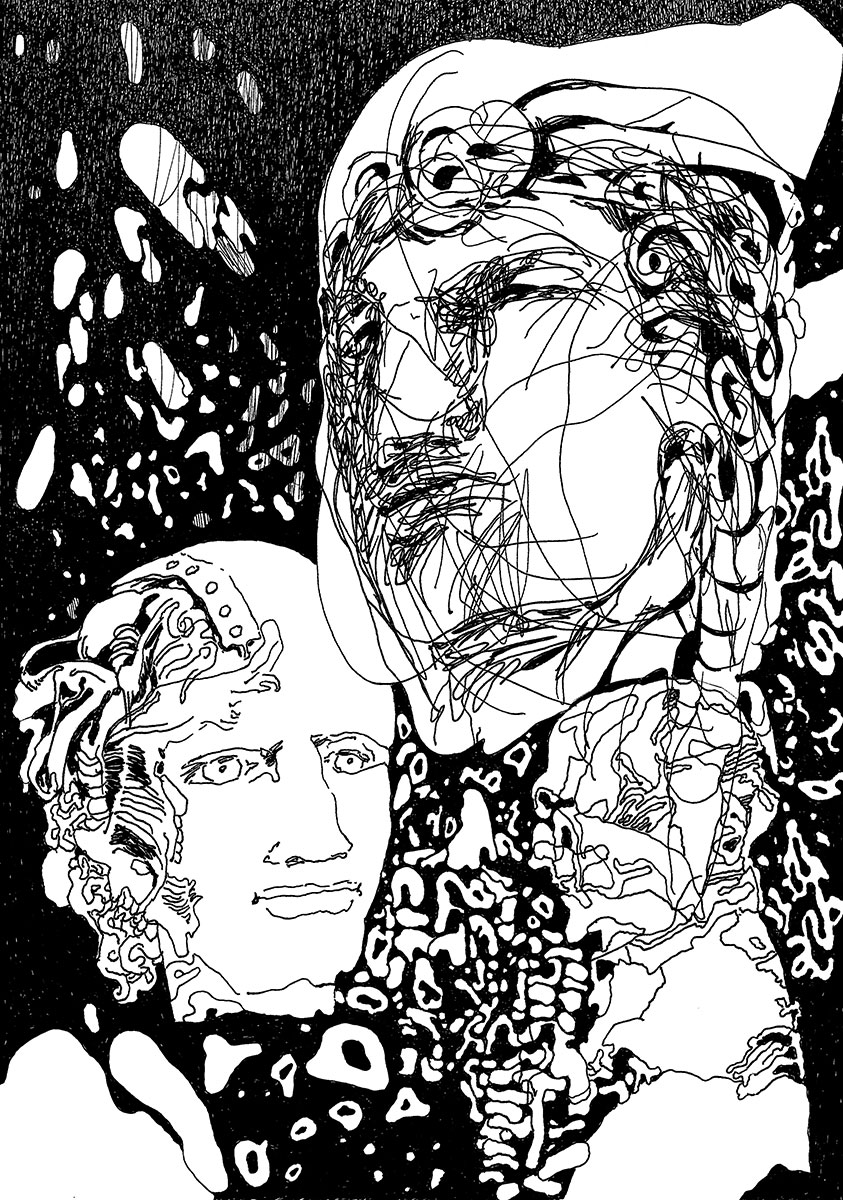
Apokaliptikus algoritmus VI. ▪ Apocalyptic algorithm No. 6, 2023
papír, lemezlitográfia ▪ paper, plate lithography ▪ 70×50 cm
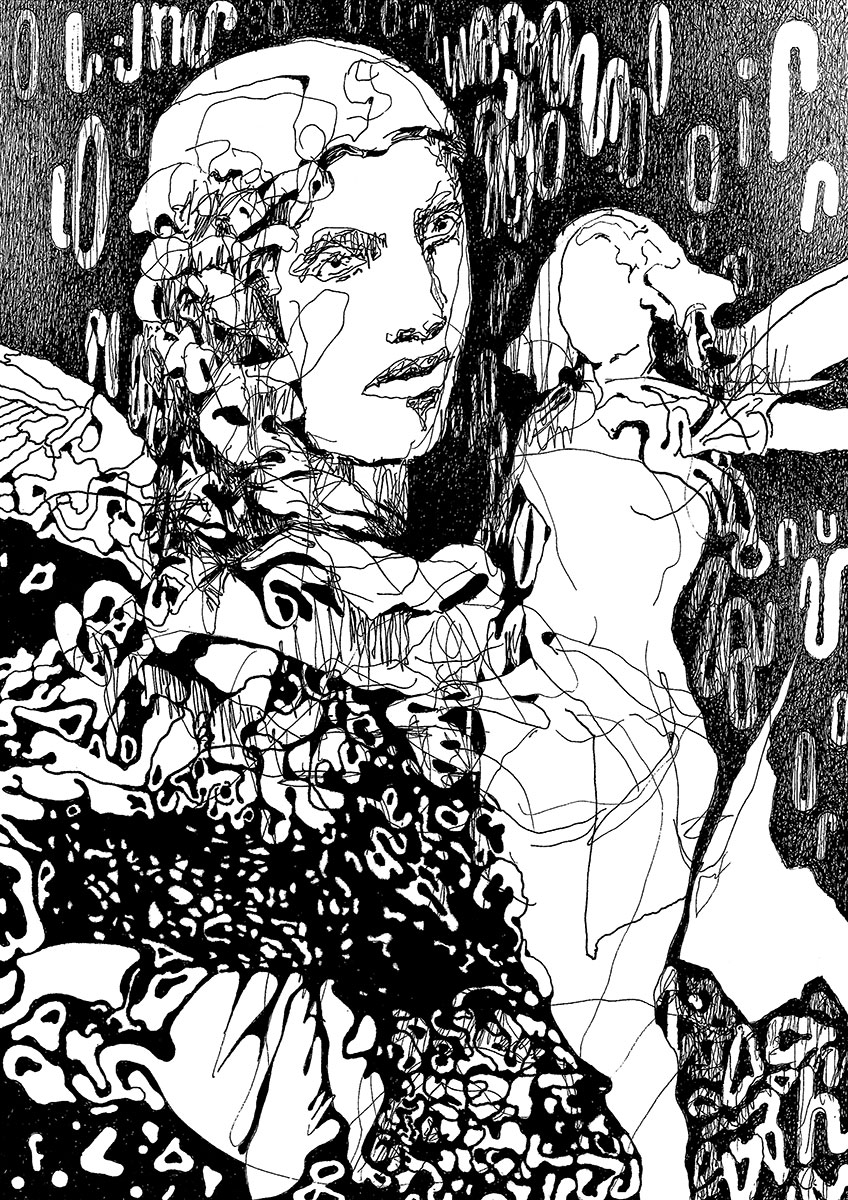
Apokaliptikus algoritmus VII. ▪ Apocalyptic algorithm No. 7, 2023
papír, lemezlitográfia ▪ paper, plate lithography ▪ 70×50 cm
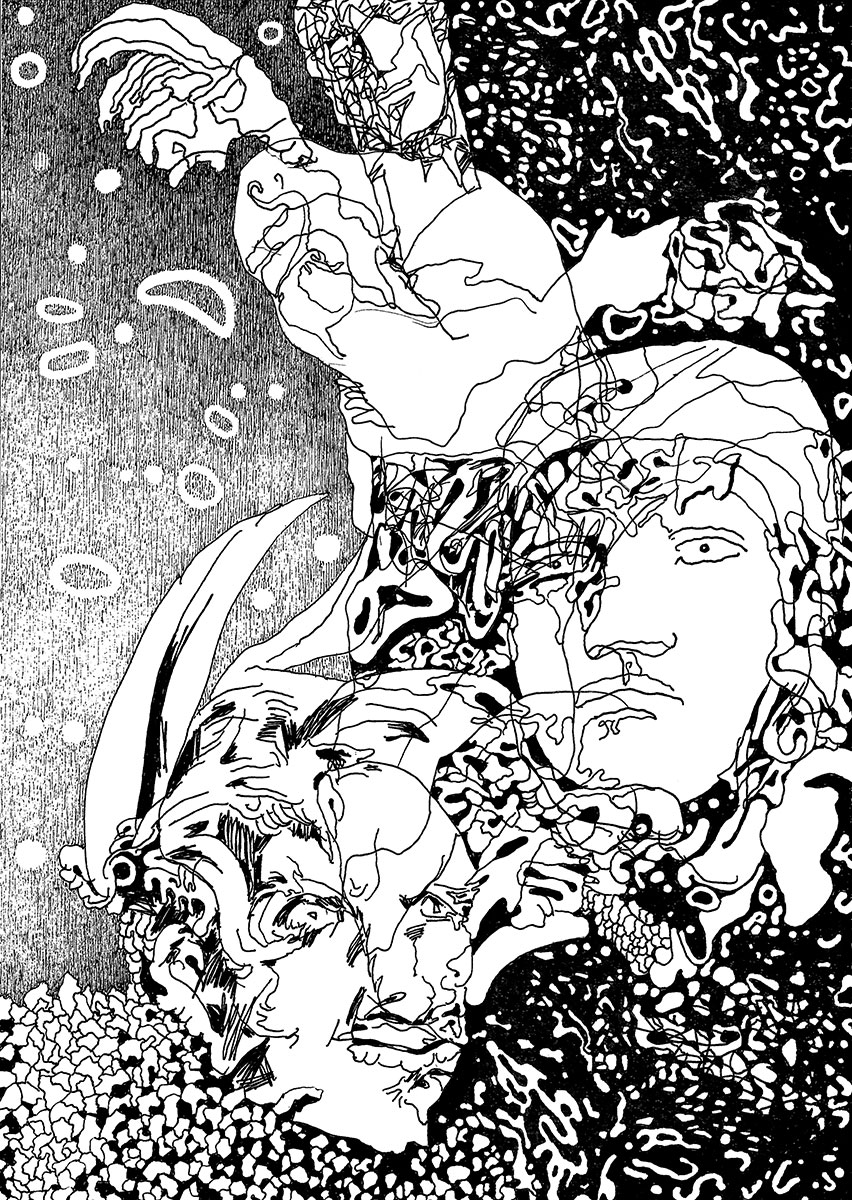
Apokaliptikus algoritmus VIII. ▪ Apocalyptic algorithm No. 8, 2023
papír, lemezlitográfia ▪ paper, plate lithography ▪ 70×50 cm
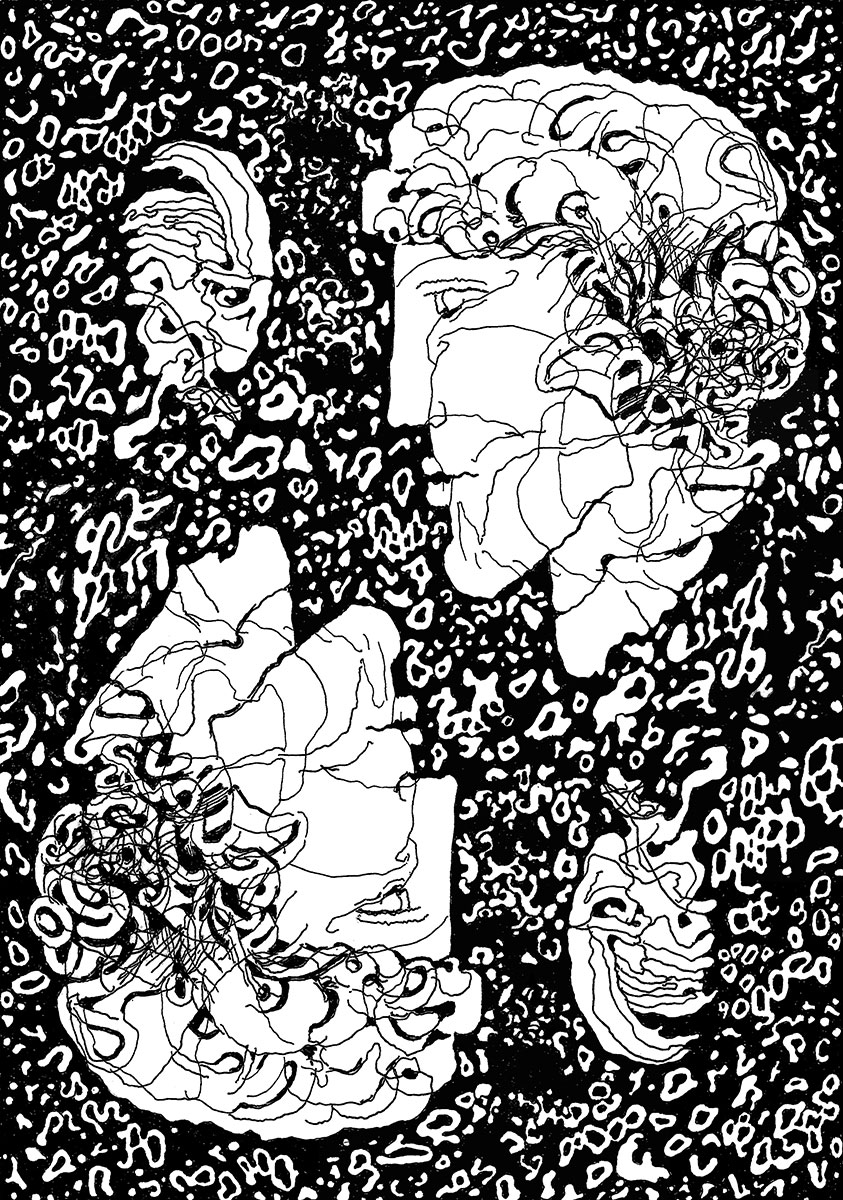
Apokaliptikus algoritmus IX. ▪ Apocalyptic algorithm No. 9, 2023
papír, lemezlitográfia ▪ paper, plate lithography ▪ 70×50 cm
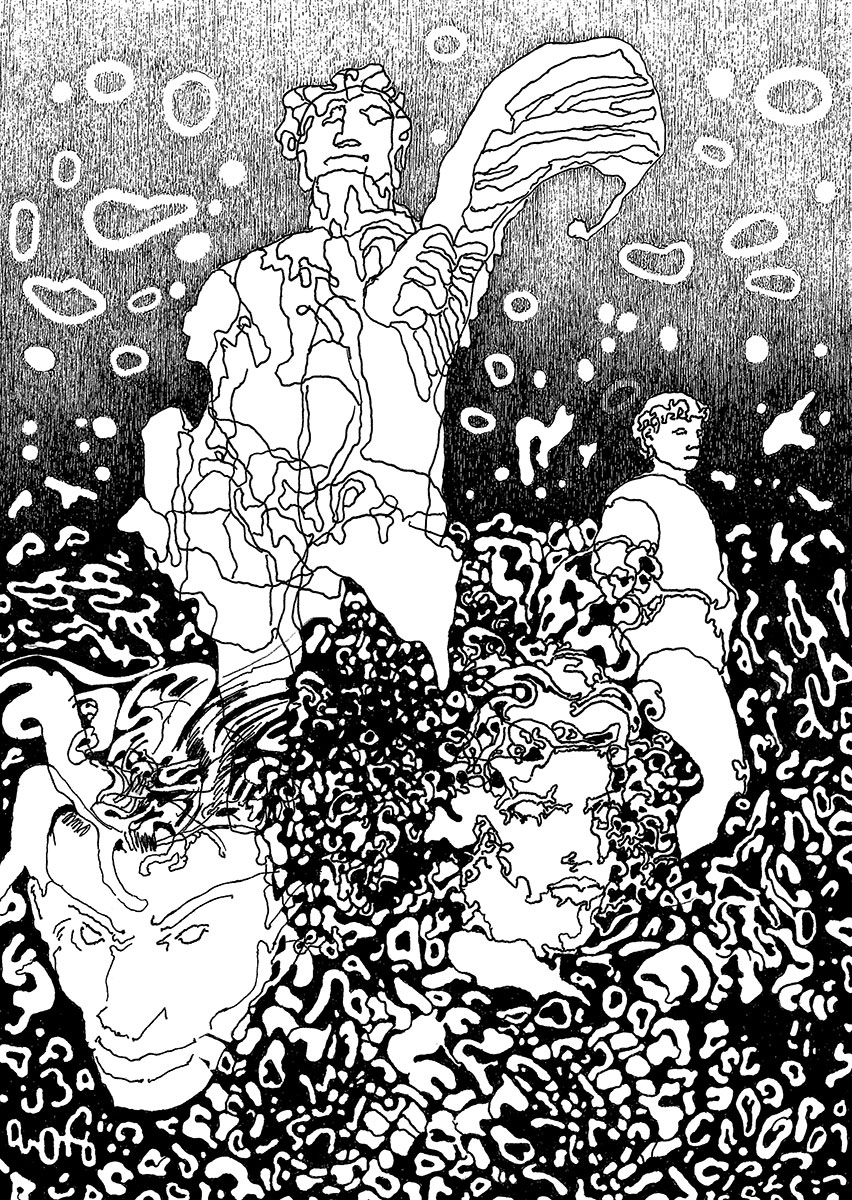
Apokaliptikus algoritmus X. ▪ Apocalyptic algorithm No. 10, 2023
papír, lemezlitográfia ▪ paper, plate lithography ▪ 70×50 cm
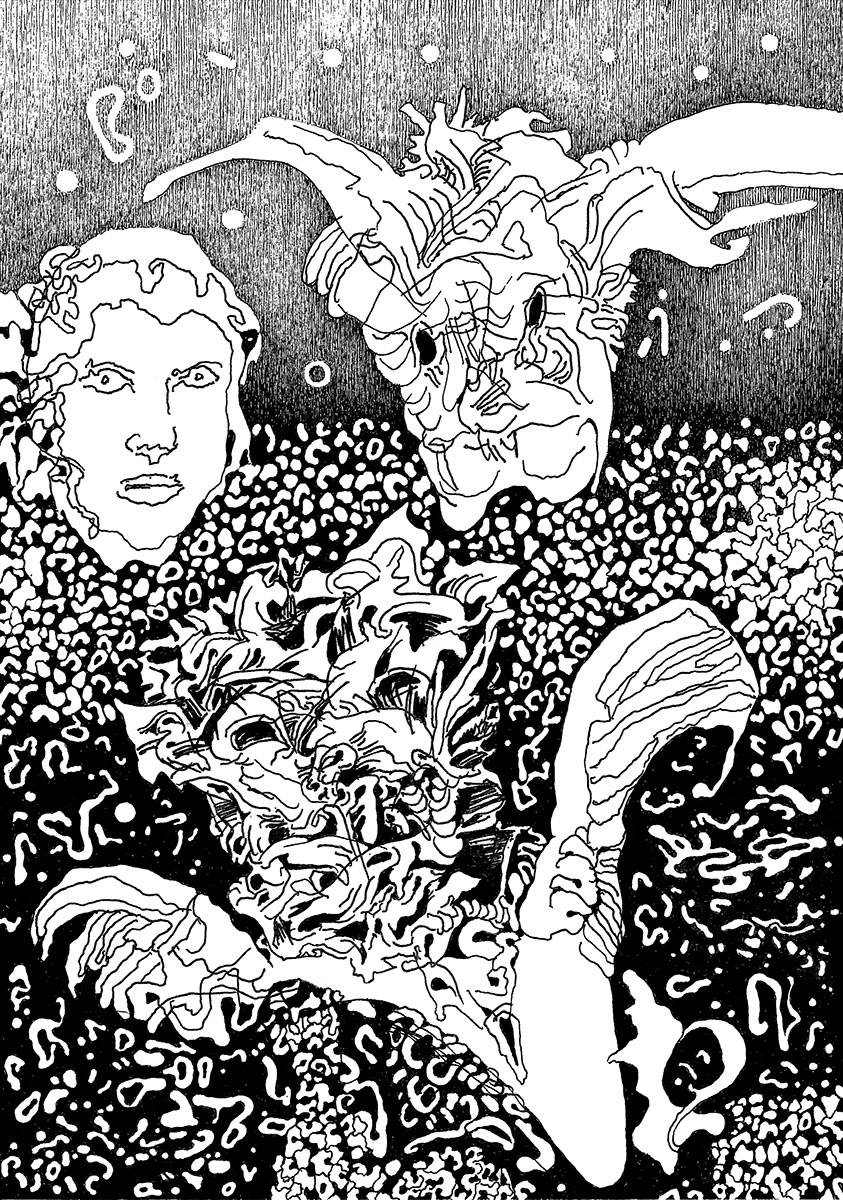
Apokaliptikus algoritmus XI. ▪ Apocalyptic algorithm No. 11, 2023
papír, lemezlitográfia ▪ paper, plate lithography ▪ 70×50 cm
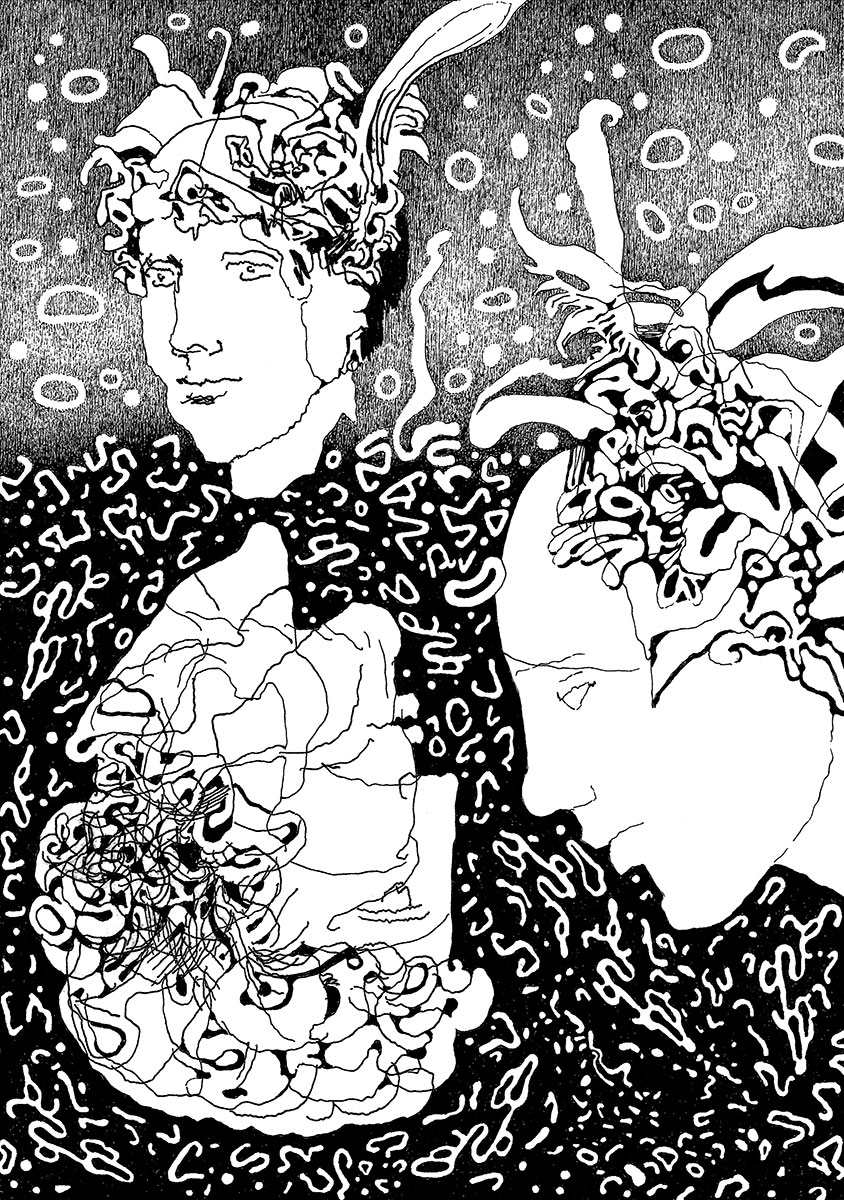
Apokaliptikus algoritmus XII. ▪ Apocalyptic algorithm No. 12, 2023
papír, lemezlitográfia ▪ paper, plate lithography ▪ 70×50 cm
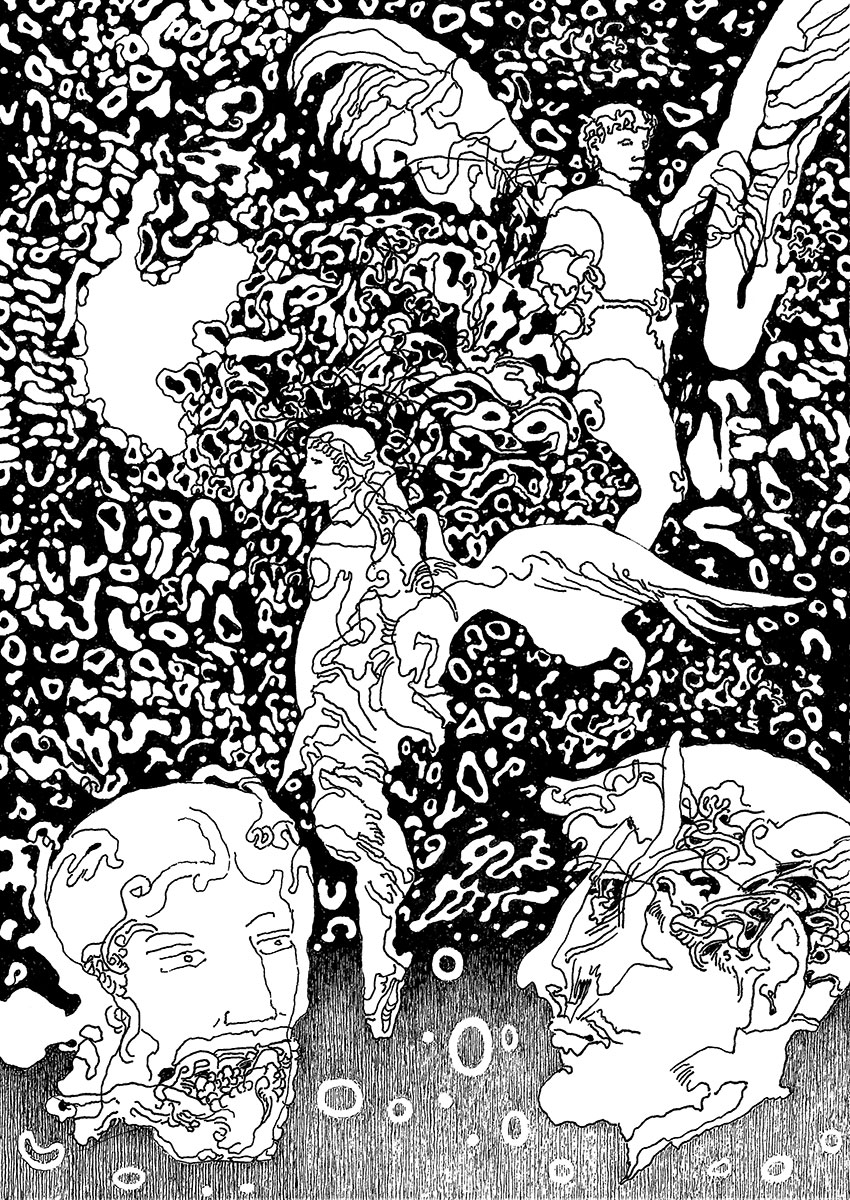
Apokaliptikus algoritmus XIII. ▪ Apocalyptic algorithm No. 13, 2023
papír, lemezlitográfia ▪ paper, plate lithography ▪ 70×50 cm
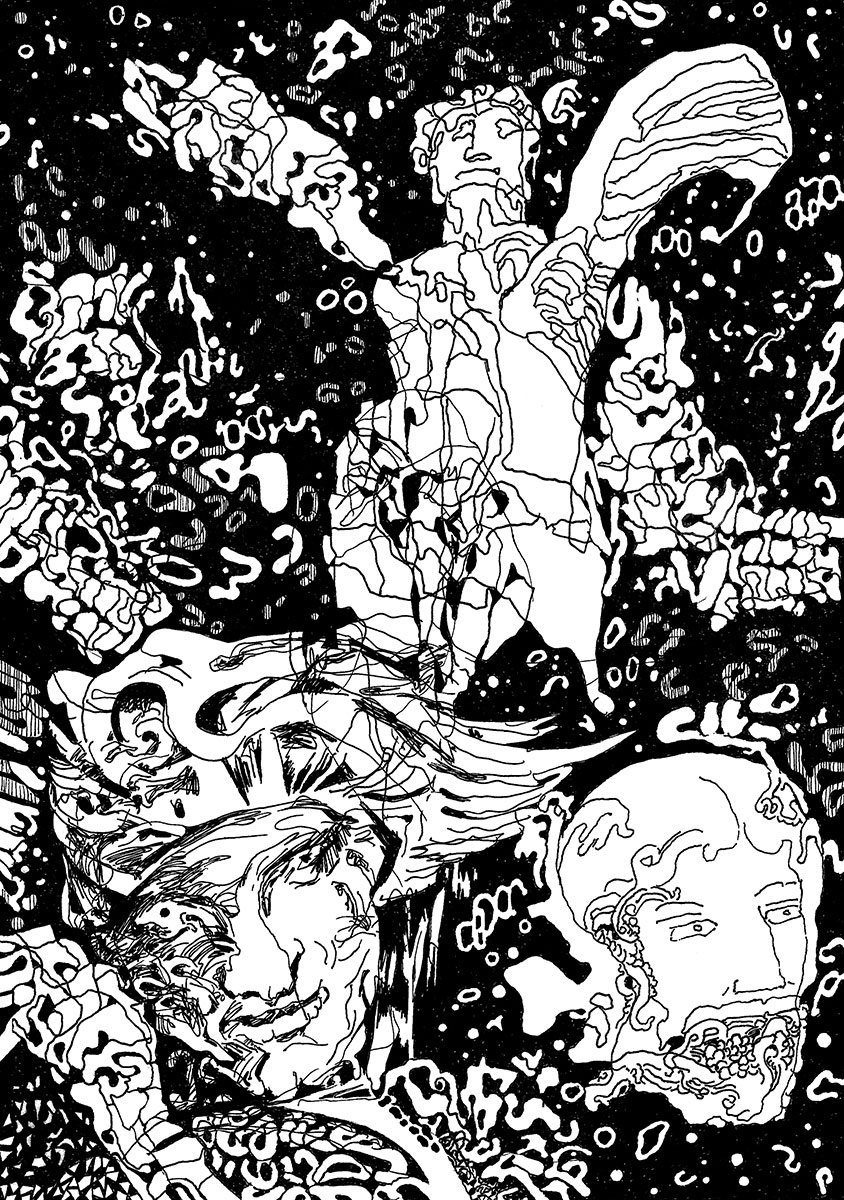
Apokaliptikus algoritmus XIV. ▪ Apocalyptic algorithm No. 14, 2023
papír, lemezlitográfia ▪ paper, plate lithography ▪ 70×50 cm
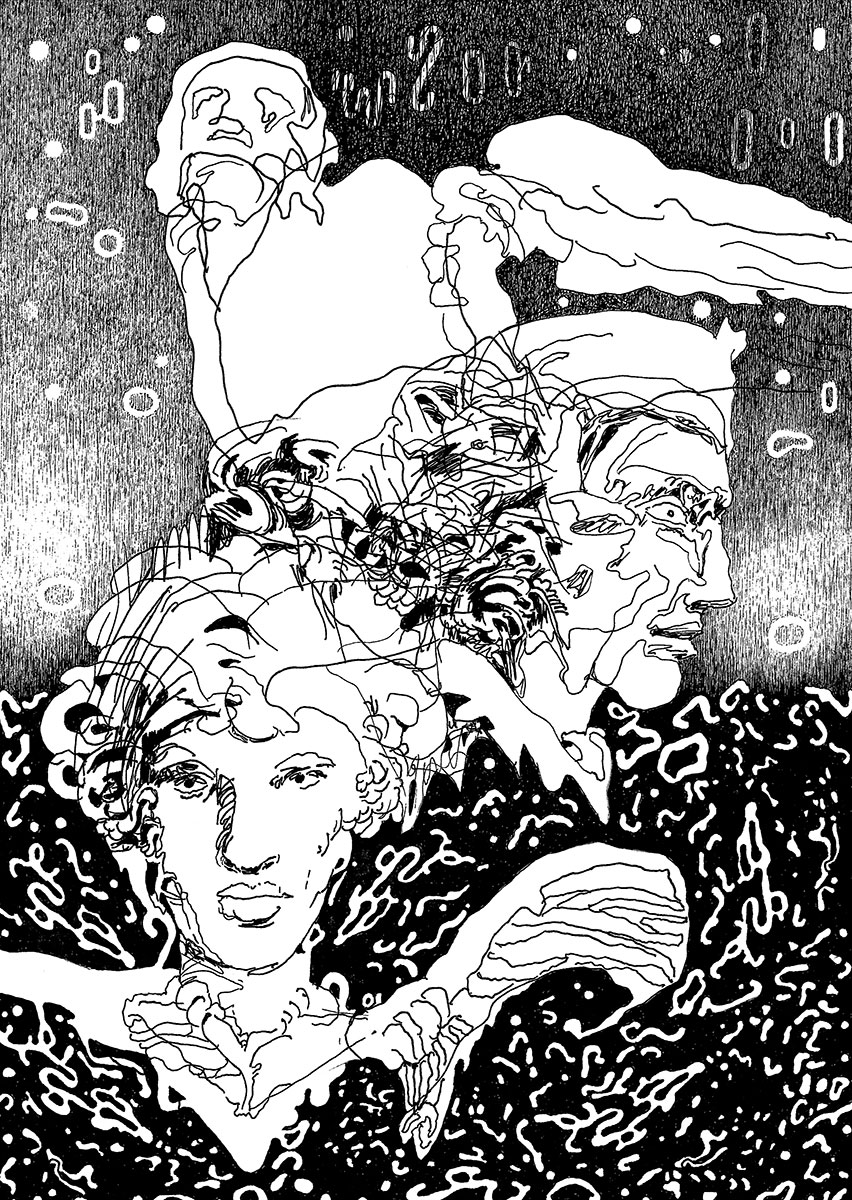
Apokaliptikus algoritmus XV. ▪ Apocalyptic algorithm No. 15, 2023
papír, lemezlitográfia ▪ paper, plate lithography ▪ 70×50 cm