Applications
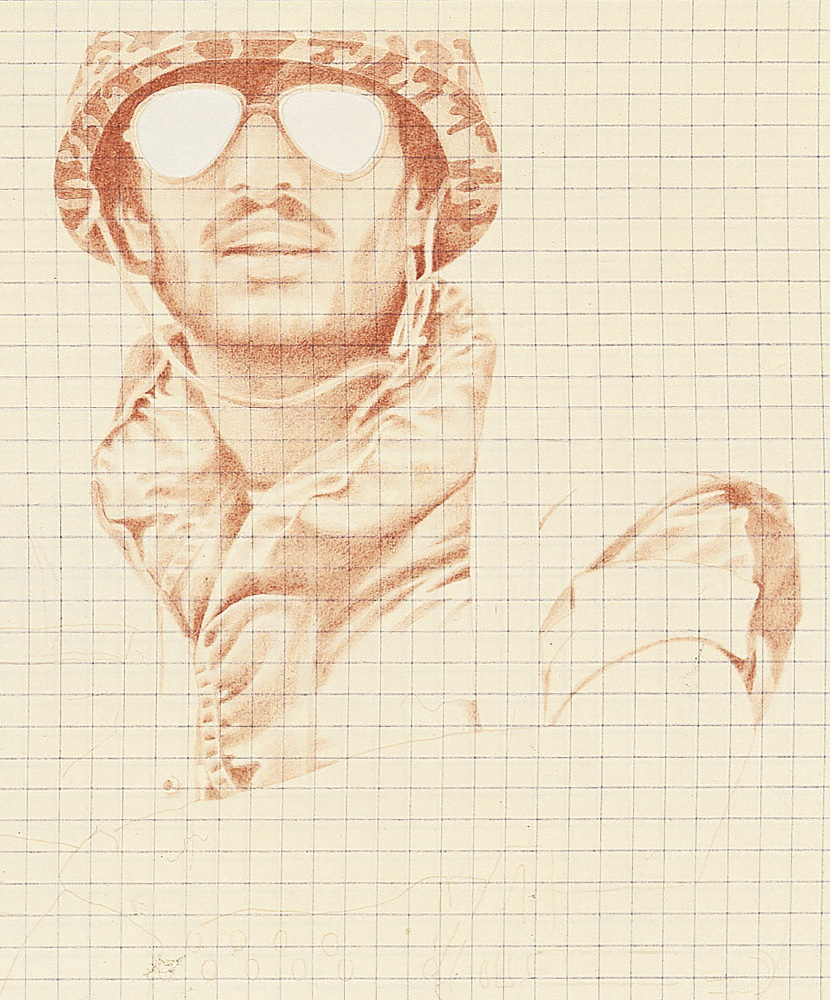
Hungarian graphic arts is alive and kicking in the present day; it has young talented artists and believers, including Győző Sárkány. “In the first stage of my preparation, I was influenced by surrealism…”, he said in an interview in the magazine Mozgó Világ (“Moving World”). I would add that he still lives and works in the regions of a surrealism of many degrees. To use a literary category metaphor, I would call his orientation a unique and transcendental micro-realism, as he possesses a hyper-realistic level of drawing expertise and an extraordinary skill of apperception. His calm, objective way of presentation is neo-symbolist in content, his allegories are quite open, and he knows and uses the vocabulary of the language of concept art.
His subject matter is not broad: nature, nostalgia – with restraint – flora, art history and humanities. Considering nature, he loves the bare trees, bushes and dry twigs in winter, not only because of their more visible structure, but also because of their intellectual content. His way of presentation (for him, the ‘how’ is almost the most important aspect) is predominantly pointillage, the heritage of this 18th century copper engraving process; sometimes dense in facture and texture, sometimes dominated by omission, perhaps under the pretext of a snow-covered field. He also makes use of the structure of the montage and the collage, that is to say, he cuts his subject to pieces in order to juxtapose so far unrelated elements according to his own laws, creating new harmonies.
Sárkány is far removed from Kondor and his artistic environment, and expressiveness is more distant to him than anything else; furthermore, his temperament would not be suited to this formal language, either. Just as we know what a differential diagnosis is in medicine, we do not need to look for a circle of related aspirations in his case, but to see what makes him different from others. It is how deep he goes, how his primary sensitivity goes hand in hand with his cold-bloodedness. We should pay attention to his characteristic mark and that it is uniquely his – a signature that cannot be confused with that of others.
János Frank art historian
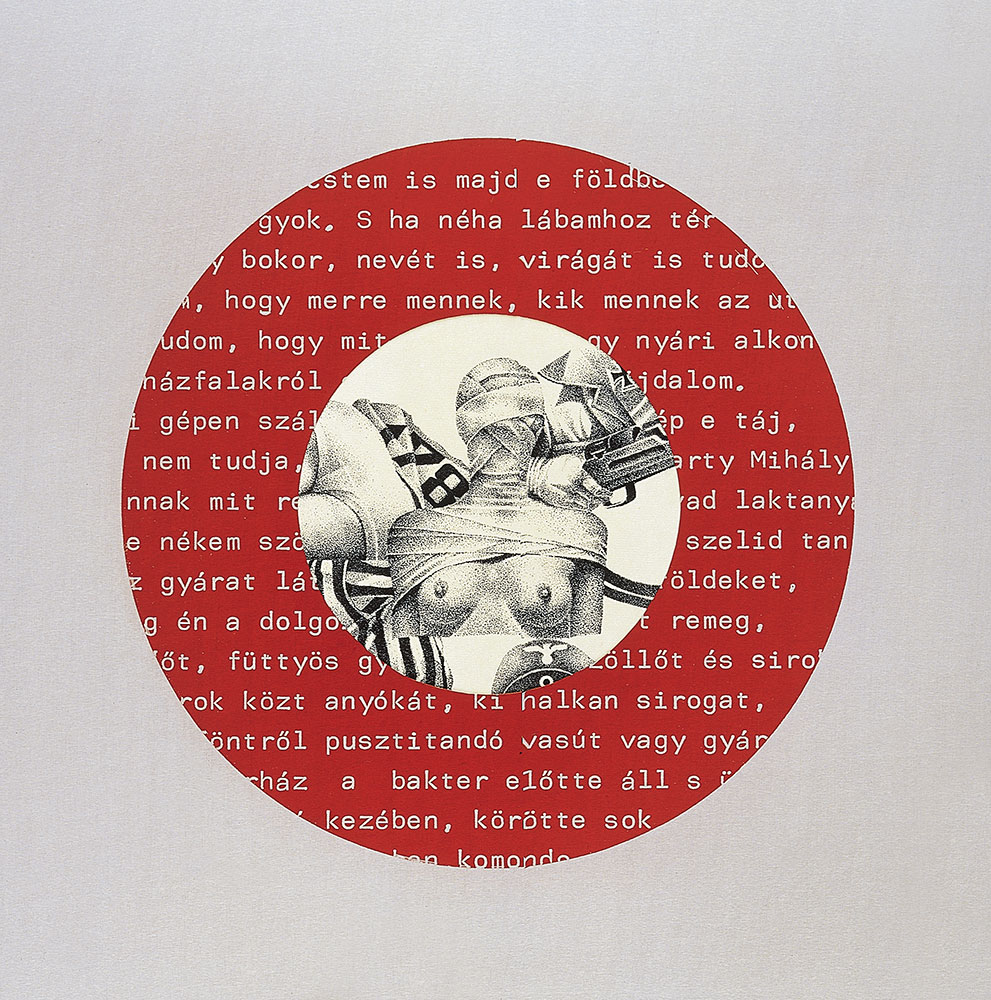
Radnóti emlékére I. ▪ In Memory of Radnóti No. 1, 1981
papír, vegyes technika ▪ paper, mixed media ▪ 30×30 cm
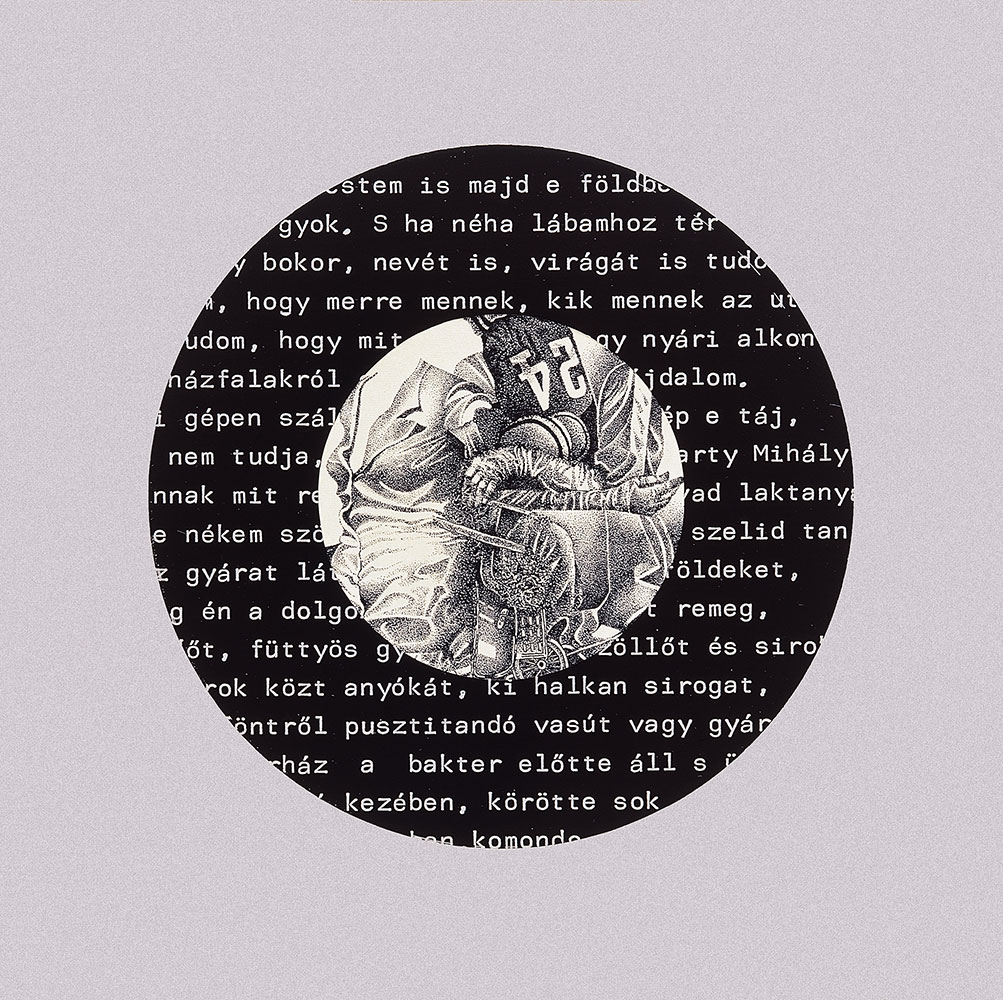
Radnóti emlékére II. ▪ In Memory of Radnóti No. 2, 1981
papír, vegyes technika ▪ paper, mixed media ▪ 30×30 cm
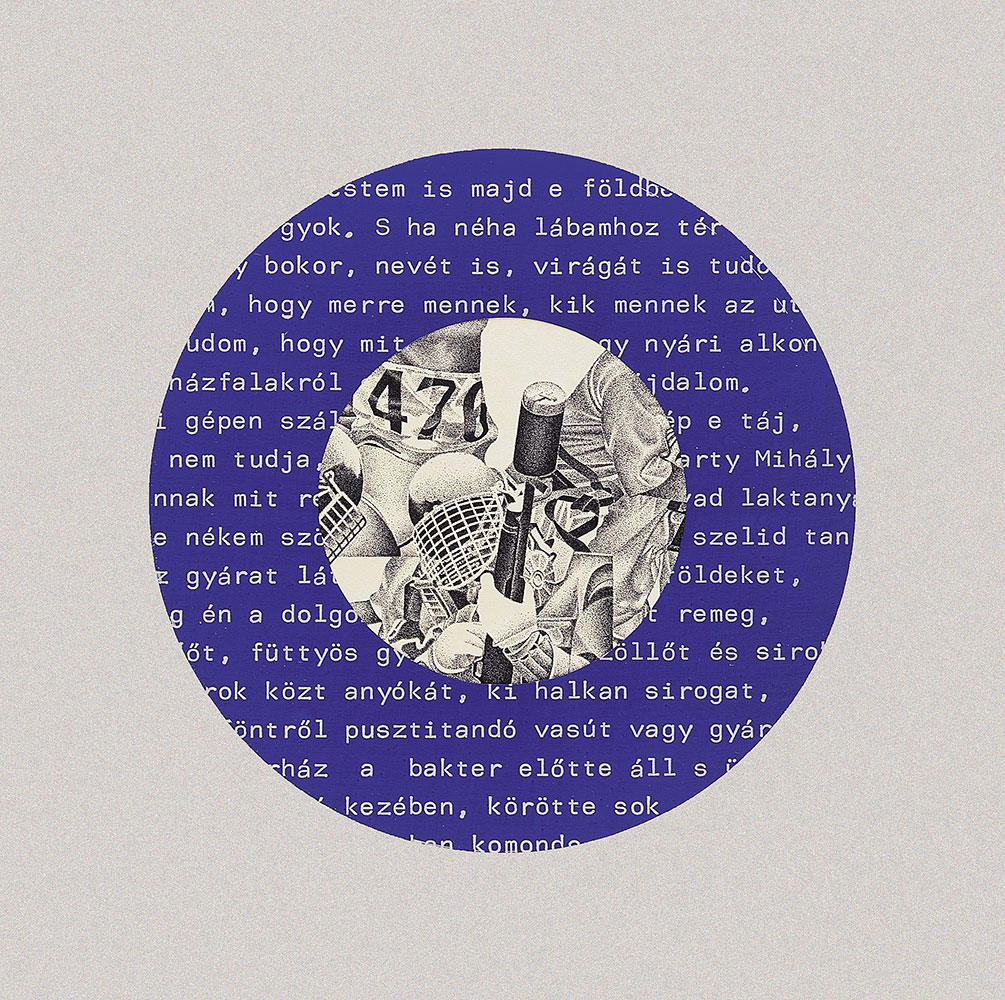
Radnóti emlékére III. ▪ In Memory of Radnóti No. 3, 1981
papír, vegyes technika ▪ paper, mixed media ▪ 30×30 cm
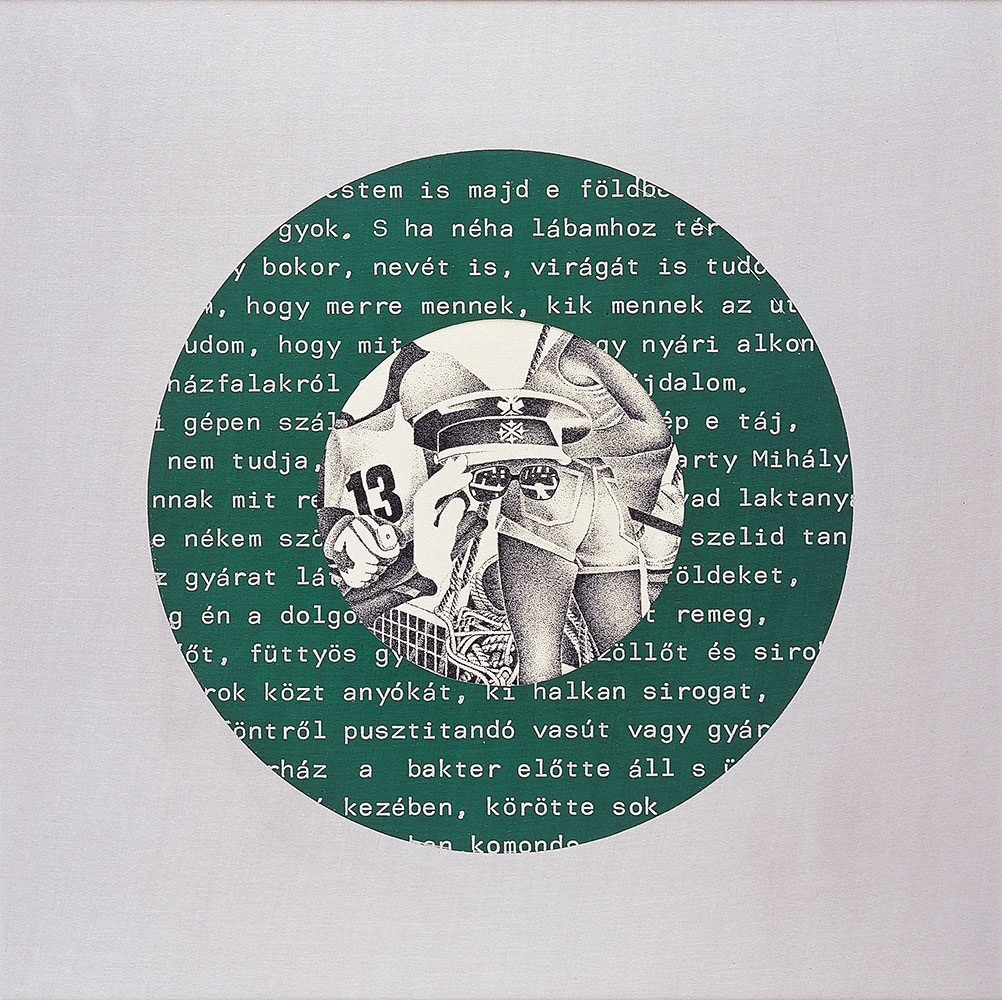
Radnóti emlékére IV. ▪ In Memory of Radnóti No. 4, 1981
papír, vegyes technika ▪ paper, mixed media ▪ 30×30 cm
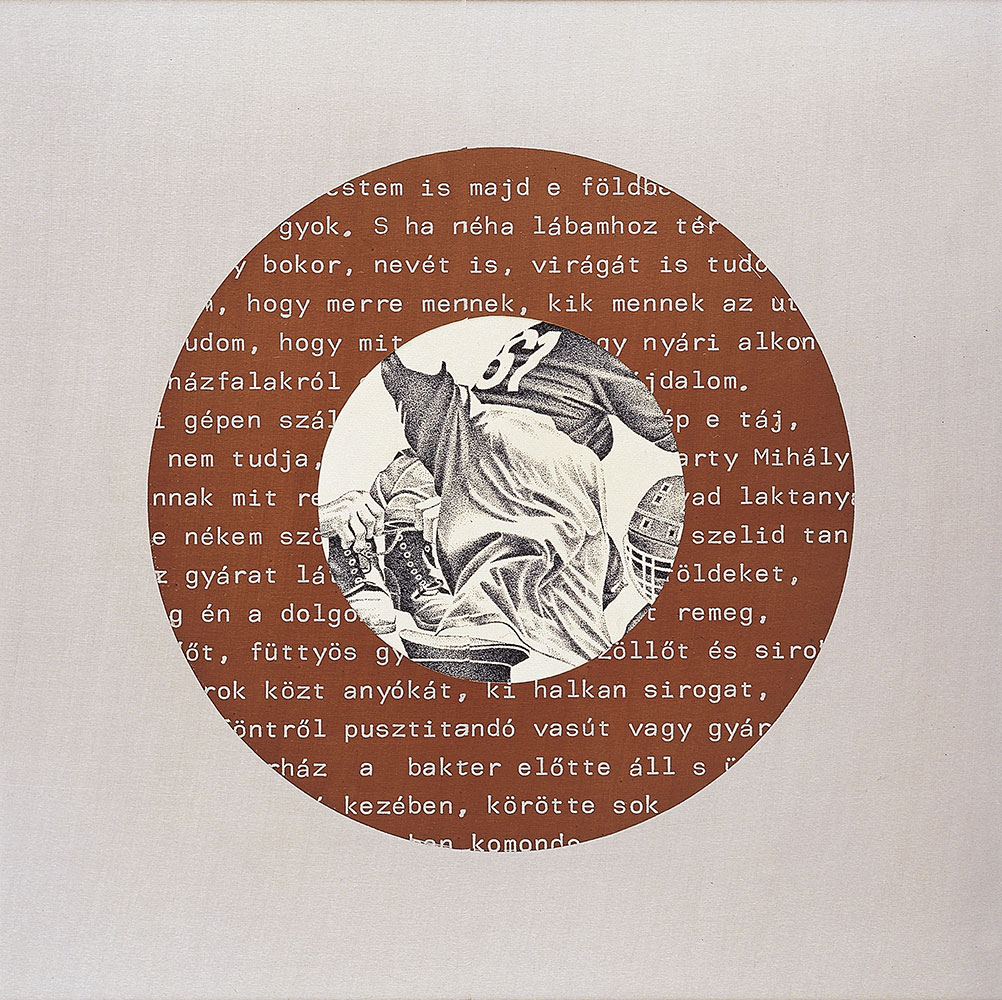
Radnóti emlékére V. ▪ In Memory of Radnóti No. 5, 1981
papír, vegyes technika ▪ paper, mixed media ▪ 30×30 cm

Analízis I. ▪ Analysis No. 1, 1983
papír, vegyes technika ▪ paper, mixed media ▪ 50×50 cm
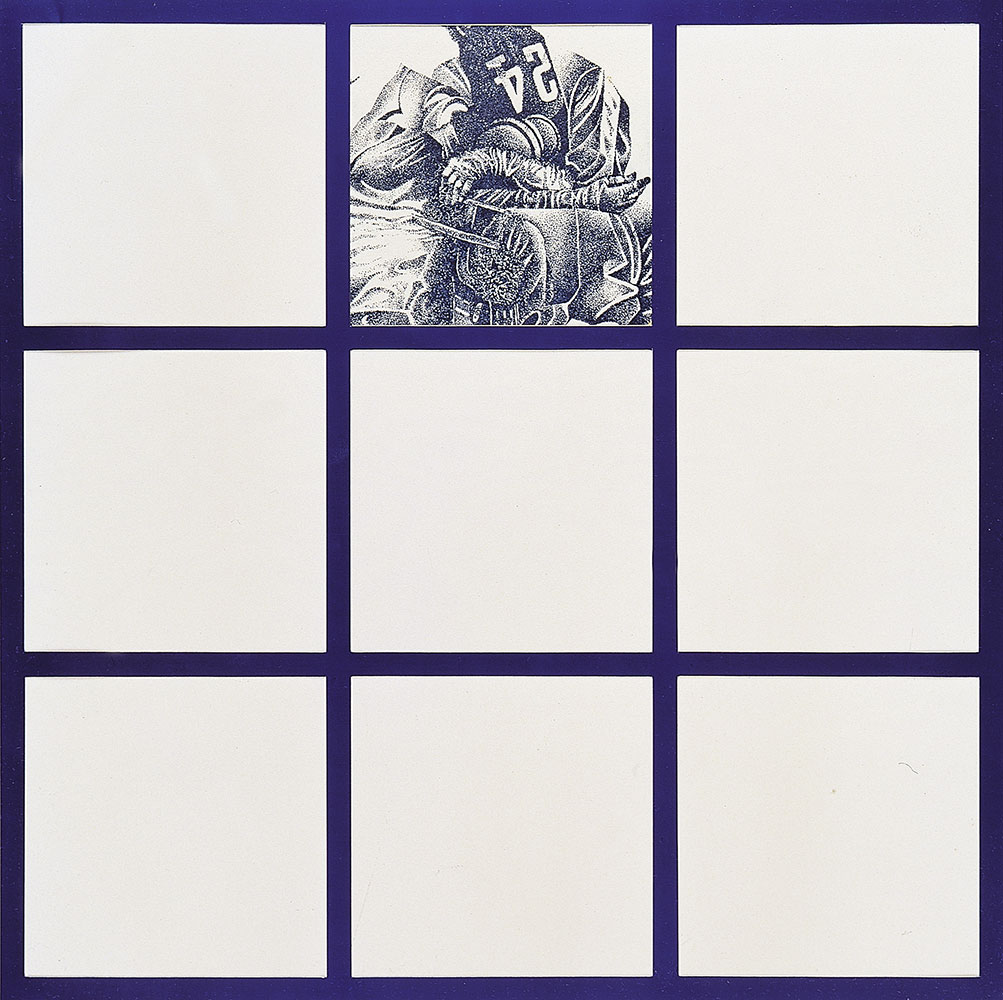
Analízis II. ▪ Analysis No. 2, 1983
papír, vegyes technika ▪ paper, mixed media ▪ 50×50 cm
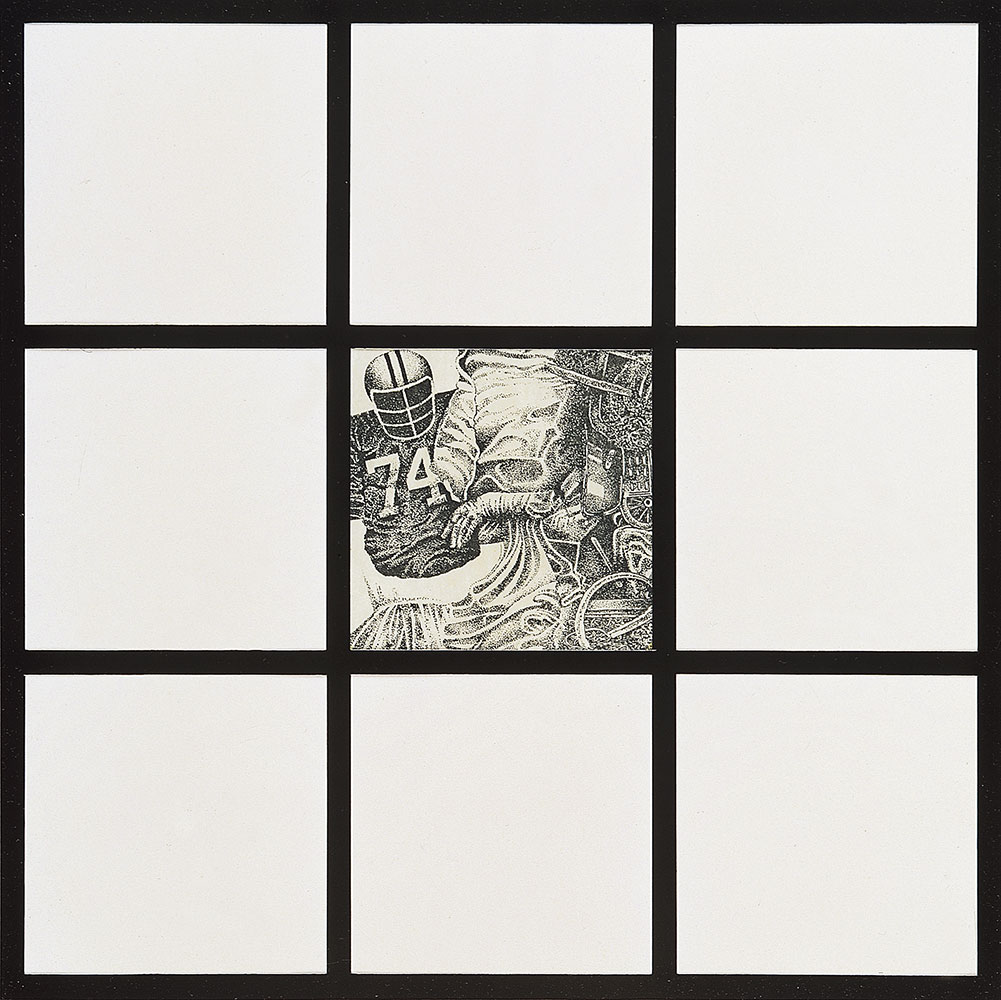
Analízis III. ▪ Analysis No. 3, 1983
papír, vegyes technika ▪ paper, mixed media ▪ 50×50 cm
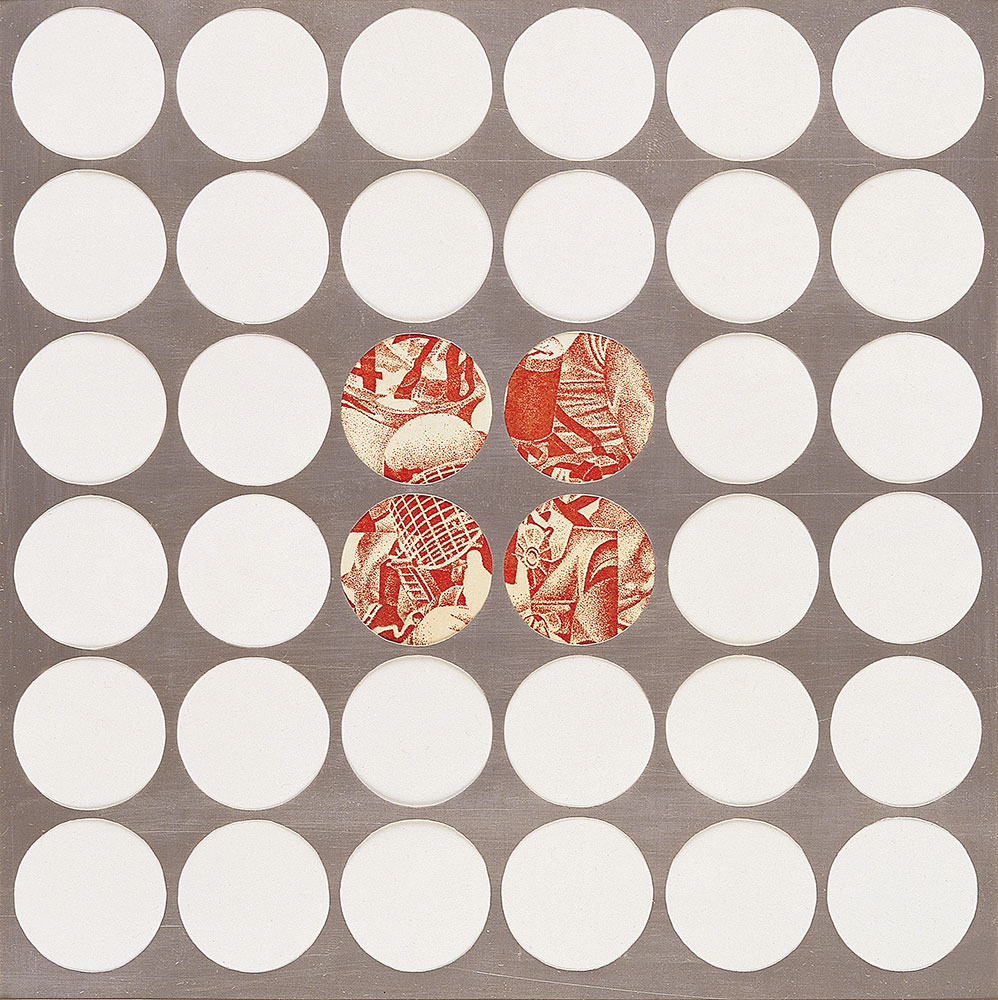
A centrum elfoglalása I. ▪ Occupying the Centre No. 1, 1983
papír, vegyes technika ▪ paper, mixed media ▪ 50×50 cm
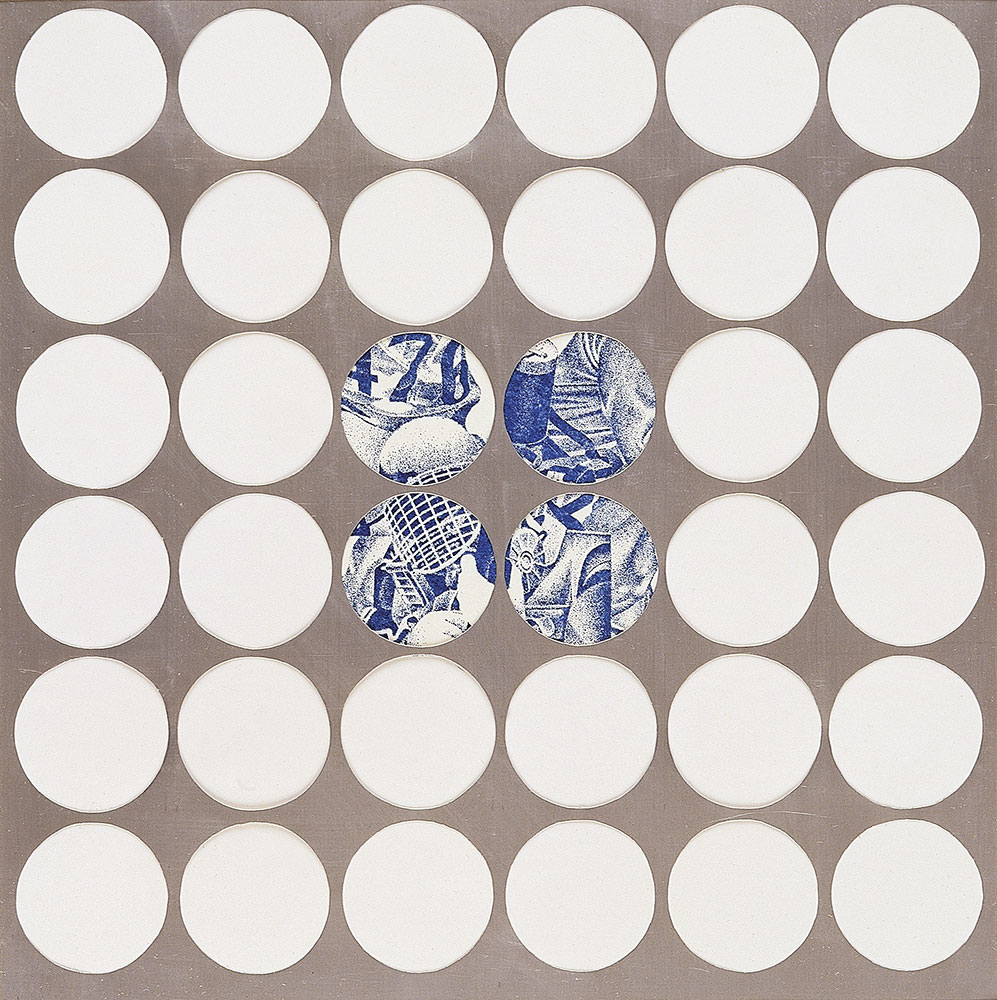
A centrum elfoglalása II. ▪ Occupying the Centre No. 2, 1983
papír, vegyes technika ▪ paper, mixed media ▪ 50×50 cm
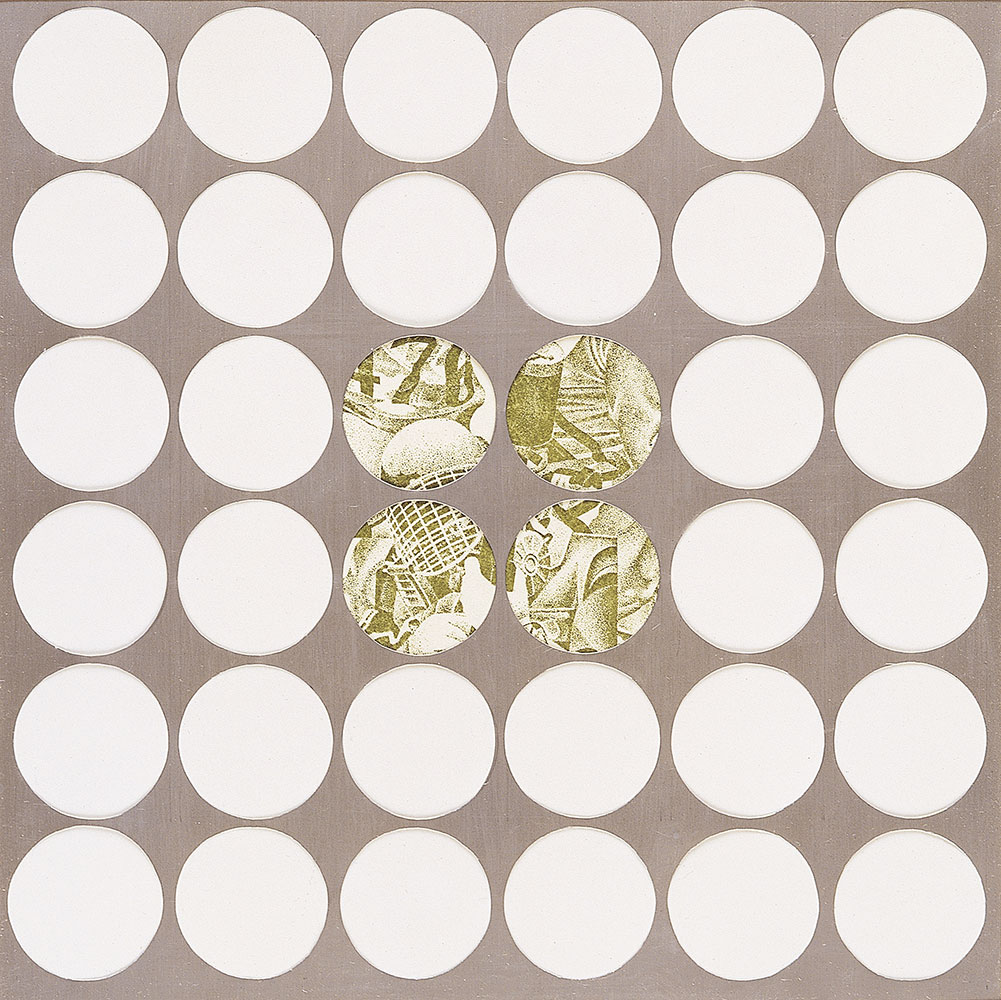
A centrum elfoglalása III. ▪ Occupying the Centre No. 3, 1983
papír, vegyes technika ▪ paper, mixed media ▪ 50×50 cm
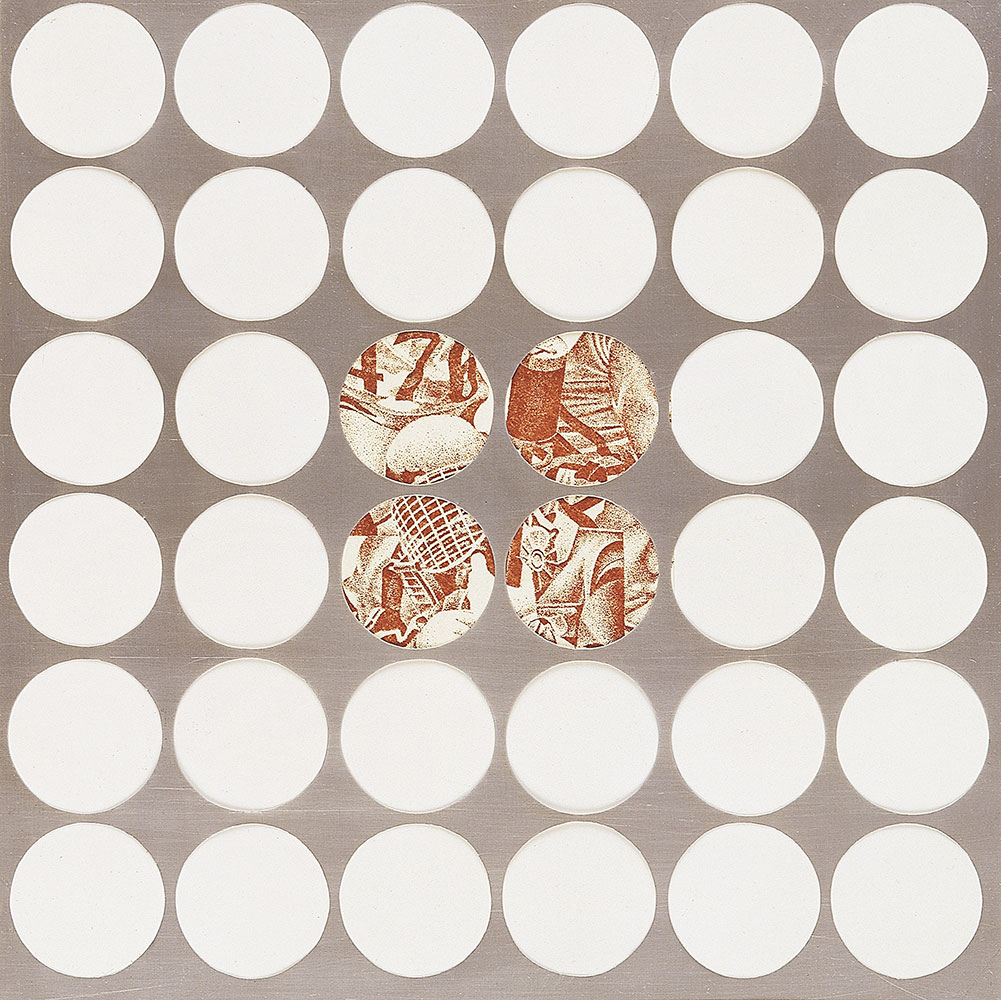
A centrum elfoglalása IV. ▪ Occupying the Centre No. 4, 1983
papír, vegyes technika ▪ paper, mixed media ▪ 50×50 cm
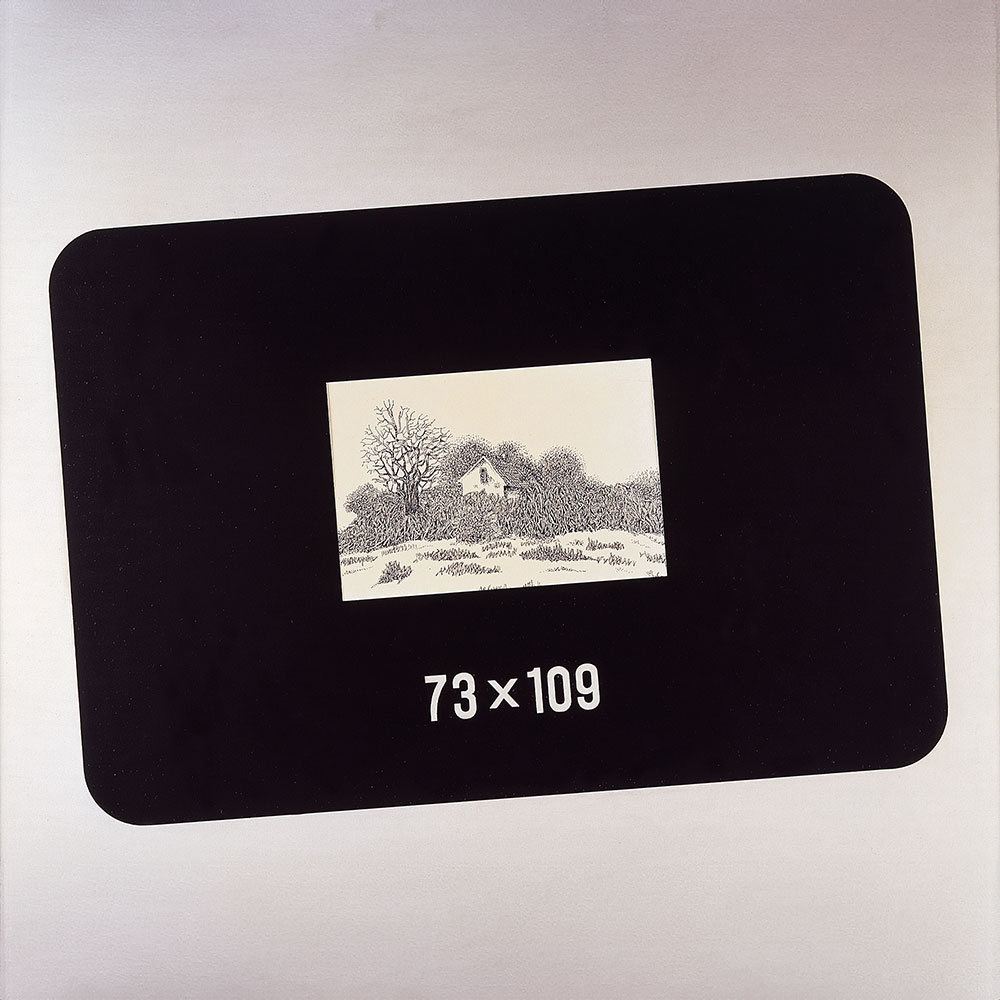
73×109 mm I. ▪ 73×109 mm No. 1, 1983
papír, vegyes technika ▪ paper, mixed media ▪ 30×40 cm
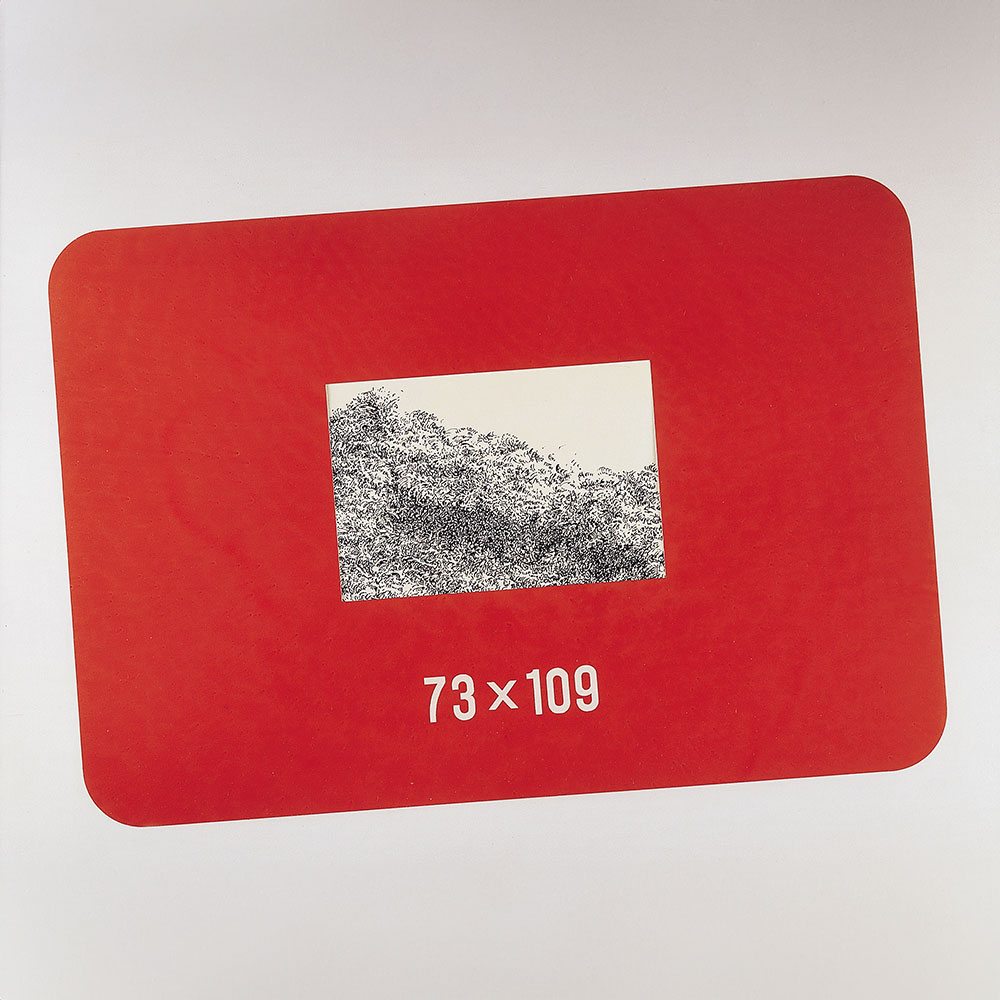
73×109 mm II. ▪ 73×109 mm No. 2, 1983
papír, vegyes technika ▪ paper, mixed media ▪ 30×40 cm
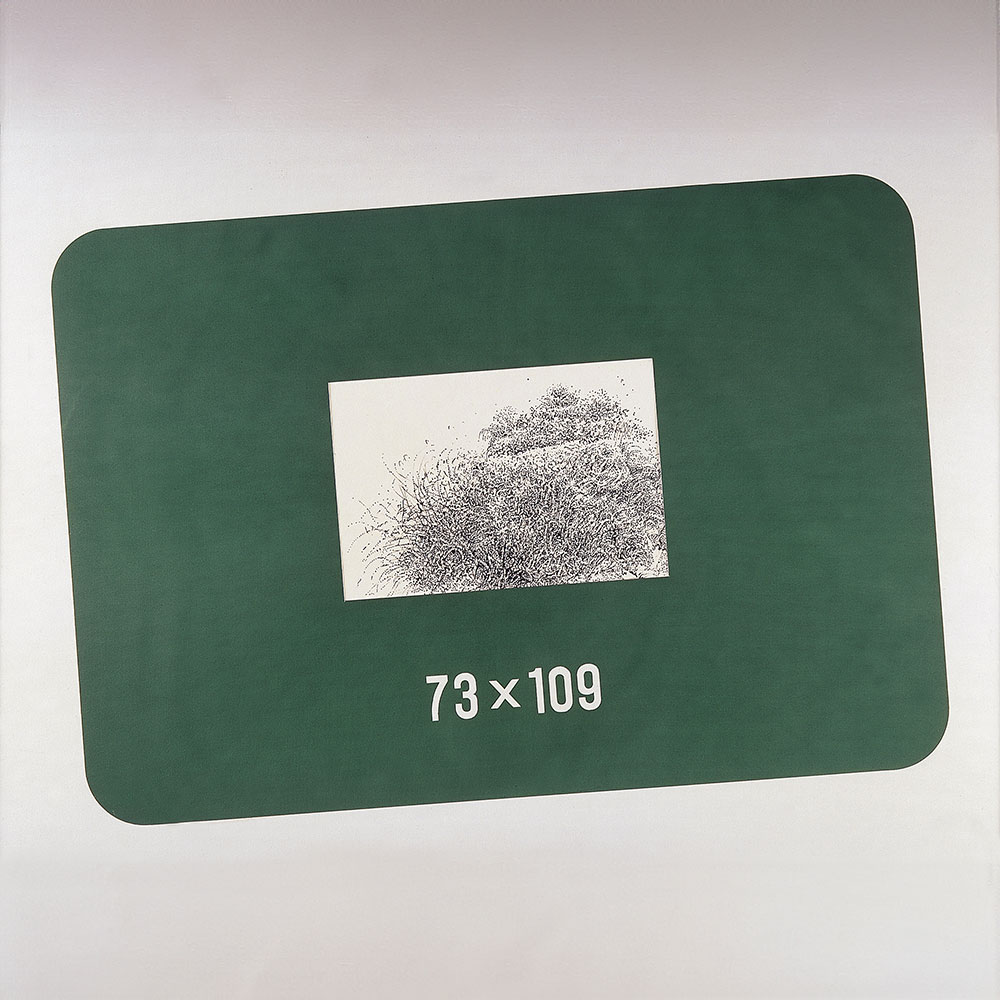
73×109 mm III. ▪ 73×109 mm No. 3, 1983
papír, vegyes technika ▪ paper, mixed media ▪ 30×40 cm
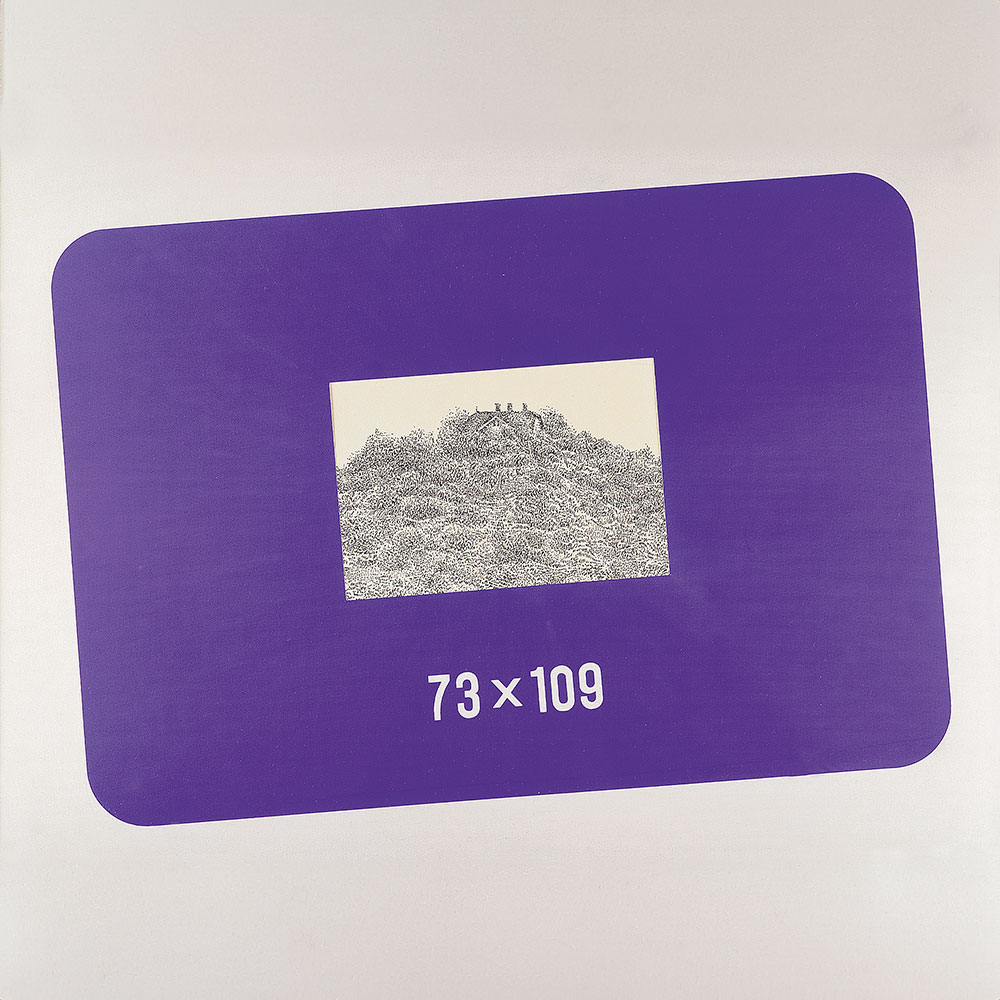
73×109 mm IV. ▪ 73×109 mm No. 4, 1983
papír, vegyes technika ▪ paper, mixed media ▪ 30×40 cm
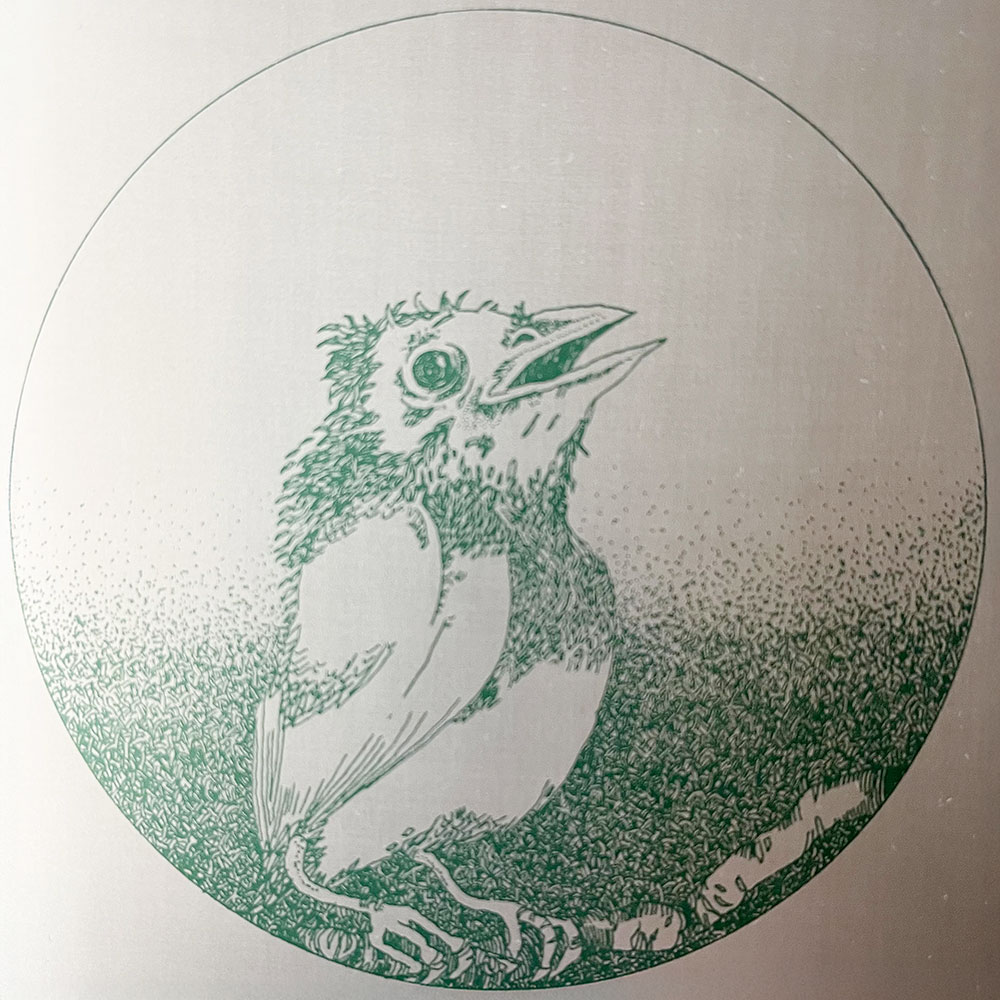
Célpont I. ▪ Target No. 1, 1981
papír, vegyes technika ▪ paper, mixed media ▪ 10×10 cm
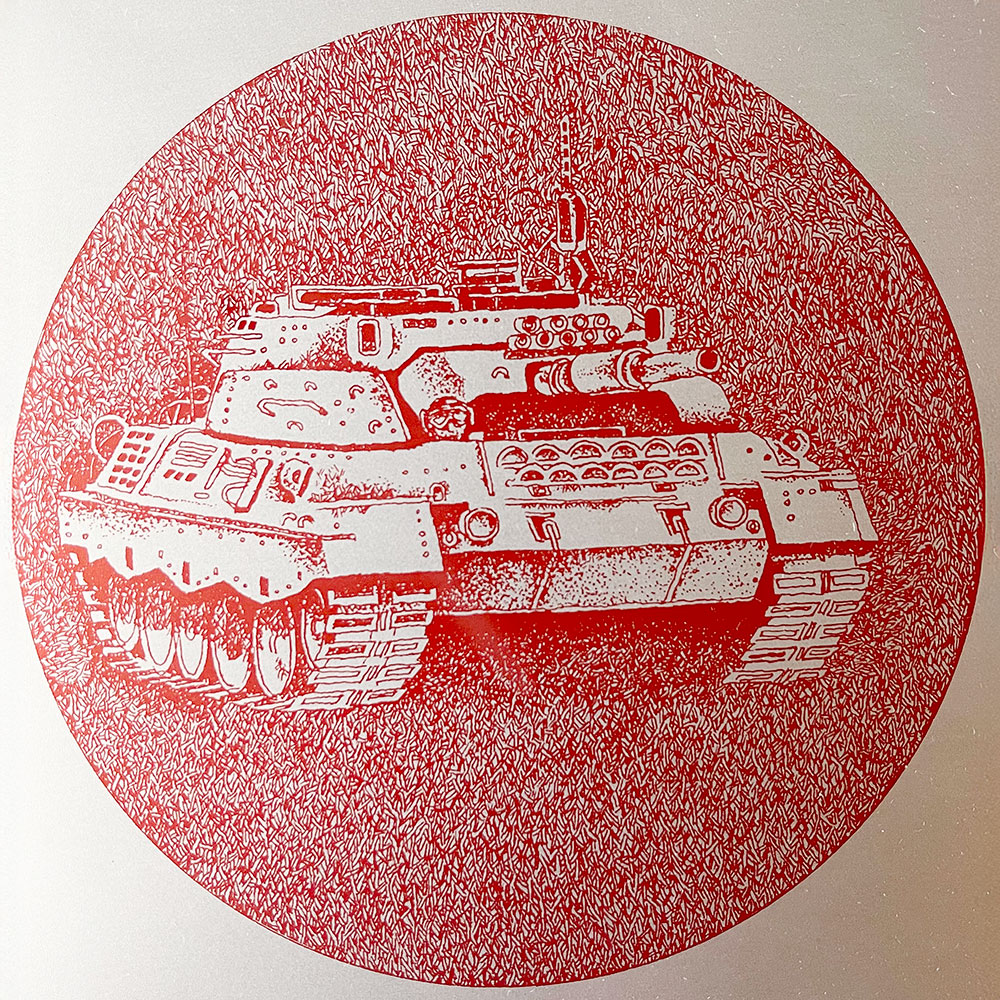
Célpont II. ▪ Target No. 2, 1981
papír, vegyes technika ▪ paper, mixed media ▪ 10×10 cm
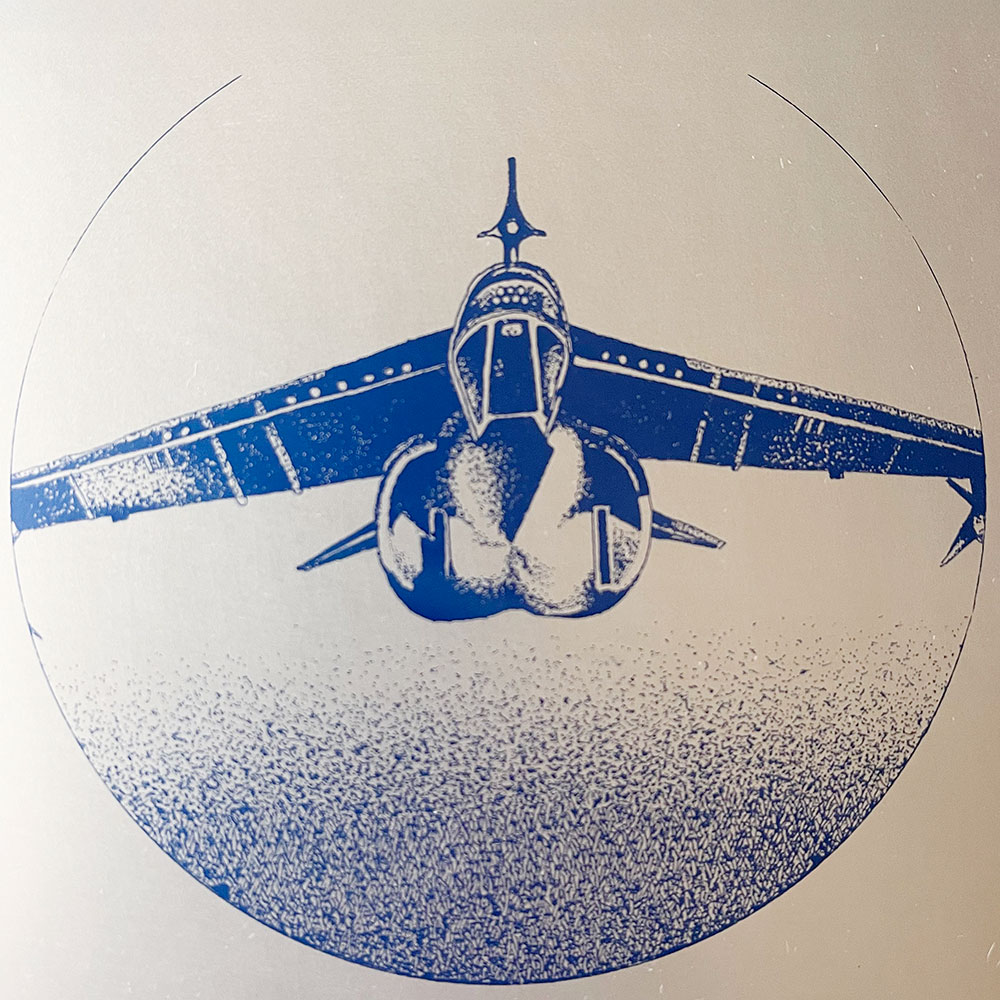
Célpont III. ▪ Target No. 3, 1981
papír, vegyes technika ▪ paper, mixed media ▪ 10×10 cm

Áldozat (részlet) ▪ Sacrifice (detail), 1984
papír, toll ▪ paper, pen ▪ 20×20 cm
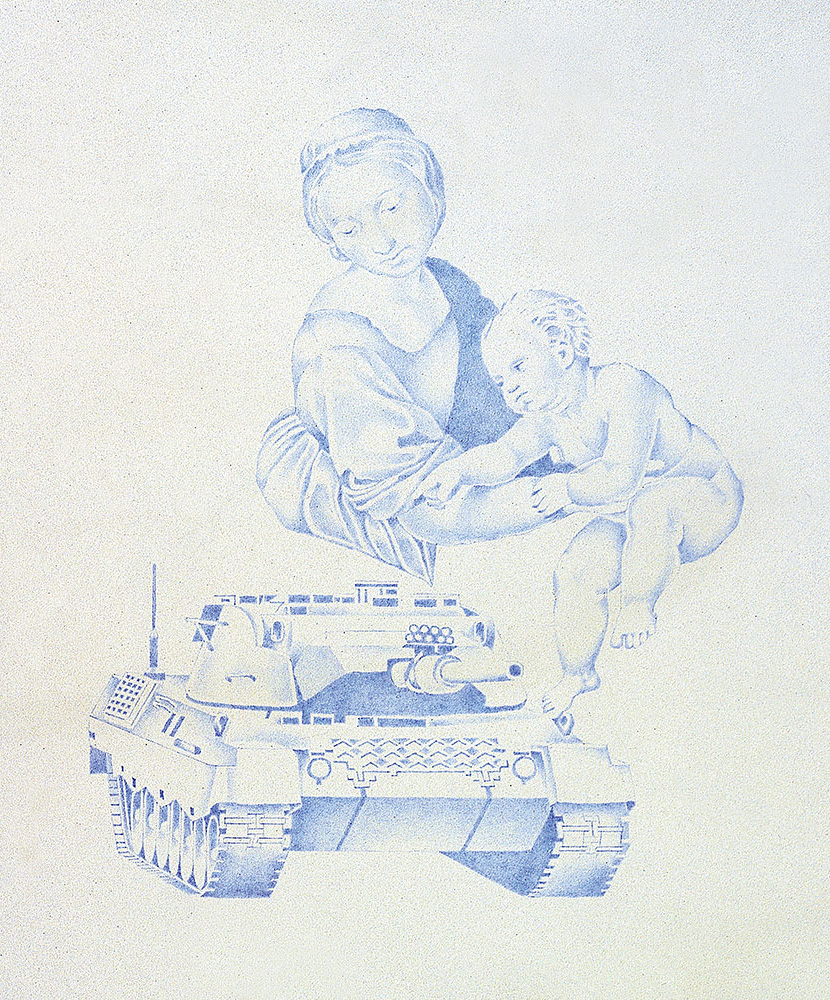
Raffaello parafrázis I. ▪ Raffaello Paraphrase No. 1, 1982
papír, színes ceruza ▪ paper, coloured pencil ▪ 29,5×21 cm
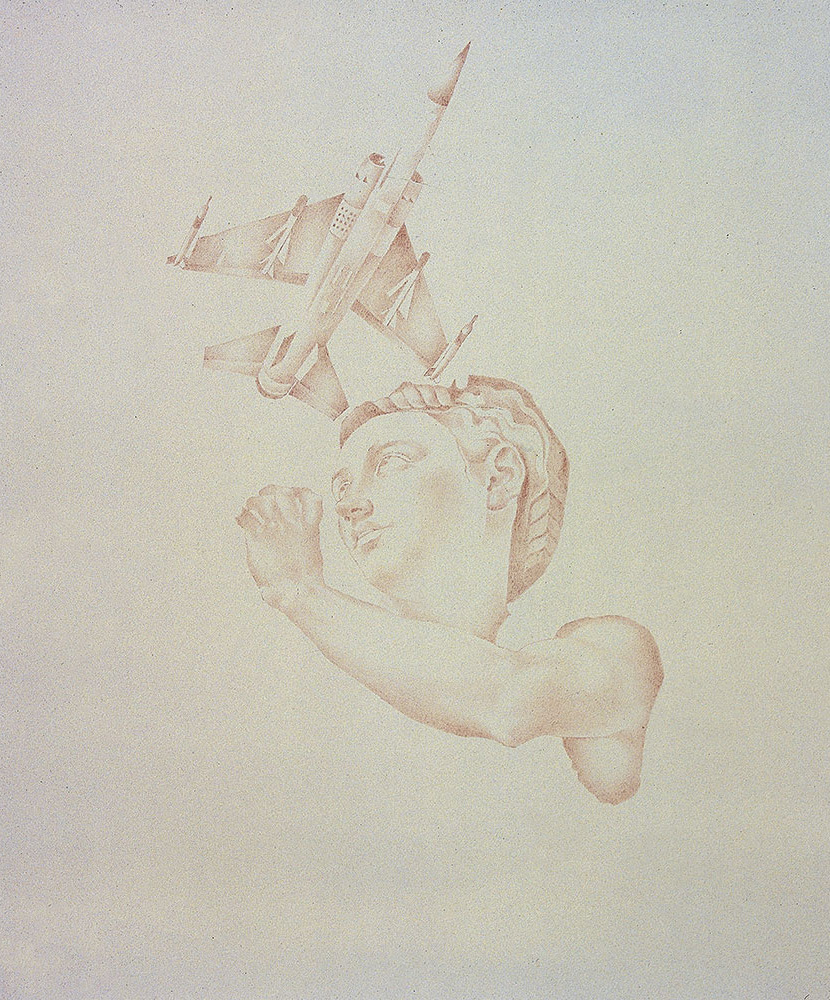
Michelangelo parafrázis III. ▪ Michelangelo Paraphrase No. 3, 1982
papír, színes ceruza ▪ paper, coloured pencil ▪ 29,5×21 cm
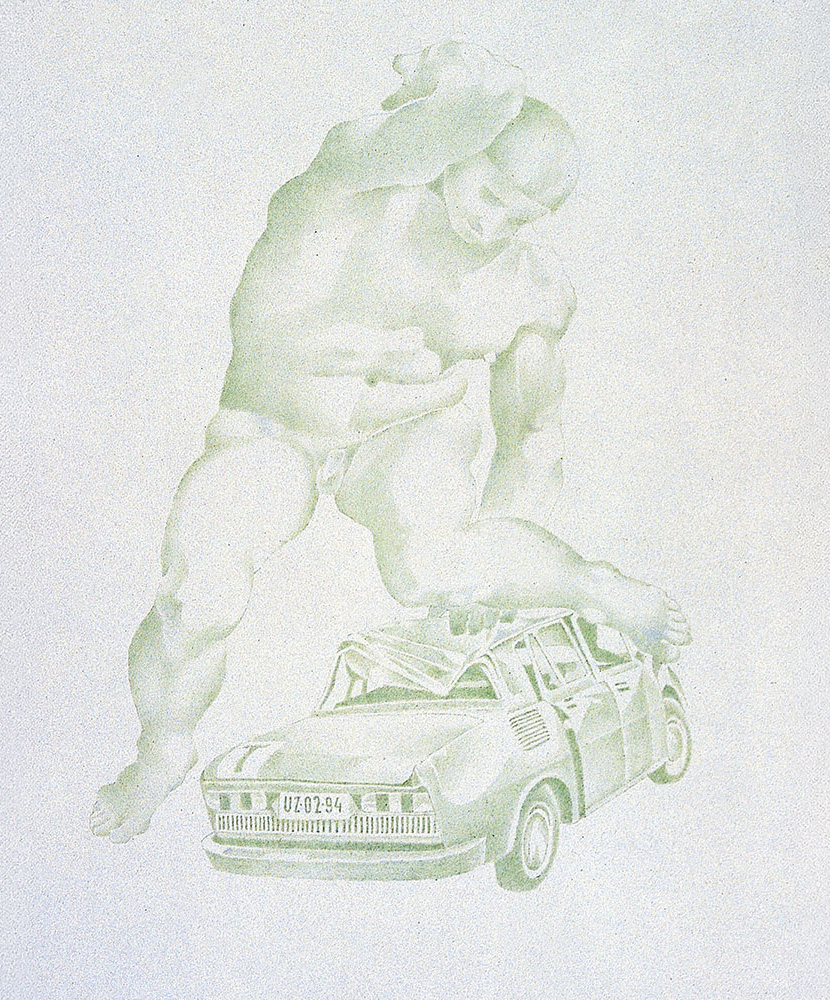
Michelangelo parafrázis I. ▪ Michelangelo Paraphrase No. 1, 1982
papír, színes ceruza ▪ paper, coloured pencil ▪ 29,5×21 cm